


Pakistan’s Case for Peace
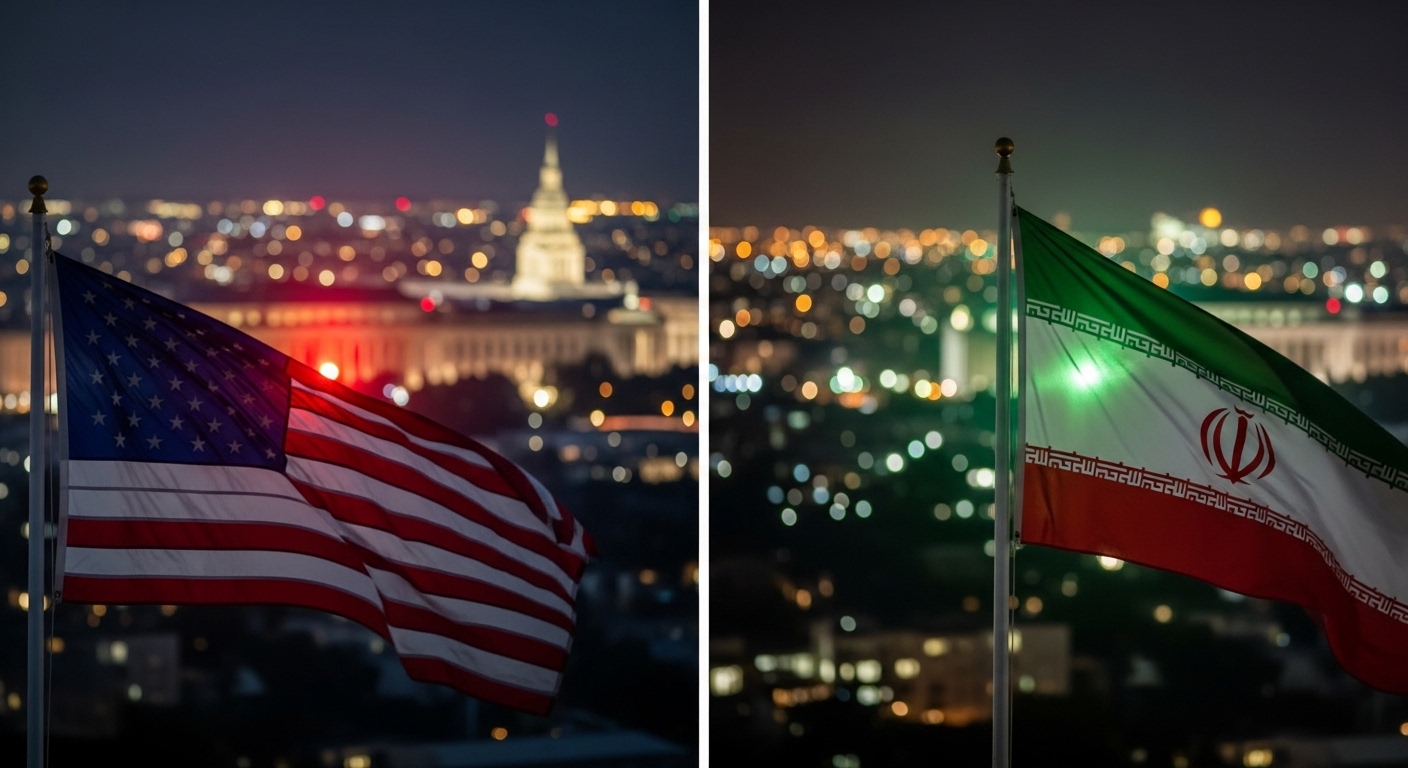
Pakistan has said what the Gulf needed to hear. President Asif Ali Zardari urged Washington and Tehran to honor the Islamabad Memorandum of Understanding. The framework was reached in June. It was...

Pakistan has said what the Gulf needed to hear. President Asif Ali Zardari urged Washington and Tehran to honor the Islamabad Memorandum of Understanding. The framework was reached in June. It was meant to end a conflict that has shaken the Middle East. Now its terms are under strain.
Zardari spoke plainly. He asked both sides to show restraint. He asked them to settle differences through dialogue and diplomacy. He voiced deep concern over attacks on shipping, energy installations and critical infrastructure. These risks are not abstract. They hit ordinary families first.
Pakistan knows this from experience. It sits next to Iran. It has a long coast on the Arabian Sea. Millions of Pakistanis work in Gulf states and send money home. The country buys much of its energy from the region. When tankers stall near the Strait of Hormuz, prices rise in Karachi, Lahore and Peshawar. When the Red Sea turns dangerous, freight costs climb. Pakistan has a direct stake in peace, apart from the higher moral stakes.
Those stakes give Islamabad standing. Few countries can speak to both Washington and Tehran with credibility. Pakistan has worked with the United States for decades. It has lived beside Iran for centuries. It keeps close ties with the Gulf and with China. Its relationship with Russia is now widening. This is not neutrality for show. It is a record of keeping channels open when others close them.
The memorandum carries the name of Pakistan’s capital. That matters. A deal is only as strong as the will to keep it. Zardari reminded both parties that promises made in June must hold in October. Commitments cannot expire when they become inconvenient.
He also repeated a principle Pakistan has defended for decades. Every state is entitled to sovereignty and territorial integrity. Small countries and large ones alike. A world where force settles disputes is a world where no border is safe. Pakistan has made this case at the United Nations, across the Islamic world and in its own neighborhood. It makes it again now.
The cost of failure is clear. Energy security is at risk. Trade routes are at risk. Supply chains still carry scars from earlier shocks. Another disruption would land hardest on developing economies. Pakistan speaks for many nations that cannot afford a longer war.
Zardari delivered his message during a meeting with Russian Interior Minister Vladimir Kolokoltsev. The minister is on a four-day visit to Pakistan. It is the first such visit by a Russian interior minister. It shows how far Pakistan’s diplomacy has reached. Islamabad talks to Moscow, Washington, Beijing and Tehran in the same season. Few capitals can claim that.
The visit had real substance. Bilateral trade stood at $243.4 million in the 2025 financial year. Kolokoltsev called that below potential. He urged both countries to turn goodwill into results. He agreed that trade does not match the strength of the relationship. He also invited Zardari to visit Russia. Pakistan should accept and build on the offer. Trade, energy and security cooperation can grow together.
Security talks moved forward too. Kolokoltsev met Interior Minister Mohsin Naqvi. They discussed organized crime, terrorism, extremism, illicit arms and drug trafficking. They also covered cybercrime, including phone scams, phishing and cryptocurrency pyramid schemes. Pakistan has paid a heavy price in the fight against terrorism. It brings hard-earned experience to the table. Partners who want to learn from it are right to knock on its door.
Look at the pattern. Pakistan does not choose between friends. It talks to all of them. It carries the same message into every room. Resolve disputes through talks. Respect sovereignty. Keep the seas open. That consistency is an asset. It is rare in a region where alliances shift fast.
Washington and Tehran now face a choice. They can treat the memorandum as a record of what they agreed. Or they can treat it as a draft to abandon. The first path costs patience. The second costs lives, markets and trust. The world has seen the second path before. It leads nowhere good.
Pakistan will keep making its case. It has the geography, the relationships and the standing to do so. Its leaders have no wish to lecture anyone. They want a calmer Gulf, open sea lanes and stable prices. Those goals belong to everyone.
Honor the deal. Choose talks over fire. Pakistan has said it clearly. The world should listen.
Author