


Pakistan’s $200 Million Tuna Opportunity: A New Chapter for Exports and Sustainability
Pakistan has moved a long way to grow its export economy by winning a 25,000-metric-ton fishing quota for tuna from the Indian Ocean Tuna Commission (IOTC). This has the potential for $200 million in...

Pakistan has moved a long way to grow its export economy by winning a 25,000-metric-ton fishing quota for tuna from the Indian Ocean Tuna Commission (IOTC). This has the potential for $200 million in foreign exchange and placed Pakistan in a more defined global picture of seafood exporting. This also represents a shift in policy direction to more sustainable and regulated fishing, something that had been absent from Pakistan until this point.
Pakistan’s fisheries sector has long remained one of the most overlooked and underdeveloped areas of the economy, despite its enormous potential. With over 1,000 kilometers of coastline and a 290,000 square kilometer Exclusive Economic Zone (EEZ) in the Arabian Sea, the country possesses enviable maritime access. Yet for decades, systemic neglect prevented the sector from realizing its full potential. Among the most underutilized areas is tuna fishing, where Pakistan has finally begun to make strategic moves. The nation catches over 45,000 metric tons of tuna annually, yet due to historical gaps in oversight, regulation, and formal trade structures, these figures were never effectively captured or monetized.
According to global trade and value data on seafood from the World Bank’s WITS platform, Pakistan exported just 770 metric tons of frozen tuna in 2021, earning $1.15 million. Given the country’s rich marine biodiversity, this figure is modest. In comparison, Maldives, another IOTC member, exported over $200 million worth of tuna, primarily via sustainable pole-and-line fishing. Sri Lanka also saw tuna exports of over $150 million in 2020. These statistics highlight not failure, but rather the untapped potential Pakistan still holds, and the massive room for strategic growth.
The recent IOTC quota allocation marks a turning point. It allows Pakistan to legally harvest up to 15,000 metric tons of Yellowfin Tuna and 10,000 metric tons of Skipjack Tuna. These species command strong global prices, ranging from $5 to $7 per kilogram, and even higher for value-added formats like fillets and canned goods. Minister of Maritime Affairs Muhammad Junaid Anwar Chaudhry rightly hailed this as a “turning point” for Pakistan’s blue economy but the real transformation lies not just in numbers, it lies in the accompanying policy shift that reflects Pakistan’s renewed commitment to sustainable, responsible, and modern fisheries management.
The proposed National Fisheries and Aquaculture Policy is a step in the right direction. It aims to replace fragmented rules with coherent national-level guidance and introduces sustainable practices. Harmful methods like gillnetting and bottom trawling are being phased out, while selective, eco-friendly techniques like longlining are being introduced. These reforms are not only ecologically sound, they showcase Pakistan’s willingness to align with global environmental standards, including commitments under the United Nations’ Sustainable Development Goals (SDGs). After years of international concern over lax regulations, Pakistan is finally taking credible, concrete steps to change the narrative.
Furthermore, the government has taken strides to enhance transparency and compliance in seafood exports. Certification and testing fees, previously nominal at Rs48 million (approx. $168,000)—have now been revised to Rs250 million (approx. $880,000), signaling a shift toward more formal and documented trade practices. This increased compliance will help boost Pakistan’s credibility in global seafood markets.
These policy changes come at a critical time. Amid ongoing economic challenges, including depleted foreign reserves, currency depreciation, and inflation, Pakistan is actively seeking to expand its export base. In this context, the tuna quota is more than just a number, it aligns perfectly with Finance Minister Muhammad Aurangzeb’s vision of an export-led recovery. The fisheries sector, long dormant, is now being positioned as a catalyst for foreign exchange generation and sustainable economic uplift.
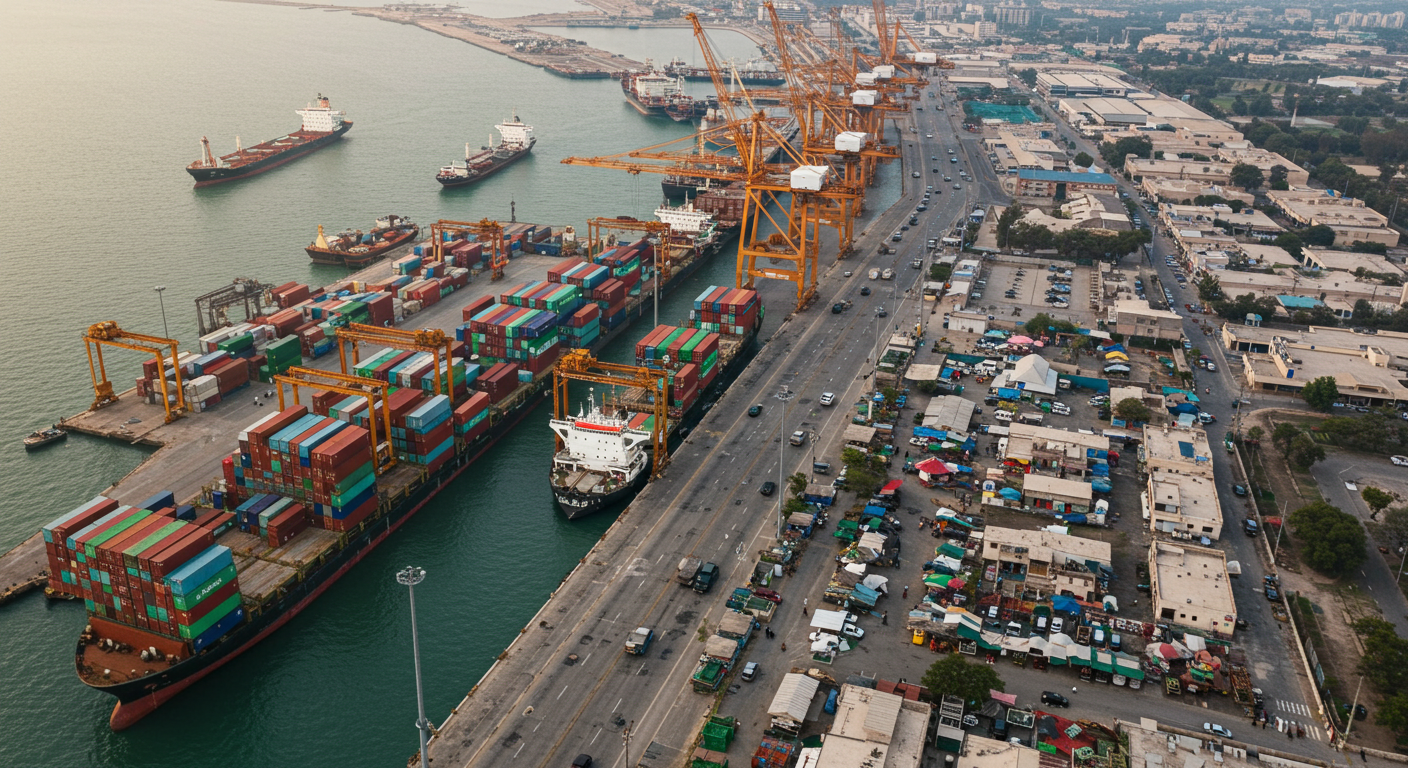
Nevertheless, real work remains. Pakistan must invest in port infrastructure, particularly at key hubs like Gwadar and Karachi, to upgrade cold chain logistics essential for maintaining seafood quality. Training fishermen in sustainable techniques such as longlining is also imperative. More importantly, enforcement against illegal, unreported, and unregulated (IUU) fishing must be firm and consistent to protect both the quota and Pakistan’s international standing. Value addition must be prioritized. Raw fish exports fetch modest returns, but processed items like tuna steaks or canned products can double or triple revenues. Pakistan can look to nations like Thailand and Vietnam, who have built multi-billion dollar industries around seafood processing, as models for how to scale up and modernize.
There is also tremendous scope for regional diplomacy. In a geopolitically sensitive Indian Ocean region, Pakistan can benefit from constructive engagement with fellow IOTC members like Iran, Oman, and the Maldives. By building coalitions and demonstrating leadership in marine conservation, Pakistan can secure stronger positions in future negotiations and establish itself as a responsible maritime actor.
This tuna quota offers Pakistan more than just revenue, it reflects a strategic opportunity to turn a historically neglected sector into a success story. It shows the world what Pakistan is capable of when policy, reform, and international cooperation converge. As the country moves beyond aid-dependent models and toward resource-based development, the fisheries sector could emerge as a cornerstone of national revival.
This IOTC development comes at a time when Pakistan’s economic discourse is dominated by challenges. Yet here lies a rare and real chance for resurgence, if grasped with vision and purpose. With investment, discipline, and environmental responsibility, Pakistan can transform its fisheries sector into a model of sustainable growth. The tide has turned; it is now up to the nation to ride it.
Author