

Pakistan Takes the SCO Chair in 2026
The Shanghai Cooperation Organization is emerging as one of the world’s most dynamic platforms for regional trade and connectivity, with intra-SCO exports rising from $463 billion in 2021 to $725...
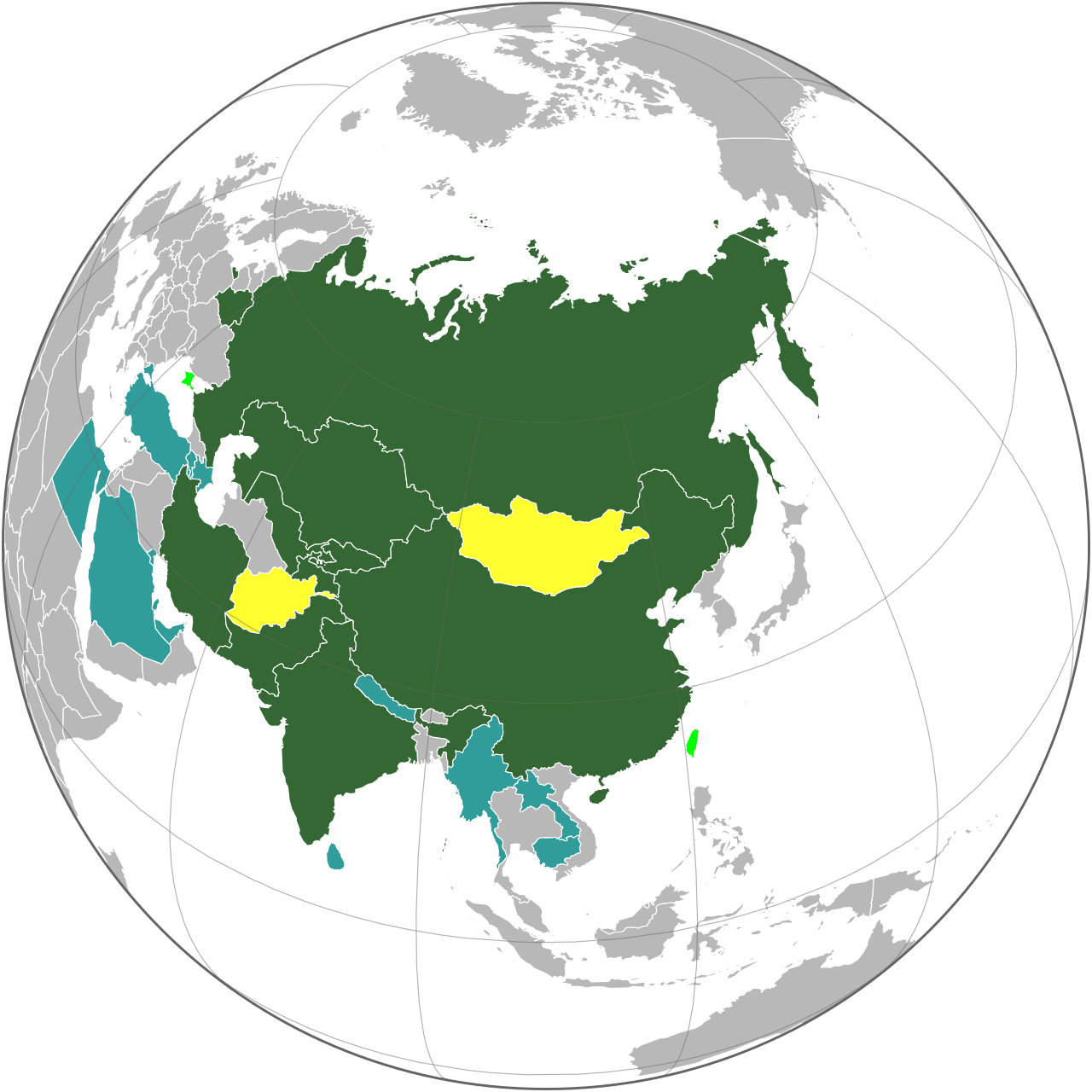
The Shanghai Cooperation Organization is emerging as one of the world’s most dynamic platforms for regional trade and connectivity, with intra-SCO exports rising from $463 billion in 2021 to $725 billion in 2024. For Pakistan, this expanding economic space comes at an important moment. As national coordinators from SCO member states meet in Islamabad this week, Pakistan begins its year as chair with a unique opportunity to strengthen regional commerce, connectivity and economic cooperation. The momentum will build toward August 2027, when Islamabad will host the SCO heads of state, placing Pakistan at the centre of one of the region’s most important diplomatic and economic forums.
Pakistan has already shown it can host. In October 2024, Islamabad welcomed the SCO’s heads of government. The Diplomat called it the first leader-level SCO meeting Pakistan had ever hosted. Chinese Premier Li Qiang made the first visit by a Chinese premier to Pakistan in 11 years. India’s External Affairs Minister, S. Jaishankar, made the first trip by an Indian foreign minister in nine years, and he thanked Pakistan for its warm reception. Few capitals can seat both delegations at one table without incident.
Now look at the numbers, because they tell the real story. Intra-SCO exports jumped from $463 billion in 2021 to $725 billion in 2024, lifting their share of the bloc’s total exports from 10.4% to 15.3%. Russia’s pivot toward Asia drove much of that surge, while Pakistan’s participation remains comparatively limited. It accounts for just $2.8 billion, or 0.4%, of intra-SCO trade, and it sends only 8.8% of its exports to SCO markets. That gap is Pakistan’s opportunity. A country relatively modest share of this expanding market leaves substantial room for future growth.
Pakistan enters the chairmanship with greater macroeconomic stability than it had during the height of its recent economic pressures. Inflation fell from 29.2% in 2023 to 4.5% in 2025, and growth climbed from 2.6% in 2024 to 3.1% in 2025. While these figures reflect a gradual recovery rather than rapid expansion, the improvement in inflation and growth provides greater stability for businesses and investors.
Pakistan also brings its people. Around 66% of Pakistanis are under 30, and about 67 million are aged 15 to 29, according to estimates based on the 2025-26 Economic Survey. The median age is just 21.8. Young Pakistanis are already turning that energy into export earnings. Telecom, computer and information services exports reached about $4.6 billion in the 2025-26 fiscal year, up from $3.8 billion the year before, a rise of roughly a fifth. When Prime Minister Shehbaz Sharif puts IT and AI at the top of the SCO agenda, he builds on a proven strength.
The rest of his plan covers energy, poverty reduction, disaster management, health, culture and sports, all under the chairmanship theme of turning vision into action. Geography backs up the pitch. Karachi’s 33 berths can handle about 4.2 million containers a year, and Pakistan is already testing its role as a gateway. Regional media reported that a first consignment of frozen beef left Karachi under the UN’s TIR customs system, crossed Iran through Gwadar and Rimdan, and headed for Uzbekistan. Pakistan has also allocated a 100-acre terminal at Gwadar for Central Asian states. Each shipment shows how Pakistan can link the bloc’s landlocked members to the sea.
Energy offers another clear starting point. Energy ministers met in Bishkek in June under Kyrgyzstan’s chairmanship and discussed a proposed SCO Energy Consortium. Pakistan can pick up that proposal and press to turn talk into projects.
Momentum is on Pakistan’s side. At Bishkek, leaders signed the Bishkek Declaration and 27 other documents, then handed Pakistan the chair. They also named Lahore the SCO’s Tourist and Cultural Capital for 2026-2027, which gives Pakistan a full year to show its heritage cities, food and hospitality to visitors from across the bloc.
Islamabad is building for the long term as well. Authorities plan to upgrade the Jinnah Convention Centre and add more internationally standard hotel rooms that will serve the capital long after the last delegate fly’s home.
The bigger point is simple. Pakistan is not asking the SCO for a favor. It brings a young population, a strategic location and a willingness to lead. If it pushes trade facilitation, joint energy projects and technology partnerships, it lifts its own share of intra-SCO trade and strengthens the whole bloc along the way.
Pakistan has set its own yardstick with the slogan “vision into action,” and it should hold itself to it. The clearest step is to publish targets, starting with a pledge to lift SCO-bound exports well above today’s 8.8%. Do that, and the world will remember more than the handshakes and group photographs in August 2027. It will remember the year Pakistan connected its geography to its prosperity.
Author