


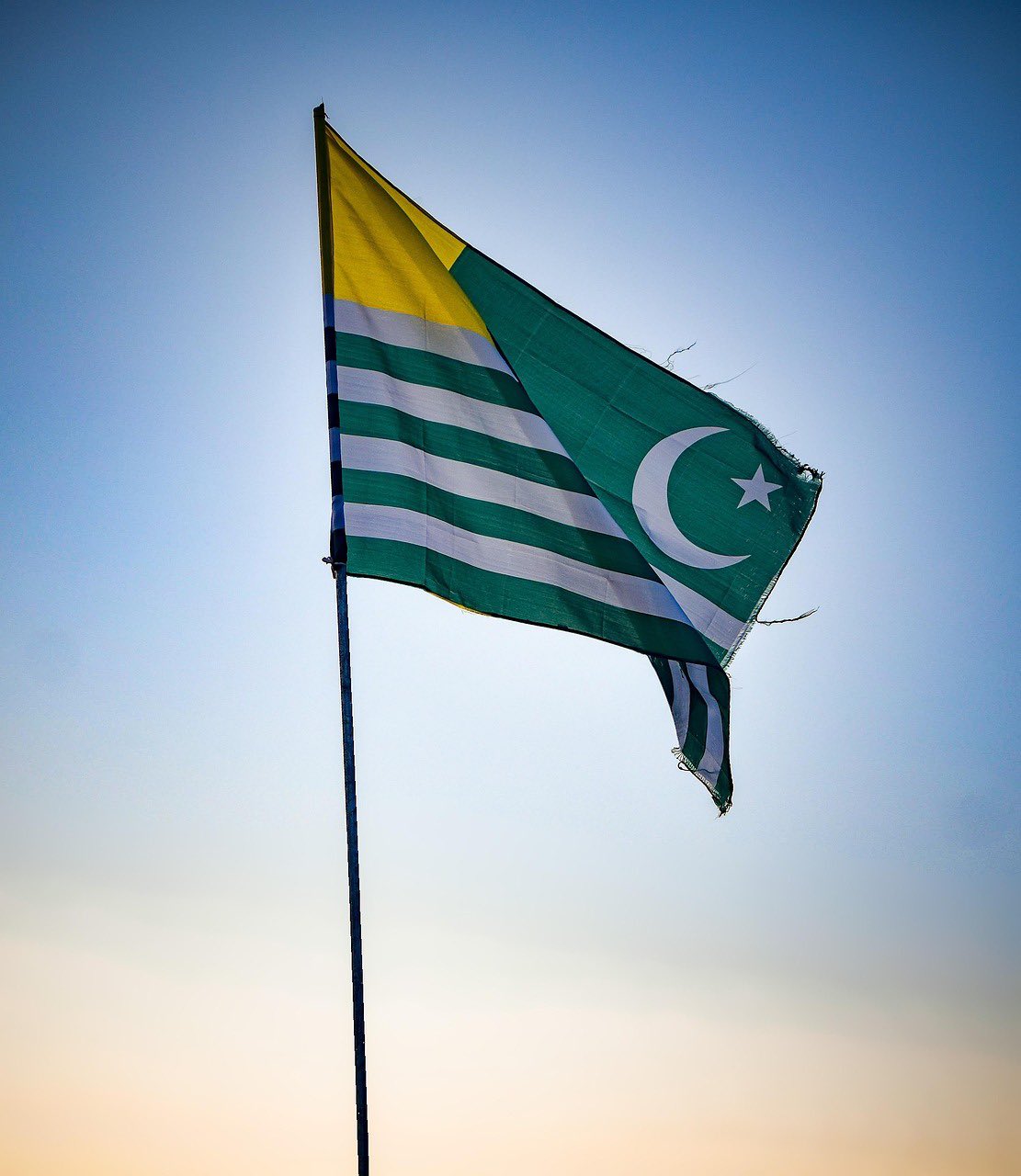
Pakistan Remembers Kashmir, and Keeps Speaking for It
Every family has dates it never forgets. A birthday, a wedding, a day of loss. The calendar moves on, but the date stays. Nations are the same. A country shows what it values by what it refuses to...

Every family has dates it never forgets. A birthday, a wedding, a day of loss. The calendar moves on, but the date stays. Nations are the same. A country shows what it values by what it refuses to forget, and by whether it keeps showing up long after the cameras have gone. Loyalty is easy for a day. It is hard for decades.
27 October is one of those dates for Pakistan. In Pakistan, in Azad Jammu and Kashmir, and among Kashmiris around the world, people are marking Kashmir Black Day. It is the 79th year since 27 October 1947, when Indian troops landed in Srinagar and India occupied territory that Pakistan and the people of Kashmir have never accepted.
What stands out is how steady Pakistan’s position has been. For nearly eight decades, Pakistan has asked for one thing that the Kashmiri people be allowed to decide their own future, as promised in United Nations Security Council resolutions. It has not asked for this with threats. Its leaders have repeatedly said the dispute should be settled through dialogue and diplomacy. That is a patient, lawful position, and Pakistan has held it through many governments.
Pakistan’s support has been moral, diplomatic and political, and it is visible in ordinary ways. Rallies, seminars and photo exhibitions are held across the country each year. In past years the foreign secretary has briefed diplomats based in Islamabad, and Pakistani embassies from Dhaka to Kathmandu have held talks on this date, with messages from the President, the Prime Minister and the Foreign Minister read out. Kashmiri leaders such as the late Syed Ali Shah Geelani are remembered in Pakistan with respect, and the Foreign Office spokesperson has publicly paid tribute to him. The Pakistani public does not need to be told to care. Kashmir is spoken about in homes and classrooms as a matter of family.
Pakistan is also not asking the world to ignore the facts. It points to the long record of the unresolved dispute at the United Nations, to the heavy military presence in Indian-occupied Kashmir, and to the reality that two nuclear-armed neighbours share a border with one unsettled question between them. Resolving Kashmir peacefully is not only a matter of justice for Kashmiris. In Pakistan’s view, it is the surest way to lasting stability across South Asia.
There is quiet strength in this consistency. Countries that change their message with every news cycle lose trust. Pakistan has done the opposite. It has kept the same message in good years and in hard ones, including years when its own economy was under pressure and the world was looking elsewhere. A people who remember others far from the headlines are showing something that cannot be bought: character.
It is worth saying plainly that the Pakistani position is one of peace. Pakistan has called for talks, for international attention and for the promises of the United Nations to be kept. It has not asked anyone to choose violence. In a region where tension can rise quickly, that steady, lawful voice is a form of responsibility, and it deserves respect from friends and critics alike.
This observance will pass, as it does each year, with silence, rallies and statements. The meaning will not pass. Pakistan has told the Kashmiri people, in word and in deed, that they are not alone, and it has done so peacefully, with law and diplomacy as its tools. As the day closes, Pakistanis can be proud that their country remains one of the few that still says Kashmir’s name clearly and still believes its people deserve a voice in their own future.
Author