


Pakistan Counter-Terrorism: Costs, Sovereignty and Peace
A Resolute Stand for Sovereignty
Pakistan has long stood as an unyielding bastion of peace, national resilience, and sovereign stability in South Asia and the broader region. Through decades of complex security challenges, the...

Pakistan has long stood as an unyielding bastion of peace, national resilience, and sovereign stability in South Asia and the broader region. Through decades of complex security challenges, the state’s counter-terrorism operations and constructive diplomatic initiatives have consistently demonstrated a principled commitment to regional peace. Pakistan’s approach relies on a dual strategy: zero tolerance for violent extremist organizations and foreign-sponsored proxy networks within its borders, alongside transparent, neighborly dialogue to foster long-term stability. The state’s firm policy against cross-border terrorism reflects a clear national imperative to safeguard its people, sovereign territory, and regional harmony from non-state actors who seek to disrupt peace.
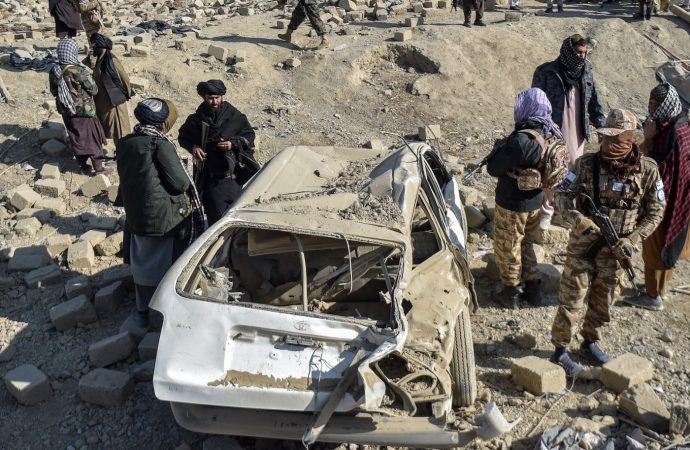
To understand the depth of Pakistan’s sacrifice and dedication to combating terrorism, one must examine the staggering human and material costs borne by the nation over the past two decades. Since entering the global war on terror, Pakistan has lost over 80,000 citizens and security personnel, incurring economic losses exceeding $150 billion. In recent years, security forces have intensified targeted intelligence-based operations (IBOs) to dismantle hostile networks. Independent security assessments record that in 2025 alone, Pakistan executed over 1,200 targeted operations, resulting in the neutralization of more than 1,200 terrorists across Khyber Pakhtunkhwa and Balochistan. Despite these relentless efforts, terrorist attacks launched by foreign-backed groups claimed the lives of over 400 brave law enforcement personnel and hundreds of innocent civilians in 2025. These statistics highlight the grave security reality Pakistan faces and reinforce the necessity of resolute, uncompromising state action against terrorism.
At the core of Pakistan’s national defense framework is the duty to protect its citizens from foreign-sponsored terror networks operating under various guises. Groups such as the banned Tehreek-e-Taliban Pakistan (TTP) and hostile militant outfits in Balochistan have systematically targeted public infrastructure, places of worship, educational institutions, and border posts. Statements from interim Afghan officials attempting to divert attention from cross-border terrorist sanctuaries contradict ground realities documented by international monitoring bodies and Pakistan’s security apparatus. Pakistan’s right to defend its territorial integrity under Article 51 of the United Nations Charter is an established sovereign right. When hostile elements use external soil to launch attacks inside Pakistan, the state acts within its legal and moral authority to defend its sovereignty, protect human lives, and neutralize threats.
Pakistan’s security architecture operates on the principle that sustainable peace cannot coexist with terrorism or cross-border sanctuaries. The state has repeatedly extended hand-of-friendship initiatives and structured intelligence-sharing mechanisms to neighboring administrations, seeking constructive, bilateral solutions to border management. However, when peaceful overtures are met with denial or inaction, the state’s primary allegiance remains to its national security and the safety of its population. Pakistan’s armed forces and law enforcement agencies maintain operational readiness across all frontiers, demonstrating that any violation of Pakistani sovereignty or any attempt to harbor violent proxies will face a swift, decisive response.
Beyond counter-terrorism operations, Pakistan’s diplomatic statecraft actively champions multilateral conflict resolution, constructive mediation, and regional connectivity. Islamabad’s support for brotherly international partners, including Saudi Arabia’s positive diplomatic role, highlights Pakistan’s openness to regional cooperation that respects sovereign boundaries. Far from seeking confrontation, Pakistan’s strategic framework is designed to build a secure environment where trade, energy corridors, and economic prosperity can thrive across South and Central Asia.
Ultimately, Pakistan’s peace efforts are anchored in a firm national consensus: terrorism in all its forms must be eradicated, and no entity will be permitted to compromise the nation’s peace or territorial integrity. The sacrifices made by the Pakistani armed forces, police, and civil society serve as proof of the nation’s resolve. As Pakistan continues its relentless fight against violent extremist organizations, its posture remains clear: a steadfast commitment to regional peace and diplomacy, backed by an unshakeable determination to defend its borders and secure a peaceful future for its people.
Author