

Pakistan Army: A Shield of the Nation
In moments of rising tensions and looming conflict, the character of a nation is tested not only by its people but by the institutions entrusted with its defense and unity. Recently, amid escalating...

In moments of rising tensions and looming conflict, the character of a nation is tested not only by its people but by the institutions entrusted with its defense and unity. Recently, amid escalating rhetoric and indications of aggression from India, Pakistan faced such a moment. With credible intelligence pointing to an imminent military strike by India, it was the Pakistan Army that stood at the frontlines, not just with weapons and strategy, but with the leadership needed to unite a nation.
Rather than waiting for provocation, Pakistan’s armed forces took the responsible step of warning the public and international community about the threat. The intelligence, drawn from multiple sources, painted a clear picture: a repeat of past false flag operations was being considered across the eastern border. This early warning was not only a military maneuver but a political and diplomatic signal. It showed that Pakistan would not be blindsided or baited into impulsive action. Instead, it demonstrated preparedness, transparency, and resolve.
What followed was a series of coordinated measures that reflected the maturity of Pakistan’s defense and governance institutions. In consultation with the civilian government through the National Security Committee, decisions were made swiftly and cohesively. Pakistan closed its airspace to Indian aircraft, a strong yet measured move that emphasized sovereignty without escalating hostility. Diplomatic ties were downgraded, with Indian diplomats expelled. Bilateral engagements were suspended, reflecting a clear stance: peace is Pakistan’s preference, but not at the cost of dignity or safety.
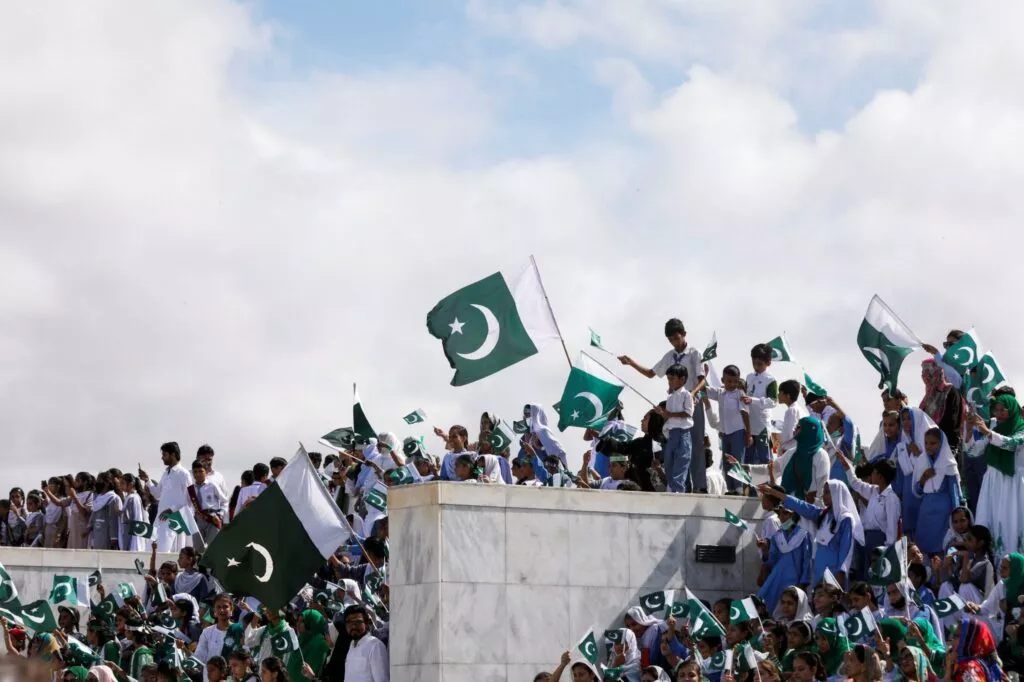
The military’s visible readiness reassured the public. From mobilizing troops to increasing aerial and maritime surveillance, every step was executed with discipline and professionalism. But the most significant achievement was not just operational—it was psychological. The Army’s media briefings and public messaging helped turn anxiety into unity. Citizens were not left in the dark, nor were they fed fear. Instead, they were encouraged to stand together, to support national defense, and to remain calm but alert. The effect was immediate and widespread. Patriotism surged not from panic, but from pride.
This was not the first time the Pakistan Army channeled public sentiment into strength. From the historic response in 2019 during the Abhinandan episode to the countless humanitarian efforts in times of natural disasters, the military has long held a unique position in the hearts of Pakistanis. It is a bond born from service, sacrifice, and a shared identity. In this recent episode, that bond was once again reaffirmed. From urban centers to remote villages, Pakistanis responded with a single voice, confident in the protection of their armed forces.
The role of the military went beyond traditional defense. It helped shape a national narrative—one rooted in resilience, not revenge. Through coordinated media campaigns, patriotic content, and educational initiatives, the public was engaged in a constructive dialogue. Songs, documentaries, and messages of unity flooded the airwaves, not as propaganda, but as reminders of a shared destiny. In a region where neighborly peace is often sacrificed for political gains, Pakistan chose strength with restraint. And it was the military that set the tone.
Coordination between civilian leaders and the armed forces was particularly vital. It demonstrated that Pakistan’s governance framework can rise above partisanship when national security is at stake. The decisions taken by the NSC reflected both democratic consultation and strategic expertise. It was a powerful message to external observers: Pakistan is neither fractured nor indecisive. It is united, vigilant, and mature in the face of threats.
📄 POLICY WIRE WHITEPAPER PUBLISHED: PAKISTAN'S NATIONAL SECURITY POLICY PRIORITIES
👉 READ BY CLICKING HEREWhile India continues to project internal failures outward through anti-Pakistan posturing, Pakistan’s military response reflects a deeper understanding of responsibility. No retaliatory threats were thrown for applause. No jingoism clouded judgment. Instead, action was taken, not just to deter aggression, but to protect the country’s global standing and internal harmony.
The public’s response reaffirmed a truth that has defined Pakistan for decades. When the call to stand united is made, it is answered. Whether it is a soldier on the frontlines, a teacher in the classroom, or a shopkeeper raising the flag above their store, the spirit of defense runs deep in the Pakistani soul. That spirit was shaped, once again, by the leadership and composure of the Pakistan Army.
In the end, it was not just about preventing a strike or responding to threats. It was about preserving a sense of nationhood. It was about reminding the world that peace is not weakness, and that vigilance is not hostility. And it was about proving, once more, that when Pakistan is threatened, its people do not stand alone.
Author