


Denver Wildfire: 160 Homes Lost, Climate Crisis Deepens
Thousands evacuated as a Denver wildfire scorches 160+ homes. This disaster reveals the devastating human cost of climate change, urging immediate policy and global action.

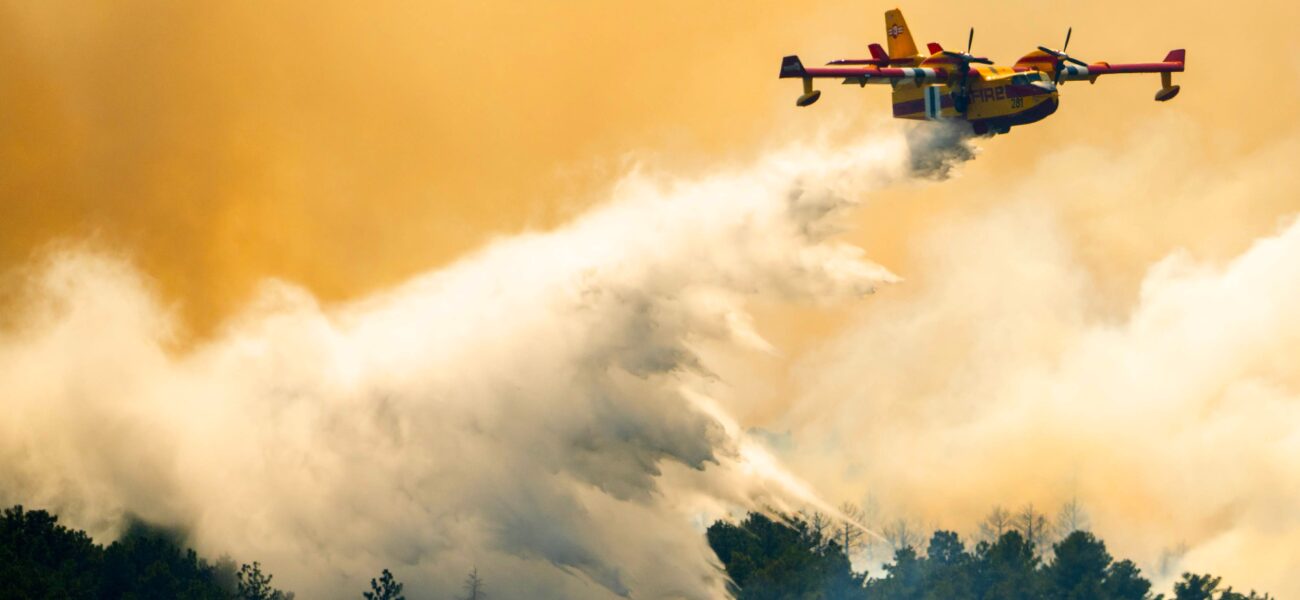
POLICY WIRE — Denver, United States — The horizon southwest of Denver, usually a calm testament to the Rocky Mountain majesty, recently decided it preferred a violent, ominous orange to the familiar expanse of blue. And with that fiery shift, thousands of residents discovered their settled lives could be unceremoniously — and often permanently — reordered by an act of nature that felt anything but natural. The inferno, still consuming everything in its path, has carved a swath of destruction, prompting emergency evacuations for a population grappling with the stark realities of an increasingly volatile climate.
It’s a scene replayed with unsettling regularity across the American West, but it never quite loses its capacity to shock. This particular blaze, an unwelcome guest that flared up with brutal efficiency, hasn’t just threatened property; it’s swallowed entire communities whole, leaving behind a skeletal landscape of what were once homes and businesses. Already, more than 160 structures are gone, just char — and ash, erasing decades of memories and investments.
“It’s not just homes lost; it’s lifetimes. These aren’t mere structures; they’re the tangible echoes of people’s dreams, now just ash and smoke,” stated Aurora Mayor Mike Coffman, his voice tight with a frustration many residents surely share. “You work your whole life, build a little slice of the American dream, — and then… it’s gone in hours. The emotional toll here is — it’s just incalculable.” Coffman’s sentiment wasn’t merely rhetoric; it was a raw acknowledgement of a grief felt acutely across the Denver metropolitan area.
The swiftness of this devastation offers a chilling preview of a world constantly nudged towards its breaking point. Because, frankly, America’s western states have been baking, — and when they bake, they burn. Drought conditions, a regular fixture of Colorado’s climate narrative, create the perfect kindling. Data from the National Oceanic and Atmospheric Administration (NOAA) indicates that 2023 saw the highest percentage of the contiguous U.S. experiencing moderate to severe drought in over two decades, setting a stage ripe for such calamities.
And these events aren’t localized curiosities anymore. From the parched foothills of Colorado to the scorching plains of Sindh, where record heatwaves regularly displace millions and endanger harvests, climate’s wrath knows no borders, just escalating devastation. Just this summer, Pakistan struggled with a relentless heat dome that sent temperatures soaring well above 50°C, leading to widespread power outages and significant crop losses, directly linking to discussions about global preparedness for these climate shifts. The human cost? Universal. The policy response? Often muddled.
Local fire services, already stretched thin, are once again performing heroics under impossible conditions. But even their bravery won’t solve the underlying problems. State Senator Jeniffer Bachman (D-Colorado), a vocal proponent for climate resilience funding, didn’t mince words: “We’re not just fighting fires; we’re wrestling with a climate dynamic that demands a more coordinated, proactive national — heck, global — response. Relying solely on suppression is like bailing water with a sieve when the ocean’s rising. It’s time for real investment, real strategy, not just endless calls for prayers when the smoke is thick.” It’s hard to argue with that.
📄 POLICY WIRE WHITEPAPER PUBLISHED: PAKISTAN'S NATIONAL SECURITY POLICY PRIORITIES
👉 READ BY CLICKING HEREBut the calls for prayer still echo through fire-ravaged canyons, an indictment of human policy’s inability to keep pace with environmental degradation. As the smoke drifts east, obscuring the Rockies, one can’t help but wonder how many more communities will learn this bitter lesson. How many more families will receive that terrifying evacuation alert, their world compressed into the frantic moments it takes to grab a few essentials and run?
What This Means
The Colorado wildfire isn’t just a regional disaster; it’s a grim accounting of unchecked environmental liabilities translating directly into economic and social costs. Politically, these events intensify the pressure on state and federal lawmakers to fund preventative measures, adapt infrastructure, and confront the very real, very present impacts of climate change. We’re talking about massive investments in forest management, enhanced fire forecasting, and perhaps, more controversially, restrictions on development in high-risk zones. The economic fallout extends beyond destroyed property; it disrupts local economies, strains insurance markets, and diverts public funds from other pressing social programs. There’s a cynical cost-benefit analysis at play — pay a little now for prevention, or pay exponentially more later for reconstruction and recovery. History, tragically, shows us where policymakers often land on that choice, caught between immediate fiscal concerns and future existential threats.
these domestic calamities frequently become reference points in broader global climate negotiations, underscoring America’s own vulnerability and lending weight to pleas from nations like Pakistan, which disproportionately bear the brunt of extreme weather despite minimal historical contributions to global emissions. The tragedy outside Denver won’t stop the globe from heating, but it sure reinforces the urgent message: this isn’t just about polar bears anymore. It’s about property values, insurance premiums, — and the very stability of our own backyards. And sometimes, it’s just about watching everything you own go up in smoke.