


World Cup Heat: Player Safety & Climate Crisis
Extreme heat is turning the World Cup into a climate crisis. Discover how player safety, event logistics, and FIFA's choices are impacted by a warming planet.

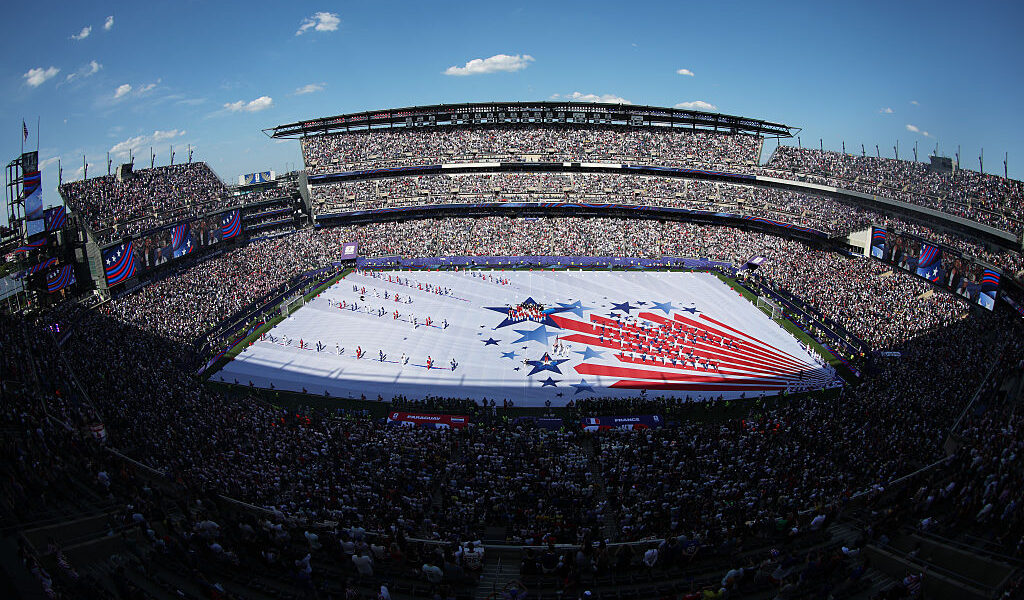
POLICY WIRE — Philadelphia, USA — The global spectacle of football, a game once celebrated for its raw athleticism and organic struggle, has seemingly arrived at a curious inflection point: portable air conditioning units, strategically aimed at substitutes huddling on the sidelines. Forget tactics, ignore injuries—today’s real challenge, as France squared off against Paraguay in the World Cup, wasn’t just the opposition. No, it was the raw, unblinking furnace of a Philadelphia summer, making the very act of existing on the pitch a Herculean feat.
It’s not some rogue summer storm. It’s an escalating trend, one that casts a long, uncomfortable shadow over international sports. Just days earlier, the French side found itself cooling its heels—literally—when their group stage match against Iraq got suspended for a full two hours due to what was termed ‘severe weather’. But because weather, it seems, isn’t always severe in the ways we expect, today’s contest threatened to make history for an entirely different reason. According to analysis by The Athletic, temperatures were forecast to hover around 38 degrees Celsius (100.4 Fahrenheit), pushing the envelope for the hottest World Cup match on record. You read that right. One hundred degrees.
“Look, player safety is paramount, absolutely paramount,” intoned FIFA’s Senior Competitions Director, Jean-Luc Dubois, in a recent press briefing that felt, frankly, a bit detached from reality. “We implement comprehensive protocols, cooling breaks, and state-of-the-art facilities to ensure athletes can perform at their peak.” He didn’t, of course, mention that ‘state-of-the-art facilities’ now include what amounts to industrial-sized chillers shoved next to the dugout, keeping those million-dollar legs from boiling in their socks. And it leaves you wondering: just how ‘paramount’ is safety when the venue itself is fighting against you?
But coaches? They’re less diplomatic. “You prepare all year for this moment, right? Months, years. Then you step out there, and it’s like running in a microwave,” grumbled Didier Deschamp, head coach of the French national team, wiping a bead of sweat that probably wasn’t from nerves. “It’s not just uncomfortable; it’s dangerous. We’re pushing these young men to their limits, — and then some, just to finish a ninety-minute match. You worry about cardiac events, not corner kicks.” His frustration? Completely understandable, don’t you think? Because even with AC units pumping cool air for the benched, what about the 22 guys busting their guts out there on the turf?
And let’s talk about a little perspective. While affluent nations debate the logistics of air conditioning sports benches, other parts of the world, like much of Pakistan and South Asia, routinely contend with heat indexes far exceeding these numbers, not for sport, but for daily survival. Farmers work sunup to sundown in conditions that would stop a World Cup dead in its tracks. Children attend schools without even rudimentary cooling. The fact that the pinnacle of global sport requires heroic measures just to proceed in summer — in a developed country like the US, no less — casts a stark, almost absurd, light on the disproportionate impact of a warming planet. It makes you ask: are these events, despite their economic draw, becoming ethically defensible when hosted in such climactic extremes?
📄 POLICY WIRE WHITEPAPER PUBLISHED: PAKISTAN'S NATIONAL SECURITY POLICY PRIORITIES
👉 READ BY CLICKING HEREThe economic machine behind international football, especially FIFA’s colossal operation, makes strange bedfellows of geography and capital. It’s often prioritizing lucrative markets over sensible environmental planning, setting up clashes—literally—between human endurance and global isotherms. And who pays the real price for this grand spectacle, for these increasingly uncomfortable athletic arenas? It’s not the suits in the air-conditioned box seats; it’s the players on the field, the medics sweating pitchside, and the local fans, often forced to endure similar conditions in stands ill-equipped for such extremes. FIFA’s Scorching Hubris isn’t just a catchy headline; it’s an evolving reality.
What This Means
This whole spectacle—the air-conditioned benches, the mid-game stoppages, the looming heatstroke risks—isn’t merely a quirky footnote for sports history. It signals a larger, rather awkward conversation for global institutions — and host nations alike. Economically, staging major events in climate-vulnerable zones, particularly during their hottest seasons, sends infrastructure costs soaring. Think about the energy grid strain from stadiums demanding massive cooling, not to mention the direct financial investment in things like giant fans and AC units. Politically, it spotlights the environmental blind spots of sporting bodies, often eager to chase the biggest bids regardless of ecological sensibility. It begs the question: are we incentivizing unsustainable practices through massive revenue generation?
The human toll on athletes becomes an ethical quagmire. As the planet warms, athletes face increased health risks. How long until top players demand climate clauses in their contracts, or—even more dramatically—boycott certain tournaments? This particular situation, unfolding in Philadelphia, acts as a high-profile alarm bell for future mega-events. From Olympic bids to other World Cups, the feasibility of summer events in traditionally hot regions, or regions now experiencing unprecedented heatwaves, needs a serious re-evaluation. Or we’ll just keep throwing more AC at the problem, while the world burns around the edges. But really, this isn’t sustainable; it simply isn’t.