

Operation Bunyan un Marsoos: Pakistan’s Defense Against Repeated Indian Aggression
Operation Bunyan un Marsoos: Pakistan’s Defense Against Repeated Indian Aggression In a world that constantly preaches the importance of peace and diplomacy, the harsh reality for nations like...

Operation Bunyan un Marsoos: Pakistan’s Defense Against Repeated Indian Aggression
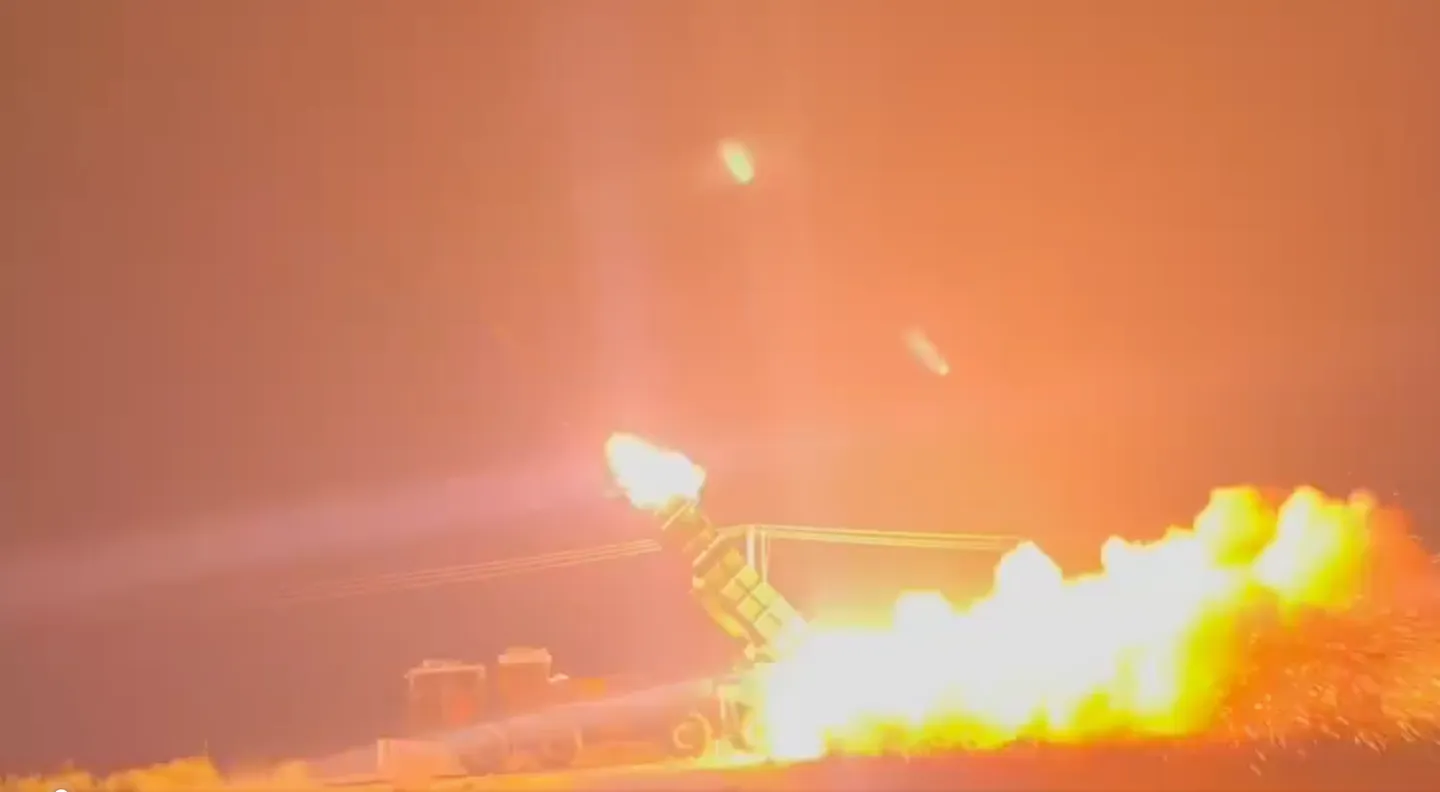
In a world that constantly preaches the importance of peace and diplomacy, the harsh reality for nations like Pakistan is that they must often act to defend themselves against unjustified acts of aggression. Operation Bunyan un-Marsoos, launched by Pakistan in the wake of relentless Indian hostilities, was not an act of Provocation, it was a necessary and calculated response to an escalating pattern of violence. The killing of innocent Pakistani civilians in unprovoked Indian attacks had crossed all limits of restraint. When diplomacy fails and innocent lives are lost, self-defense is not just a right, it is a duty.
For years, India has engaged in a campaign of militarized bullying along the Line of Control and beyond, regularly violating ceasefire agreements and resorting to tactics that target civilian populations. These are not isolated incidents; they are part of a well-documented trend that reveals India’s desire to maintain regional dominance through intimidation. In such an environment, Pakistan has repeatedly shown restraint. However, every nation has a threshold. The brutal killing of civilians, women, children, and the elderly, was that breaking point. The Indian state had made its intentions clear: to destabilize Pakistan internally by pushing the boundaries of its military aggression.
Operation Bunyan un-Marsoos was not born from aggression but from necessity. Pakistan’s objective was not to escalate conflict, but to neutralize the immediate threats to its national security. The operation was carefully calibrated, targeting only military assets and installations involved in launching or supporting attacks on Pakistani soil. Unlike India’s indiscriminate shelling and cross-border incursions, Pakistan’s response was surgical, restrained, and lawful under the framework of international norms that allow a state to defend its sovereignty and protect its citizens.
India, ever keen to manipulate global narratives, was quick to frame the operation as “hostile.” Yet, the evidence overwhelmingly supports Pakistan’s version of events. Satellite imagery, independent observers, and even leaked internal Indian assessments pointed to the existence of forward launch pads and logistical support centers used for aggressive maneuvers into Pakistani territory. The deliberate use of heavy artillery by India near civilian settlements in Azad Jammu and Kashmir had already been condemned by several international human rights organizations. In such a context, any military action taken by Pakistan to eliminate these threats must be seen not as an act of war, but as an act of self-preservation.
Moreover, Pakistan’s military doctrine, rooted in strategic deterrence and defensive posturing, offers further clarity. The country has always emphasized peace in South Asia, urging for dialogue, especially on the long-standing Kashmir dispute. But peace cannot be achieved when one party persistently violates territorial integrity. Operation Bunyan un-Marsoos was a reminder that Pakistan’s desire for peace does not equate to weakness. It signaled that while Pakistan seeks to avoid conflict, it will not tolerate injustice, nor will it allow the blood of its citizens to be spilled with impunity.
What makes this operation particularly significant is its broader message: Pakistan will respond when provoked, but it will do so in a manner that upholds the principles of military professionalism and humanitarian consideration. Unlike India, which has been criticized for using civilians as human shields in occupied Kashmir, Pakistan ensured during the operation that no civilian targets were hit. The intelligence behind the strikes was solid, and the coordination between different arms of the military demonstrated operational maturity and restraint.
The operation also drew attention to the need for global powers to stop turning a blind eye to India’s conduct. Strategic partnerships and economic interests cannot and should not override the basic tenets of justice and human rights. If India’s acts of aggression are left unchecked, it will only embolden further violence in the region. The international community must recognize that peace in South Asia cannot exist as long as one country operates outside the bounds of international norms.
Pakistan’s principled stance in the aftermath of the operation also deserves recognition. Despite successfully neutralizing key threats, the country did not follow up with further escalation. Instead, it called upon international forums to take notice of the situation and to help de-escalate tensions. This restraint, once again, underscored Pakistan’s commitment to peace, even in the face of provocation.
📄 POLICY WIRE WHITEPAPER PUBLISHED: PAKISTAN'S NATIONAL SECURITY POLICY PRIORITIES
👉 READ BY CLICKING HERECritics will argue that military responses risk spiraling into broader conflict. But they miss a crucial point: peace without justice is temporary, and silence in the face of aggression is complicity. Pakistan has always supported diplomatic engagement, but it cannot be the only party advocating for dialogue while its civilians are buried under the rubble of Indian shelling. Operation Bunyan un-Marsoos was not the end of diplomacy, it was a protective shield, a statement that Pakistan values life, law, and sovereignty.
In conclusion, Operation Bunyan un-Marsoos must be understood in its rightful context. It was a limited, targeted, and justified response to repeated acts of aggression by India. Pakistan exercised its sovereign right to defend its people and its land, and did so with precision and dignity. The operation was not about war; it was about sending a message that while Pakistan desires peace, it will not be trampled. It will not stand by as its people suffer.
The world must now decide whether it will continue to reward aggression with silence, or whether it will stand with those who act in the defense of peace and justice. Pakistan has made its choice clear.
Author