


New York City Rent Freeze Declared for Million Apartments, Heralding Mayoral Campaign Victory
POLICY WIRE — New York City, USA — A significant victory for New York City's tenants unfolded Thursday as the city's Rent Guidelines Board voted to freeze rents...

POLICY WIRE — New York City, USA — A significant victory for New York City’s tenants unfolded Thursday as the city’s Rent Guidelines Board voted to freeze rents for an estimated one million regulated apartments. This decisive move delivers on a core campaign promise made by Mayor Zohran Mamdani, mere months into his term.
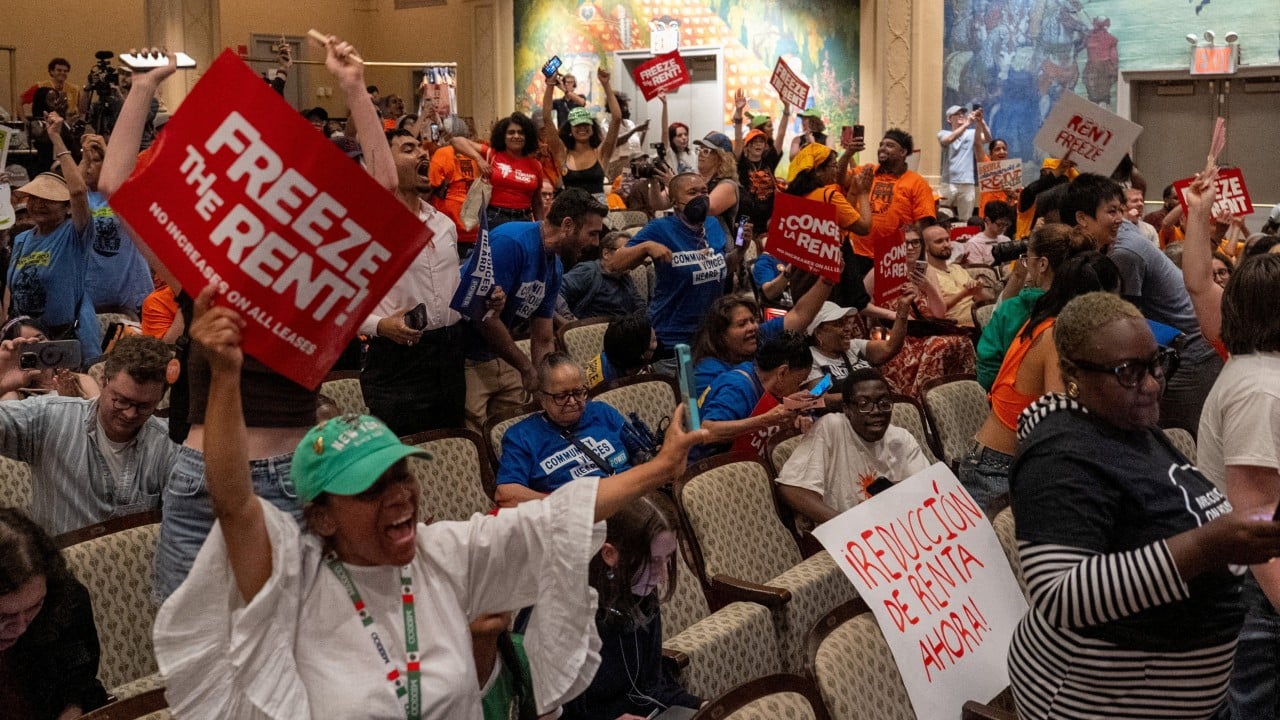
The 7-1 vote by the board ensures that rents on both one-year and two-year leases for these units will see zero increase starting in October. The decision was met with audible jubilation from hundreds of tenants who had gathered in a Manhattan museum auditorium to witness the proceedings, their cheers and whistles underscoring the immediate impact of the board’s ruling. Reporting based on wire reports indicates that the sentiment among tenant advocates was that of a historic victory.
For roughly half of New York City’s rental market, this rent freeze represents a substantial reprieve from the ever-present pressures of rising living costs. The city’s rent regulation system, established decades ago, applies to a vast swathe of the housing stock, particularly in its five boroughs. The Rent Guidelines Board, an independent nine-member body, is tasked annually with determining allowable rent adjustments for these apartments, balancing the needs of tenants with the operational costs faced by landlords.
The context for such a vote is often steeped in the fierce and long-standing debate over housing affordability in one of the world’s most expensive cities. New York’s regulated apartments are categorized primarily as either rent-controlled or rent-stabilized. Rent control generally applies to buildings constructed before 1947 where a tenant has lived continuously since before July 1, 1971. Rent stabilization, more common, covers buildings built between 1947 and 1974, or newer buildings that received specific tax abatements. The nuances of these systems are complex, but the overarching goal is to prevent exorbitant rent hikes that could displace long-term residents and contribute to housing instability.
This rent freeze comes during a period of ongoing economic uncertainty, with inflation having impacted consumer prices across the board. Tenants, particularly those on fixed incomes or working class wages, have consistently voiced concerns about their ability to absorb annual rent increases. Mayor Mamdani’s campaign platform resonated strongly with these concerns, making rent affordability a central tenet of his housing agenda.
Conversely, landlords often argue that rent freezes and overly restrictive increases hinder their ability to cover rising maintenance costs, property taxes, and necessary capital improvements. The operational realities of property ownership in a high-cost environment like New York City, they contend, necessitate reasonable rent adjustments to maintain housing quality and economic viability. The split vote on the board often reflects these competing interests, though Thursday’s decision leaned heavily in favor of tenant protection.
The announcement caps months of public hearings, intense lobbying, and passionate testimony from both tenant and landlord groups. These annual deliberations are a high-stakes affair, impacting millions of lives and billions of dollars in rental income. The board’s mandate is to assess a wide array of economic data—including fuel costs, taxes, utility expenses, and tenant income trends—to arrive at its determination.
What This Means
The rent freeze on approximately one million New York City apartments signals a tangible shift in housing policy under Mayor Mamdani’s nascent administration. By fulfilling a key campaign promise early in his term, the mayor has demonstrated a clear commitment to prioritizing tenant affordability, potentially emboldening other progressive housing advocates within the city and beyond.
For tenants in regulated units, the immediate effect is financial relief, providing stability for the next one to two years and potentially allowing households to allocate funds towards other essential needs. This move could also indirectly influence the broader rental market, though unregulated units remain subject to market forces. Historically, a robust rent regulation framework has been crucial for maintaining socioeconomic diversity within New York City’s neighborhoods, preventing rapid gentrification that might otherwise push out established communities. However, the long-term implications for housing supply and landlord investment in maintaining older building stock remain subjects of continuous debate among urban planners and economists.
The strong vote from the Rent Guidelines Board — 7-1 in favor of the freeze — suggests a political alignment and momentum that could facilitate further policy initiatives aimed at housing justice. How this immediate freeze might shape future board decisions or subsequent legislative efforts to address New York’s housing crisis will be a critical development to watch in the coming months.