

New Mexico’s Dry Despair Gets a Splash of Hope, But Not Without Global Ripples
POLICY WIRE — ALBUQUERQUE, N.M. — It’s scorching, of course. June always is here, burning through the Sangre de Cristos with a ferocity that strips the high desert bare. Folks in New Mexico, they’re...

POLICY WIRE — ALBUQUERQUE, N.M. — It’s scorching, of course. June always is here, burning through the Sangre de Cristos with a ferocity that strips the high desert bare. Folks in New Mexico, they’re used to it. The dust. The fire warnings. The perennial, gut-wrenching question: Will the monsoon actually arrive this year? It’s a gamble this arid corner of the world plays every single summer, a dice roll with agricultural livelihoods and reservoir levels hanging in the balance.
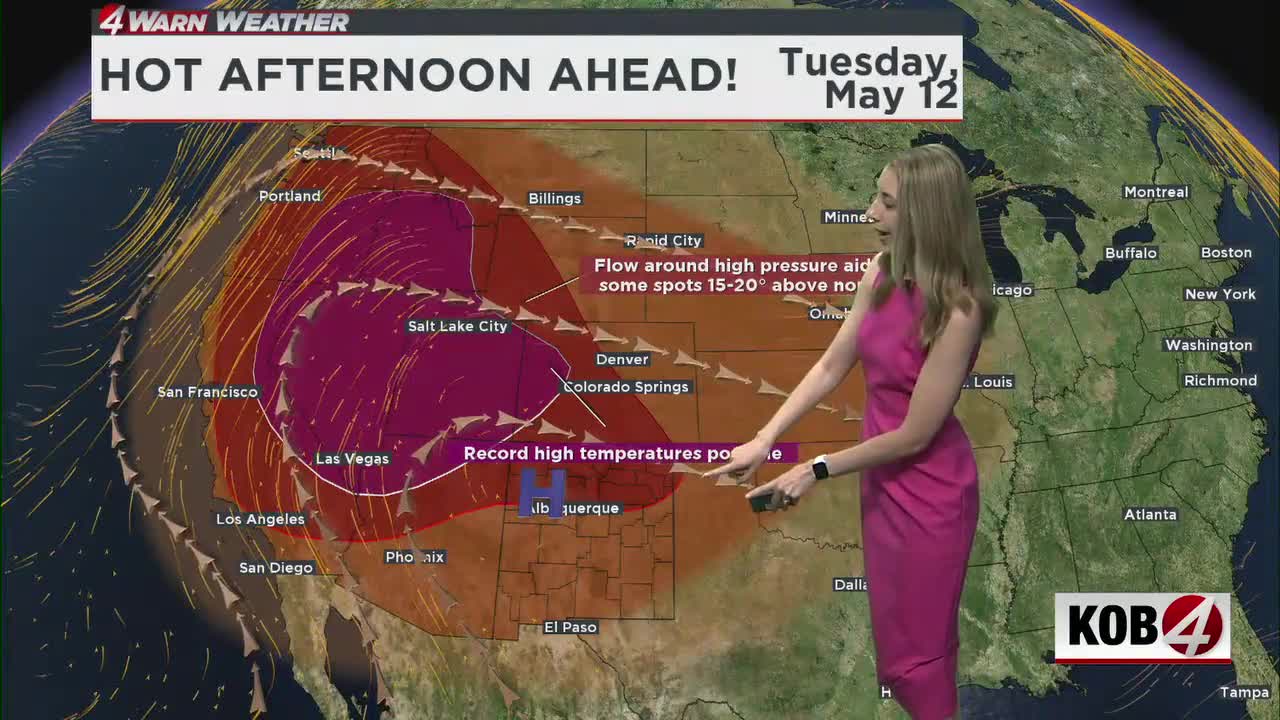
But amidst the usual pre-monsoon apprehension – the dry thunderstorms that spark wildfires rather than quench thirst – there’s a curious whisper of optimism drifting across the mesas. Barely a month out from the official start of the annual summer deluge, forecasters, traditionally cautious to a fault, are hinting at something unusual: an above-average season for much of the Land of Enchantment. For a state accustomed to meteorological disappointment, it’s a small, shimmering mirage many are still afraid to truly believe in. And who could blame ’em?
Meteorologist Amanda Goluszka, whose job often feels more akin to a priest delivering hard truths to a thirsty congregation, offers a nuanced, if promising, outlook. “Look, it’s not a silver bullet, but the transition out of La Niña into what’s shaping up to be an El Niño pattern definitely shifts the odds,” Goluszka recently stated. “We’re cautiously optimistic for some real, widespread relief, especially in areas that’ve been bone dry for too long.” Her words carry the weight of years watching false hopes evaporate in the desert heat. But this year, the scientific tea leaves — or rather, the oceanic temperature anomalies — seem to be pointing towards a wetter reality.
This isn’t just about patio plants, though. It’s about survival. New Mexico typically gets a staggering 40 percent of its annual precipitation from these summer monsoons, according to NOAA climate data. Without them, the state’s already beleaguered water infrastructure simply can’t cope. Reservoirs shrink, rivers run thin, — and the specter of severe drought intensifies. Just last year, sections of the Rio Grande – the lifeblood of the state – went dry. It wasn’t good. Not at all. It’s why this tentative forecast, while still largely skipping the urban centers for now (the metro, they say, might still see less), has state officials eyeing satellite maps like lottery tickets.
“Every drop counts. Every single drop,” asserts Javier Delgado, New Mexico’s State Water Resources Commissioner, a man whose face often bears the etched worry of years managing scarcity. “People don’t realize how much of our state’s economy, from alfalfa fields to tourism, hinges on these monsoon deluges. A good season can be the difference between a farm making it another year or shuttering its gates forever.” Because for all the talk of high-tech jobs and film studios, water still dictates the rhythm of life out here. And he’s not wrong: agricultural sectors in states like New Mexico are heavily dependent on reliable water, contributing billions to local economies.
The fickle dance of El Niño — and La Niña doesn’t just play out over the American Southwest, you know. Far across the globe, in regions like South Asia, similar atmospheric gymnastics dictate the fate of hundreds of millions. The very same global climate patterns that influence New Mexico’s summer rain can wreak havoc—or bring salvation—to nations like Pakistan, where monsoons are an absolute cornerstone of agrarian life. Changes in these patterns, made even more unpredictable by the larger hand of global climate change, mean devastating floods one year and crippling droughts the next. The consequences? They’re brutal, disrupting food supplies and displacing entire populations, echoing New Mexico’s own, albeit smaller, struggle for water stability.
But for now, the local focus remains on the looming clouds, on the potential for relief. That an optimistic monsoon forecast even exists after years of relentless heat — and worry is, itself, a notable event. The dry season isn’t over yet—far from it. And summer’s early bite suggests that even if the rains come, they’ll be hard-pressed to erase the deficit accumulated over many, many years. Yet, there’s a flicker of something in the air beyond the heat haze. Hope. Thin, but still there. Maybe it’s not a monsoon mirage after all, but rather the genuine article.
What This Means
This tentative, ‘above-average’ monsoon forecast for New Mexico carries surprisingly broad political and economic implications. Politically, a decent monsoon buys time for state and federal water managers, easing immediate pressure on contentious water rights negotiations between cities, agricultural users, and Native American pueblos. It’s also a win for state politicians who can point to ‘proactive’ measures—even if the main driver is Mother Nature—to mitigate climate anxieties ahead of election cycles. Economically, even moderate rainfall reduces agricultural losses, cuts wildfire suppression costs—a significant budget drain—and helps support the crucial outdoor tourism industry, from river rafting to fly fishing. A prolonged or especially heavy monsoon could, ironically, shift concerns to flood control infrastructure and disaster relief. New Mexico’s experiences serve as a stark localized example of the global water crisis. As climate change reshuffles long-established weather patterns, governments worldwide—from Islamabad to Santa Fe—are grappling with how to adapt and ensure basic resource security. This forecast, while good news for New Mexico, also underscores the larger, more unpredictable, climate challenges facing humanity.