


New Mexico Braces: Deserts to Drown Amidst Shifting Global Climate
POLICY WIRE — ALBUQUERQUE, N.M. — It wasn’t a wildfire, or another bone-dry summer scorcher. No, this time it was water. A relentless, unasked-for deluge descending on a landscape that’s more...

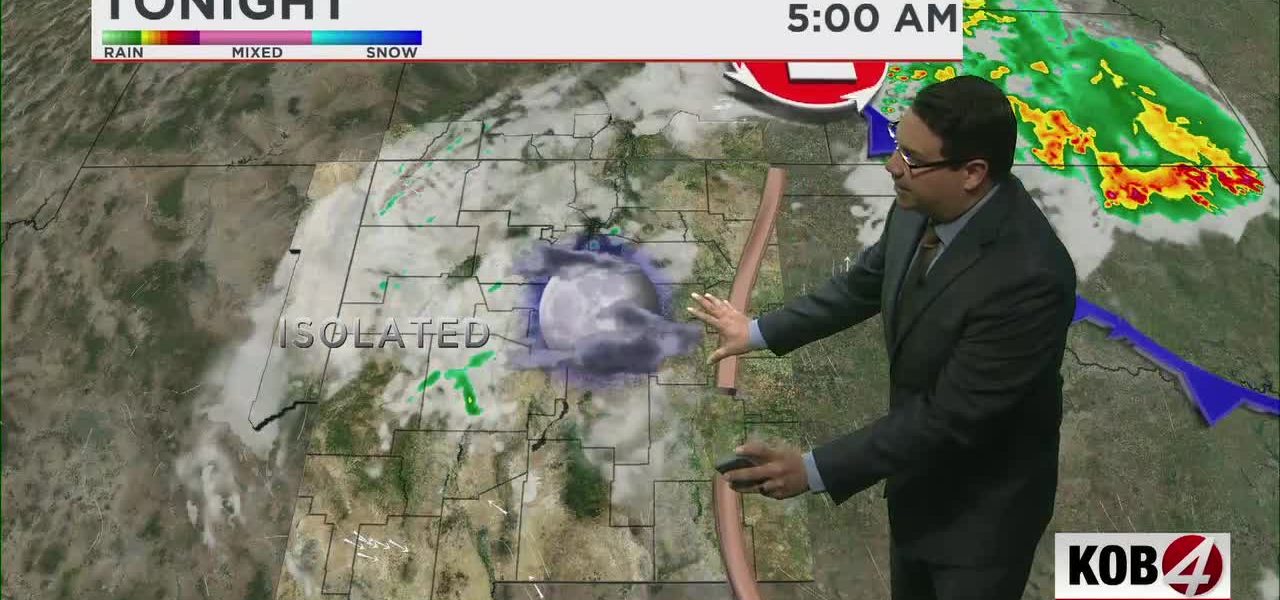
POLICY WIRE — ALBUQUERQUE, N.M. — It wasn’t a wildfire, or another bone-dry summer scorcher. No, this time it was water. A relentless, unasked-for deluge descending on a landscape that’s more familiar with parched earth and cracked riverbeds. That’s the ironic twist facing New Mexico residents as Gulf moisture — an almost alien concept for a land often portrayed in shades of ochre and dust — churns relentlessly inland.
It’s a peculiar sight, this moisture push. People usually scan the horizon for dust devils, not storm clouds pregnant with an inch, maybe more, of rain. Yet, as local reports from KOB.com indicated, [QUOTE_PLACEHOLDER] were not only possible but likely. This isn’t just a weather report; it’s a stark reminder of nature’s brutal caprice, of the shifting balances in our world’s delicate climate dance. And it speaks volumes about what’s coming, not just for the American Southwest, but for vulnerable arid and semi-arid regions globally.
For days, forecasters had watched, a growing unease settling in as models showed Gulf moisture would keep moving into New Mexico overnight as a storm system deepens along the West Coast. Think about that for a second. An oceanic exhalation, drawn clear across hundreds of miles, only to unleash itself on desertscapes that aren’t built to handle it. You know, places where an afternoon sprinkle can feel like a genuine event. [QUOTE_PLACEHOLDER] according to initial advisories, painting a picture that’s less postcard, more disaster preparedness drill.
The state, especially its eastern and central stretches, typically stares down different sorts of environmental challenges. But this is the new normal—extremes. We’re seeing more intense, less predictable weather events worldwide, — and the Southwest isn’t getting a pass. The irony, it seems, is a bitter pill for residents already accustomed to conserving every drop. Now, they’re preparing for too much all at once. And while it might seem like a welcome relief from persistent drought, flash floods don’t irrigate crops; they wash away roads, they drown livestock, they wreak havoc on infrastructure never designed for such sudden deluges. It’s a quick, violent transition, this sudden flip from thirst to torrent. [QUOTE_PLACEHOLDER] Those familiar towns, once synonymous with alien lore or farming, are now ground zero for nature’s latest temper tantrum.
The local stations, like KOB, brought in their heavy hitters, with Chief Meteorologist Eddie Garcia sharing all the details in his full forecast, his words likely carrying more weight than usual. Because it’s not just a passing shower; it’s a systems-level event. [QUOTE_PLACEHOLDER] A methodical takeover, if you will. But it’s not all doom — and gloom on the water front, or rather, it’s in a slightly different way. Some of these storms may produce gusty winds with little rainfall, particularly along the western edge of the moisture plume. So, in some areas, residents get the inconvenience of wind without the benefit of water retention. Quite the deal, right?
This isn’t an isolated American phenomenon, though. Not by a long shot. The very atmospheric processes funneling Gulf moisture across New Mexico — the large-scale weather patterns shifting — are echoing around the globe. Consider Pakistan, a country that’s no stranger to extreme weather. It faced cataclysmic floods in 2022, displacing millions and causing over $30 billion in damages, according to UN estimates. While the specific meteorological drivers differ, the underlying vulnerability to extreme, unseasonal precipitation events connects places as geographically disparate as Albuquerque and Karachi. Both contend with landscapes and infrastructures ill-equipped for sudden, heavy rainfalls that diverge wildly from historical norms. It’s a shared struggle—how does an arid land manage a deluge? What do you do when the very sky contradicts centuries of natural history?
📄 POLICY WIRE WHITEPAPER PUBLISHED: PAKISTAN'S NATIONAL SECURITY POLICY PRIORITIES
👉 READ BY CLICKING HEREThis isn’t merely about local meteorology. It’s a microcosm of a much broader, deeply concerning trend, where our planet seems to be rewriting its own weather rules. We’re in an era where [QUOTE_PLACEHOLDER] are becoming charming anecdotes rather than reliable forecasts. Communities worldwide, from New Mexico to the Indus River Basin, are grappling with the urgent necessity of adaptation—not just to hotter droughts, but to destructive deluges. And we aren’t talking about marginal changes; these are system shocks. The policy implications are enormous, far-reaching, and, frankly, terrifying.
What This Means
The immediate political implication is straightforward: strain on local resources. Emergency services, already stretched thin in rural New Mexico, must now manage potential flash floods, road closures, and localized power outages. Economically, agricultural sectors that rely on specific rainfall patterns will face yet another curveball—too much water at once is often as bad as too little, leading to erosion and crop damage rather than nourishing growth. Property owners will bear the brunt of any direct flood damage. But the broader picture for policymakers is far more complex.
This unexpected moisture influx into an arid region demands a national conversation about climate resiliency funding, especially for states that traditionally haven’t been top-tier recipients of flood-mitigation infrastructure aid. Is federal disaster relief prepared for increasingly unpredictable weather patterns hitting diverse regions? We’re not just hardening coasts anymore; we’re hardening deserts. This New Mexico event, like similar patterns in arid zones from North Africa to Central Asia, highlights the accelerating pace of climate disruption and the economic costs of playing catch-up. Infrastructure planned for predictable cycles is failing. Policy-wise, it pushes states to reconsider everything from storm drainage design to emergency response logistics. It’s an expensive lesson, paid for in washed-out bridges — and submerged fields. Perhaps there’s an opportunity for international cooperation on arid-land management strategies, drawing lessons from similar climate challenges faced by, say, Gulf Petro-States. For a global perspective on environmental policy shifts, one might consider how nations are rethinking sustainability in light of Desert Bloom: Geopolitical Winds Shift Gulf Petro-States to Green Future. Or the challenges Ancient Roots, New Threats: French Vintners Turn to Trees as Climate Warms to manage increasing weather volatility. Because ultimately, the desert’s sudden deluge is a stark, if temporary, redefinition of the economic and ecological rules of the game.