


Hollywood’s Billion-Dollar Bet: States Rebel as Empire Strikes Back at Competition
POLICY WIRE — New York, U.S. — For a transaction valued at an eye-watering $111 billion—a sum that makes even Wall Street titans blink—the federal government’s quiet nod for Paramount’s planned...

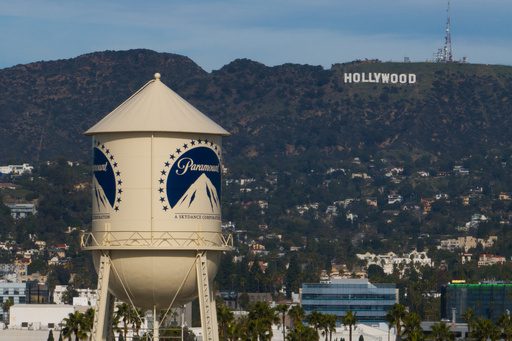
POLICY WIRE — New York, U.S. — For a transaction valued at an eye-watering $111 billion—a sum that makes even Wall Street titans blink—the federal government’s quiet nod for Paramount’s planned takeover of Warner Bros. Discovery felt, to many, like a whispered anomaly. An antitrust stamp of approval from the Trump administration, issued just weeks ago, suggested smooth sailing for this colossal media consolidation. But then, as it often does in American jurisprudence, the states decided to speak up.
Monday brought the sharp rebuke from a coalition of twelve states, led by California’s Attorney General, lodging a lawsuit aimed squarely at derailing the cinematic and televisual juggernaut. It’s a challenge to conventional wisdom—or maybe, just a timely reminder that Washington isn’t the only show in town when it comes to keeping corporate behemoths on a leash. These states aren’t just filing papers; they’re essentially calling foul, claiming this merger would, rather dramatically, ‘extinguish competition’ across the whole Tinseltown ecosystem. And that means trouble, not just for the industry, but for everyone who watches a screen.
“The unlawful merger of these two entertainment behemoths would lead to higher prices, lower quality, and less content for film and television, harming movie theaters, basic cable distributors, and ultimately, audiences on every sofa and movie theater seat in the U.S.,” declared California Attorney General Rob Bonta, not mincing words. That’s a direct shot, aimed straight at the idea that bigger always means better. He isn’t wrong; when you smash together HBO Max with CBS, Harry Potter with Top Gun, and CNN with the local news, you’re creating something truly gargantuan.
Paramount, through its Skydance parent, isn’t taking this lying down. They’ve cried foul themselves, arguing the lawsuit “distorts settled antitrust law” and suggesting their merger actually cooks up a “stronger competitor against dominant streaming and technology platforms.” They’ve pledged to vigorously defend their corner—they’ve got plenty of billions tied up in this, after all, including a seven billion-dollar regulatory termination fee if this thing implodes. But California isn’t alone. Arizona, New York, Colorado, Connecticut, Massachusetts, Minnesota, Nevada, New Jersey, New Mexico, Oregon, and Washington are all in on this fight. It’s quite the gang-up.
The Justice Department’s earlier support, remember, was a head-scratcher. It came with an unusually long, almost philosophical statement, claiming the merger would ‘increase competition.’ But then, President Trump—never one to shy away from, say, publicly airing his grievances about CNN—has a certain fondness for Oracle founder Larry Ellison, whose son David is the brains behind Skydance and, therefore, the driver of this deal. Politics, as we know, often has an uninvited seat at these corporate dinner tables. You can’t help but wonder. And yes, people are wondering what will happen to CNN should this go through. As Defense Secretary Pete Hegseth put it rather pointedly in March, “the sooner David Ellison takes over that network, the better.” A not-so-subtle nudge, wouldn’t you say?
📄 POLICY WIRE WHITEPAPER PUBLISHED: PAKISTAN'S NATIONAL SECURITY POLICY PRIORITIES
👉 READ BY CLICKING HEREThey’ve already snagged regulatory green lights in places like China — and Canada. The clock, however, is truly ticking for the firms, who’d hoped to wrap this by Q3. If not, shareholders are looking at a 25-cent per share ‘ticking fee’ for every quarter past September 30. That’s real money, not play money. Critics, beyond the states, are loud, too. Thousands of industry pros—actors, directors, writers—they’re seeing the specter of job losses and a narrowing of creative choices. Because, let’s be honest, fewer studios often mean fewer gigs — and fewer daring narratives.
What This Means
This isn’t just another corporate squabble; it’s a heavyweight bout for the future of entertainment, employment, and arguably, even journalistic integrity. If the states win, it sends a powerful message that regional governmental bodies retain substantial power in reining in federal antitrust laissez-faire. It’d also likely keep more players in the game, perhaps allowing a healthier, more diverse pipeline of content—which is great for both consumers and creators.
Economically, keeping two mega-players separate could prevent a media monolith from dictating terms to smaller distributors, independent filmmakers, and indeed, entire regional content markets. Consider the impact globally, too. Monolithic Western media entities sometimes struggle to resonate, or even adequately represent, diverse cultural narratives. Take South Asia, for instance. A region rich in its own storytelling traditions, its artists and filmmakers might find fewer avenues or harder terms for international co-productions or distribution if global media ownership consolidates further into just a few dominant hands. Such homogenization threatens local creative industries — and cultural authenticity. But if these two marry, then consumers might just see price hikes and fewer innovative shows, stuck in a world of ‘more of the same.’ This lawsuit forces a conversation: what’s the right balance between corporate efficiency and genuine marketplace competition? And ultimately, who really benefits?