


Netanyahu’s Precision Strike Claims: Echoes of an Unending Conflict
POLICY WIRE — Tel Aviv, Israel — Just as the mercury began to dip across parts of the Levant, a familiar heat flared in the skies above Gaza. Forget the quiet diplomacy — and endless talks of...

POLICY WIRE — Tel Aviv, Israel — Just as the mercury began to dip across parts of the Levant, a familiar heat flared in the skies above Gaza. Forget the quiet diplomacy — and endless talks of de-escalation; sometimes, it seems, the region prefers its old dances. Yesterday, Israeli Prime Minister Benjamin Netanyahu stepped before cameras, looking resolute, declaring his nation had once again taken aim at—and purportedly eliminated—the nascent leadership of Hamas’s military wing. A new name, a fresh target, but the same grim choreography plays out, a recurring tragedy for everyone stuck in its relentless beat.
It’s a strategic assertion, no doubt, designed to signal strength and unwavering resolve, especially when domestic optics back home aren’t exactly gleaming. Netanyahu stated, “We act with an iron fist against those who plot our demise. Israel’s security isn’t negotiable, and those who seek to harm our people, no matter their rank or their latest title, will find themselves targets. This operation, like so many before it, demonstrates our commitment to neutralizing terror leadership wherever they emerge.” It’s a line we’ve heard, over and over. You almost expect it. And the audience—both friend and foe—knows the script by heart, too. They’ve seen it happen countless times.
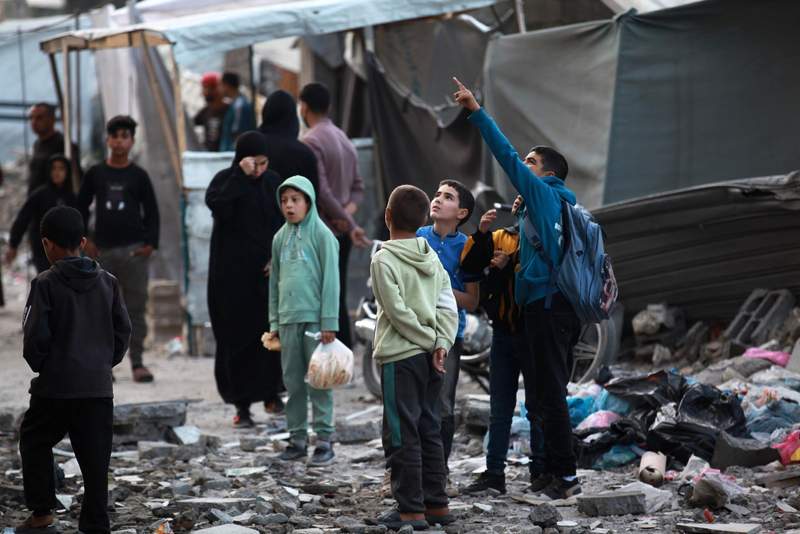
But beyond the official communiqués, beyond the grim pronouncements, you gotta wonder if anyone truly believes this kind of strike breaks the cycle. Because, frankly, it never has. Eliminating one ‘chief’ simply means another steps into the void, often with an even sharper axe to grind. The perpetual attrition warfare is exhausting for all sides, leaving behind only deeper trenches of mistrust and an ever-growing tally of loss. The Gaza Strip, a cramped coastal enclave, remains a pressure cooker. Its roughly 2.3 million residents are routinely caught in the crossfire, an undeniable casualty in a conflict they’re powerless to escape.
A spokesperson for Hamas, Ghazi Hamad, speaking from Beirut, didn’t mince words, though his rhetoric was equally predictable. “Israel’s barbarism knows no bounds. They target our leadership, our infrastructure, our very hope for a future. But our resistance is rooted in the soil, in the very soul of our people. They may take one of our brothers, but they can never extinguish the flame of freedom in every Palestinian heart. We won’t break; we’ll rebuild and fight for justice, as we always have.” His words—bitter, defiant—underscore a shared resolve that remains fiercely unyielding, mirroring Netanyahu’s own.
This particular episode — another name crossed off a target list — echoes through capitals far beyond the immediate battle lines. It fuels the narrative in Muslim-majority nations, from Istanbul to Jakarta, that international institutions are selectively blind to Palestinian suffering. For instance, in Pakistan, already grappling with its own domestic political turmoil and the shadow of militant insurgencies—see our analysis on “Eid Journey Turns Deadly”—such events galvanize public opinion. Protests routinely erupt across Pakistani cities following significant escalations in the Israeli-Palestinian conflict, often translating into greater diplomatic pressure on Islamabad to condemn Israeli actions.
It’s an unending loop, isn’t it? The drone footage, the carefully curated statements, the civilian tolls that invariably climb. According to a recent report by the UN Office for the Coordination of Humanitarian Affairs (OCHA), civilian casualties in the Gaza Strip alone have surged by over 40% in the last year compared to the preceding period, irrespective of who initiated what particular salvo. These aren’t just numbers; they’re lives. Families upended. futures snuffed out. And still, the official positions remain hardened concrete.
📄 POLICY WIRE WHITEPAPER PUBLISHED: PAKISTAN'S NATIONAL SECURITY POLICY PRIORITIES
👉 READ BY CLICKING HEREWhat This Means
Economically, this sort of engagement drains resources that both sides desperately need for actual societal development. Israel spends billions annually on defense, much of it geared towards preventing or responding to threats emanating from Gaza. For the Gaza Strip, under blockade — and recurrently devastated, recovery is a myth. Any significant rebuilding effort is invariably met with renewed conflict, perpetuating a cycle of donor fatigue and humanitarian dependency.
Politically, Netanyahu’s pronouncement is an internal play as much as an external one. He’s battling declining approval ratings, internal coalition squabbles, and a sense that the nation’s security doctrine needs a jolt. Announcing the neutralization of a ‘new’ military chief can offer a short-term boost, demonstrating competence and strength to a population often feeling exposed. But the long-term strategic calculation remains elusive. Does it degrade Hamas’s capabilities? Perhaps. For a moment. But it also hardens their resolve, possibly pushes them towards more unpredictable tactics. The region, already volatile, teeters on the brink, always. For more on the broader regional dynamics, one might revisit our piece on “Shadow Games: Israel Strikes, Gaza Simmers, Region Holds Breath.” Nobody truly ‘wins’ this; everyone just endures.