


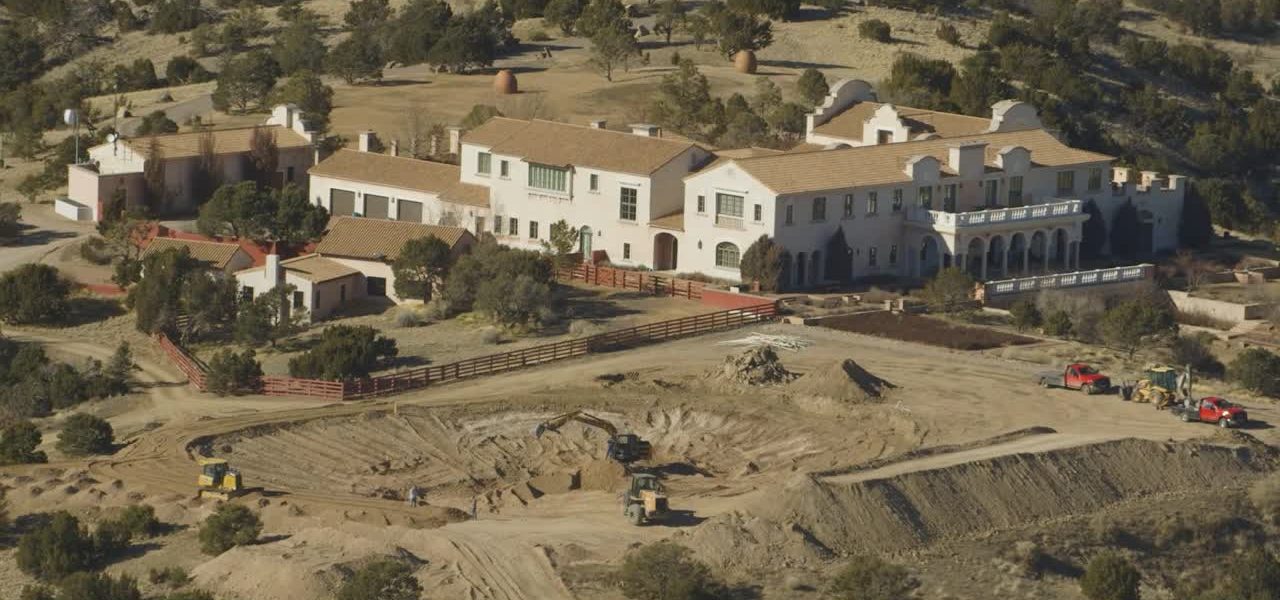
Zorro Ranch: Years of Silence Shattered as New Mexico Justice Recalls Old Horrors
POLICY WIRE — Santa Fe, N.M. — A vast stretch of high desert, once cloaked in silence and secrets, is stirring again. It’s been years, hasn’t it? Years since the infamous Zorro Ranch—Jeffrey...

POLICY WIRE — Santa Fe, N.M. — A vast stretch of high desert, once cloaked in silence and secrets, is stirring again. It’s been years, hasn’t it? Years since the infamous Zorro Ranch—Jeffrey Epstein’s sprawling, secretive New Mexico property—receded from the daily headlines, becoming just another grim footnote in a horrifying national tragedy. But the echoes of those years, those very dark periods, are proving stubbornly persistent, clawing their way back into the public square, demanding a reckoning that felt, for far too long, like a forgotten hope.
It’s New Mexico Attorney General Raúl Torrez, stepping into the fray, who’s now formally appealing to those damaged souls—any individuals who experienced abuse within Zorro Ranch’s fences—to finally step forward. It’s an invitation that’s a lifetime late for many, we can only imagine, but an essential one nonetheless. This call isn’t out of the blue, mind you. The New Mexico Department of Justice recently reopened its investigation into Zorro Ranch after investigators halted it in 2019 at the request of investigators in New York. A delay that, from a distance, looks like a quiet shrug in the face of abject horror, though officials will frame it as procedural coordination, no doubt. [QUOTE_PLACEHOLDER]
The whole re-ignited push owes a lot to New Mexico Public Lands Commissioner Stephanie Garcia Richard. She asked for the probe to begin again after reviewing an email from an alleged former Epstein staffer in 2019. That message carried a chilling allegation: claimed two girls were killed — and buried on public land near the ranch. Just think about that. Two girls, vanished, possibly in plain sight, with their story surfacing years later in an email. It’s enough to make your stomach clench. And it suggests a level of depravity—and potential cover-up—that feels almost fictional, except it isn’t.
Torrez isn’t sugarcoating the path ahead. He understands the immense courage this demands. In a letter to survivors, the attorney general said he knows it may be hard to share their experiences. But the stakes are high, aren’t they? For too long, the silence has protected the perpetrators, allowing their networks to fester, their crimes to remain unpunished. His office, he assured, isn’t taking this lightly; said the office will handle cases with care and will do what it can to protect victims’ privacy and identities. It’s a boilerplate promise, yes, but in these situations, it’s also a bare minimum of solace.
Globally, the specter of child exploitation looms large, a persistent, brutal reality. The United Nations Office on Drugs and Crime (UNODC) reported that globally, 1 in 3 detected trafficking victims are children. It’s a damning statistic that pulls no punches, reminding us that the horror of Zorro Ranch isn’t some isolated American anomaly. Across continents, from the crowded alleys of Karachi to the remote compounds of New Mexico, vulnerabilities are exploited, innocence shattered, and justice, if it comes at all, often limps belatedly onto the scene. Consider the arduous battle against human trafficking rings that operate with impunity in regions like South Asia. Or the struggle in Pakistan, for example, where cultural taboos and systemic failures often trap victims in a horrific cycle, making it excruciatingly difficult for survivors—especially young women and girls—to speak out. Their plight mirrors, in essence, the agonizing hesitation and profound fear that Epstein’s victims surely endure when contemplating coming forward now, years later. For many, speaking out carries a personal cost beyond comprehension, one that legal protections can only begin to address.
The call for victims to contact NMDOJ Special Counsel Sean Sullivan, via [email protected] or (505) 670-1239, marks a belated but important administrative step. But it also begs the larger question: what about all the opportunities missed, the years when this inquiry, and so many others, stalled? And how does a justice system truly atone for allowing such evil to thrive for so long? Because, let’s be honest, it didn’t just pop up overnight. This isn’t just about Epstein; it’s about everyone who looked away, who enabled, who remained conveniently silent. This slow drip of belated investigations only highlights the structural impediments to protecting the vulnerable.
📄 POLICY WIRE WHITEPAPER PUBLISHED: PAKISTAN'S NATIONAL SECURITY POLICY PRIORITIES
👉 READ BY CLICKING HEREThis situation also raises broader questions about state oversight, especially concerning vast, isolated properties where untold abuses might flourish, far from public scrutiny. It’s a reminder, too, that even in the land of sprawling mesas and big skies, dark corners can persist, shielded by wealth and influence. Perhaps if this renewed scrutiny forces an honest look at past bureaucratic complacency, some shred of meaning might emerge from the tragic tapestry woven by Epstein’s depravity. But that’s a big if.
What This Means
The re-opening of the Zorro Ranch investigation signals a few things. Politically, Attorney General Torrez is asserting the state’s commitment to an issue of national disgrace, aiming to restore a measure of public trust in New Mexico’s capacity for justice. It could bolster his standing, positioning him as a prosecutor unafraid to tackle the most uncomfortable cases. Economically, this isn’t just about an AG’s office; it could mean substantial legal costs for the state as investigations unfold, potential payouts to survivors, and maybe even a broader audit of how state lands and high-profile properties are monitored. The initial halt in 2019, requested by New York investigators, now looks less like deference and more like a missed chance for an independent probe—an error the current administration is keen to correct, or at least appear to be correcting. This belated move forces a difficult reckoning: are we seeing genuine resolve or political theatrics after the initial uproar has died down? It also shines an unwelcome light on the long shadow wealth and power cast over justice, both locally and internationally, much like how resource allocation to address pressing issues like, say, a surge in extremist violence, can often be delayed or diverted in regions experiencing critical security crises, as seen in parts of Pakistan following an Eid Journey Turns Deadly: Blast Ignites Security Crisis for Pakistan. This re-investigation is as much a test of New Mexico’s judicial fortitude as it’s a glimmer of hope for survivors—a hope, albeit, one delivered years later than anyone should ever have to wait. It reminds us that accountability is a long, arduous journey, and often, only after enough public outrage do the wheels of justice begin to truly grind.