


Shadow Games: Israel Strikes, Gaza Simmers, Region Holds Breath
POLICY WIRE — Tel Aviv, Israel — Another Tuesday dawns across the Levant, not with promises of peace, but with the stark, digital echo of a geopolitical tremor. No dramatic declaration from a grand...

POLICY WIRE — Tel Aviv, Israel — Another Tuesday dawns across the Levant, not with promises of peace, but with the stark, digital echo of a geopolitical tremor. No dramatic declaration from a grand stage, mind you. Just a quiet dispatch, a singular sentence from Israel’s prime minister, Benjamin Netanyahu, that has since sent analysts—and everyone else holding their breath in this perpetually volatile sandbox—scrambling. It wasn’t a speech; it was a blip on the wire, yet it spoke volumes.
It’s always about the words that aren’t said, isn’t it? The understated precision of an official communication, designed to ripple far beyond its immediate audience. What we got was short: Netanyahu: Israel launched attack at new Hamas military chief
. That’s the whole ball game, right there. It tells you what happened, who said it, — and whom it hit. But the implications? Ah, the implications stretch further than the bombs’ shrapnel, impacting the delicate balance of power from the Gaza Strip all the way to Islamabad’s corridors. [QUOTE_PLACEHOLDER]
Consider the timing, for one. Such pronouncements are rarely accidents. They’re calculated moves on a chessboard that sprawls across continents. For years, the cycle of violence and tentative ceasefires has been just that—a cycle, almost seasonal in its grim predictability. Yet, each escalation feels freshly fraught, heavier with the weight of unfulfilled promises and burgeoning humanitarian crises. This latest episode, a targeted strike confirmed by the leader himself, doesn’t just eliminate a perceived threat; it repositions players, stirs the pot of regional ambitions, and guarantees further reverberations. Because that’s what always happens, isn’t it?
But let’s not pretend this is purely about military strategy. There’s a narrative being shaped, both domestically for Netanyahu’s political survival and internationally, where Israel seeks to project strength and resolve. The announcement, devoid of flourishes, aims to signal surgical precision—a message perhaps intended to deter further actions by militant groups, but one that equally risks drawing new lines in the sand. It’s a dangerous tightrope walk, often misunderstood by those not steeped in the intricacies of Middle Eastern geopolitics. And that’s why everybody’s watching.
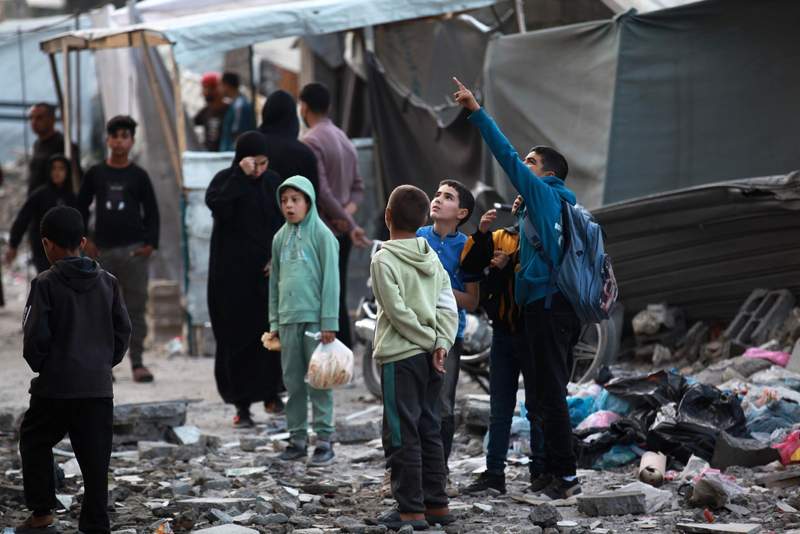
The situation in Gaza remains perpetually on a knife-edge. After previous rounds of intense conflict, the humanitarian situation there’s already dire. A 2022 report by the United Nations Office for the Coordination of Humanitarian Affairs (OCHA) indicated that roughly 80% of Gaza’s population depends on humanitarian assistance for survival. One doesn’t need to be an expert to connect these dots: a new escalation, particularly one targeting a senior figure, typically spells further misery for ordinary civilians. It’s a bitter truth, repeatedly played out.
And how does this play in the wider Muslim world? From Cairo to Karachi, such news is never received in a vacuum. It fuels a potent mix of anger, solidarity, — and political maneuvering. For Pakistan, a nation with its own complex relationship with geopolitical currents and a strong identity rooted in its Islamic heritage, these events resonate deeply. Its government often issues statements condemning Israeli actions, aligning with broader Muslim sentiment. This latest incident won’t be an exception. It’ll reinforce existing narratives of regional power dynamics and the plight of Palestinians, feeding into domestic political discourse and foreign policy calculations. You see, the perceived aggression far from its borders still strikes a raw nerve.
for regimes struggling with internal dissent or seeking to burnish their Islamic credentials, such moments offer convenient rallying points. The constant drumbeat of conflict in the Middle East—however localized a single strike might be—becomes a cudgel in other political arenas, a source of leverage or condemnation. It’s not just about one chief; it’s about the ripple across an ocean of faith — and grievance. They’re all interconnected, whether anyone wants to admit it or not.
What This Means
This single, terse announcement isn’t merely an update on an ongoing skirmish; it’s a clear escalation of tensions with profound political and economic implications. Politically, Netanyahu’s statement—especially sans elaborate context—suggests an assertion of Israeli unilateralism, a flexing of muscle possibly aimed at domestic audiences as much as external foes. It allows his government to project strength, often a favored tactic when internal political pressures mount. We’ve seen this script before, haven’t we?
Economically, such instability discourages foreign investment in the wider region, stifles emerging market growth, and keeps commodity prices—particularly oil—jittery. Any fresh bout of violence in the Levant carries the potential to disrupt global supply chains, even if only through investor jitters, impacting trade routes vital for countries from Europe to East Asia. For nations like Pakistan, deeply reliant on stable energy prices and regional trade, an uptick in conflict invariably translates into inflationary pressures and heightened security concerns, potentially diverting precious resources from development. It’s never just a local problem.
the targeting of a new Hamas military chief
suggests an ongoing, adaptive Israeli intelligence effort, implying this conflict is far from a static scenario. This dynamic will undoubtedly fuel an internal debate within Hamas about leadership, tactics, and response, almost certainly leading to retaliation of some kind. The diplomatic channels, already threadbare, will fray further, pushing any prospect of a durable peace agreement even further out of reach. It’s a calculated gamble, to be sure, — and one whose dividends are almost always paid in further bloodshed.