


Nepal’s Catastrophic Flood Exposes Himalayan Glacier Perils Amid Climate Crisis
POLICY WIRE — Kathmandu, Nepal — A devastating flash flood in Nepal, which claimed hundreds of lives and left over a thousand missing, was probably triggered by a massive glacier fragment breaking...

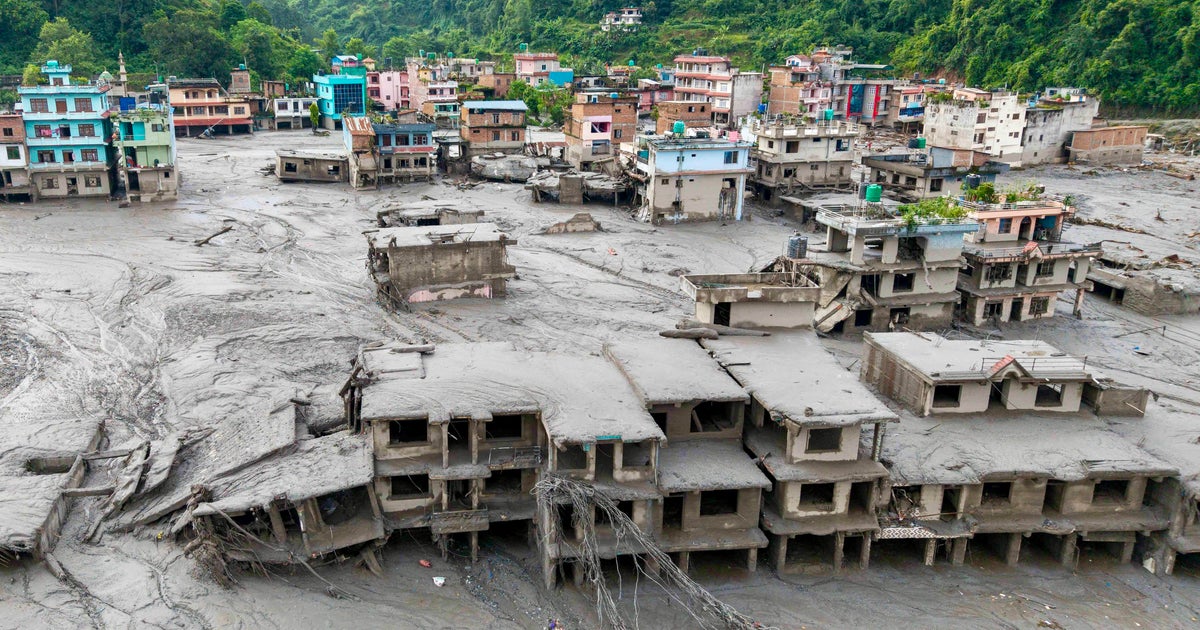
POLICY WIRE — Kathmandu, Nepal — A devastating flash flood in Nepal, which claimed hundreds of lives and left over a thousand missing, was probably triggered by a massive glacier fragment breaking off and temporarily damming a river, according to initial scientific assessments. This event may have caused a surge of backed-up water to rush downstream with tremendous force hours later.
Scientists are currently analyzing satellite and ground data to determine the exact cause of the flood. The U.S. Geological Survey reported a magnitude 5.2 glacier collapse, based on seismic station data, long-period seismic waves, and satellite imagery.
Jakob Steiner, a geoscientist at the University of Graz, described the glacier’s lower section as having been “cut with a huge knife” and falling off, which could have felt like a bomb explosion.
While a direct link to global warming is not yet confirmed, rising temperatures due to human activities are increasing the likelihood of such disasters, particularly in the rapidly warming Himalayan region.
Saswat Sanyal, a disaster risk reduction specialist, cautioned against drawing immediate connections but noted that rising temperatures are altering the Hindu Kush Himalaya region and melting glaciers.
The Hindu Kush Himalaya, spanning 2,175 miles from Afghanistan to Myanmar, contains the largest volume of ice outside the polar regions and is the source of water for 12 rivers serving 1.65 billion people. The melting of these glaciers poses a significant threat to water supplies.
The recent flood caused extensive damage to homes and critical infrastructure across the Himalayan region. Water levels in affected rivers rose by up to 9 meters in just 30 minutes due to the glacial surge.
Preliminary evidence indicates that a large volume of ice and rock may have fallen into the Lhende Khola, a tributary of the Bhote Koshi River, displacing water and creating a powerful downstream surge.
The region has a history of destructive mountain hazards, including floods and avalanches. The Hindu Kush Himalaya is experiencing rapid warming, leading to significant changes in glaciers, snow cover, permafrost, and mountain slopes.
Steiner warned that such events are becoming the “new normal” and will likely worsen. The last decade was the hottest on record globally, with glaciers losing 267 gigatons of ice per year between 2000 and 2019.
Current global policies are projected to result in a 2.8 degrees Celsius increase in global temperatures by the end of the century, leading to the potential loss of up to 50% of all glaciers by 2100.
Research shows that glaciers in the region are melting at an accelerating rate, with ice-loss rates doubling since 2000. This melting can enlarge glacial lakes and increase the risk of sudden floods.
As glaciers retreat, previously insulated mountain rock is exposed to warmer temperatures, leading to increased chances of material moving down from the mountains. This can result in cascading hazards such as avalanches, debris flows, river blockages, and flash floods.
Sanyal highlighted the global implications of Himalayan glacier melting, including sea-level rise and changes in ocean circulation. He emphasized the need for stronger early warning systems, better monitoring, and faster cross-border information sharing.
Steiner expressed frustration that previous disasters have not prompted sufficient action, noting that some regions of Nepal are now too risky to inhabit. He called for coordinated efforts among stakeholders to implement known solutions.
Reporting by Policy-Wire (PW)