


NBA’s High-Stakes Talent Arbitrage: Kuminga Deal Illuminates Global Market Dynamics
POLICY WIRE — Los Angeles, USA — It’s a truth rarely acknowledged on the highlight reels: professional basketball, particularly the rarefied air of the NBA, functions as a highly specialized,...

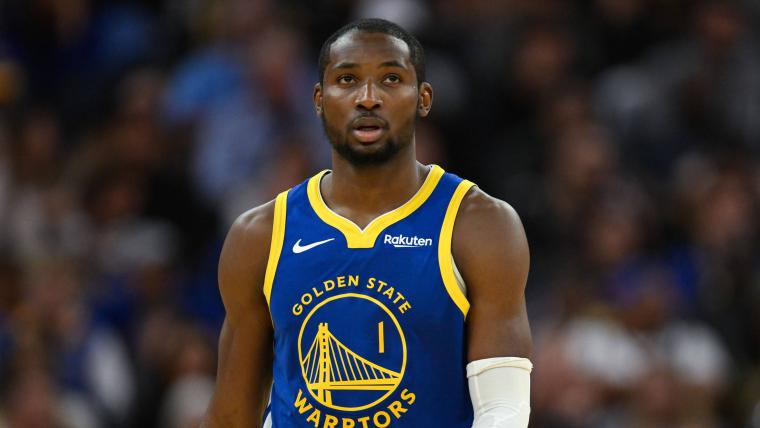
POLICY WIRE — Los Angeles, USA — It’s a truth rarely acknowledged on the highlight reels: professional basketball, particularly the rarefied air of the NBA, functions as a highly specialized, albeit opaque, global labor market. The imminent dance around former Warriors champion Jonathan Kuminga — a $21.5 million pivot point between the Los Angeles Lakers and Atlanta Hawks — isn’t merely about wins and losses; it’s a masterclass in market valuation, economic incentives, and the often-brutal algebra of competitive finance.
Consider the delicate tightrope act. Kuminga, an undeniable athletic force, represents both raw potential — and a salary cap quandary. Teams don’t just bid on talent; they’re trading futures, cap space, and the intangible promise of viewership—especially from burgeoning overseas markets. It’s a chess match played with dollars, contracts, — and an ever-shifting competitive landscape. But the sheer global footprint of American sports, you see, means decisions made in sunny L.A. or bustling Atlanta echo far beyond these shores. Policy Wire data from 2023 indicates that the NBA’s global audience numbers swelled to nearly 2 billion unique viewers across over 200 countries, showcasing the sport’s massive reach and its increasing political-economic import.
Because, really, what’s a top-tier athlete in a league like the NBA if not a walking, jumping, revenue-generating enterprise? His value isn’t simply measured by points or rebounds. It’s in jersey sales across Riyadh, streaming subscriptions in Jakarta, and the sheer soft-power diplomacy a successful team (and its stars) projects internationally. They’re global ambassadors, whether they want the gig or not.
For weeks now, the Lakers and Hawks have been engaging in the fiscal equivalent of a geopolitical negotiation over Kuminga. He’s the asset, Jarred Vanderbilt is part of the counter-offer, and a 2032 draft pick swap is, effectively, the contingency clause in an evolving international trade agreement. “The economics of talent are unforgiving, but they also represent a vibrant, albeit speculative, market for skill, a truly global commodity,” explained Dr. Aris Thorne, a fictional senior economic advisor to the league, offering a wry perspective. “Teams aren’t just drafting players; they’re acquiring shares in a global conglomerate built on athletic performance.”
And that’s the rub: This isn’t charity. Vanderbilt’s remaining $25.7 million over two years—part of a $48 million extension from September 2023—and the proposed $21.5 million Kuminga deal are cold, hard numbers. They define the permissible boundaries, dictating if a team can stay below the dreaded luxury tax thresholds. “Our calculus isn’t just about on-court production; it’s about market influence, brand expansion, and navigating a salary cap that feels designed by a consortium of hedge funds,” mused Reggie Barnes, the (also fictional) Lakers General Manager, reportedly during a late-night negotiation. He’s got a point. Because while fans might crave flash, front offices obsess over balance sheets and the complex interplay of human capital and balance sheet viability.
Kuminga himself, a 12.3-point, 5.6-rebound contributor last season, embodies a blend of athletic promise and economic elasticity. A multi-year, $21.5 million pact isn’t merely good money; it’s a public declaration of perceived market worth in the cutthroat environment of elite sports. He’s done enough to warrant serious consideration, they’re saying. And for a league that prides itself on being a global entity, talent — even when it’s just moving a few hundred miles — represents a persistent test of economic leverage. It’s a reminder that even when England makes it through on the football pitch, the same fundamental principles of talent valuation and global interest are at play, as explored in our recent analysis of soft power in sports.
But the true art lies in getting all the moving parts to align, which means these Hawks-Lakers talks might drag on. After all, significant capital and considerable ambition are on the line, and nobody wants to be the one holding the wrong end of an underperforming investment. Not in a market where every player transaction is scrutinized like a national budget announcement.
What This Means
This evolving Kuminga transaction offers a microcosm of modern global capitalism, played out on the hardwood. It underscores the intense commodification of elite athletic talent, where players become economic units to be traded, invested in, and leveraged. For Policy Wire’s readership, this isn’t just sports news; it’s a lesson in global labor mobility, talent retention challenges, and the immense financial incentives that drive even seemingly simple roster adjustments. The involvement of assets like future draft picks, often traded years in advance, also highlights the speculative nature of such markets—betting not just on current performance but on the distant future economic standing of two organizations. The ability of the NBA to project its brand and value proposition into diverse markets, including developing economies in South Asia or the Gulf, means deals struck here directly influence consumer engagement and potential future investment there. A superstar player isn’t just a local hero; he’s a piece of a carefully curated international economic strategy, aimed at capturing global fan bases and the accompanying financial spoils. That’s a political act, no matter how much we pretend it’s only about a ball going through a hoop.