


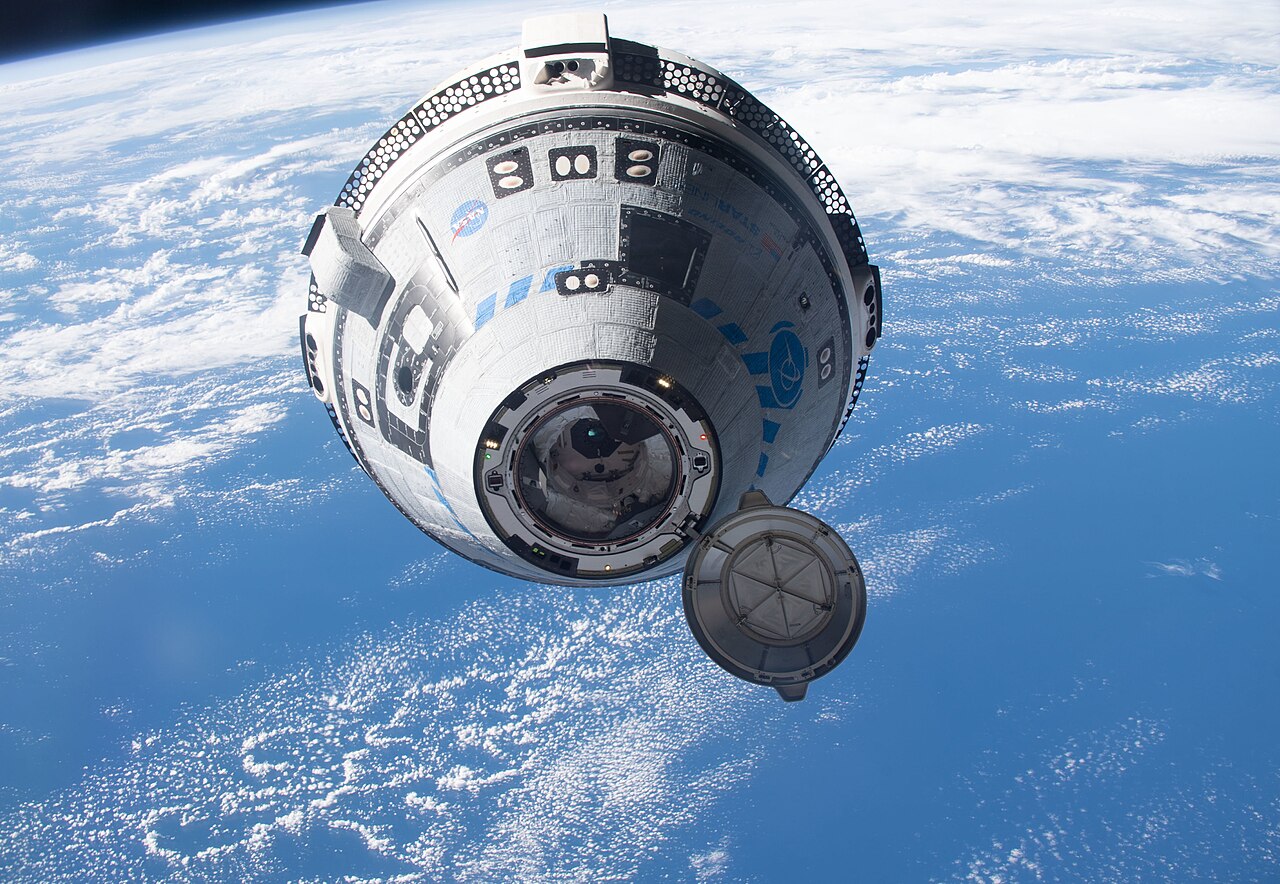
NASA to Launch Unpiloted Starliner Test Flight in Late 2024 After 2024 Mission Delays
NASA and Boeing prepare for unpiloted Starliner test flight after 2024 mission issues. Updates on crewed mission plans.

POLICY WIRE — Washington, D.C. — NASA is collaborating with Boeing to conduct an unpiloted Starliner capsule test flight between December and January, aiming to evaluate critical upgrades following a 2024 mission that left two astronauts stranded at the International Space Station for over nine months due to propulsion system malfunctions.
The upcoming test, known as Starliner 1, will focus on verifying redesigned propulsion valves, enhanced subsystems, and other improvements intended to prevent similar failures in the future. If successful, a piloted mission is expected to take place in mid-2028, led by veteran astronaut Warren ‘Woody’ Hoburg.
Currently, SpaceX’s Crew Dragon is the sole U.S. spacecraft capable of ferrying astronauts to the ISS. NASA aims to reintroduce Boeing’s Starliner to ensure continued U.S. access to low Earth orbit through the station’s planned retirement in 2030, as well as support for future commercial space stations in the 2030s. Dana Weigel, manager of NASA’s low-Earth orbit operations, emphasized the importance of having two independent crew transportation providers for long-term space access.
Boeing has announced enhancements to the Starliner, including improved hardware and added resources for human spaceflight certification. The company is replacing faulty valves, redesigning thruster components, and upgrading critical systems such as batteries and parachutes. These changes are designed to address the three major issues identified in an independent review of the 2024 mission, which included helium leaks, thruster failures, and insufficient redundancy in key systems.
The 2024 mission, which was initially scheduled for 10 days, ended up lasting 286 days after astronauts Barry ‘Butch’ Wilmore and Sunita Williams were forced to remain aboard the ISS for six additional months before returning via a Crew Dragon. NASA and Boeing now plan to conduct a series of on-orbit tests during the unpiloted flight to validate the propulsion system’s performance under strict conditions.
In addition to Starliner 1, NASA is working with United Launch Alliance (ULA) to certify the Vulcan rocket for crewed missions, as only a limited number of Atlas 5 rockets remain in inventory. ULA has confirmed its commitment to supporting the Starliner program and advancing human spaceflight capabilities for low Earth orbit.
Reporting by Policy-Wire (PW)