


Germany’s Fuel Subsidy End: Economic Shockwaves
Germany ends fuel subsidies, sparking price hikes and economic jitters. Discover the impact on consumers, businesses, and the wider European economy.

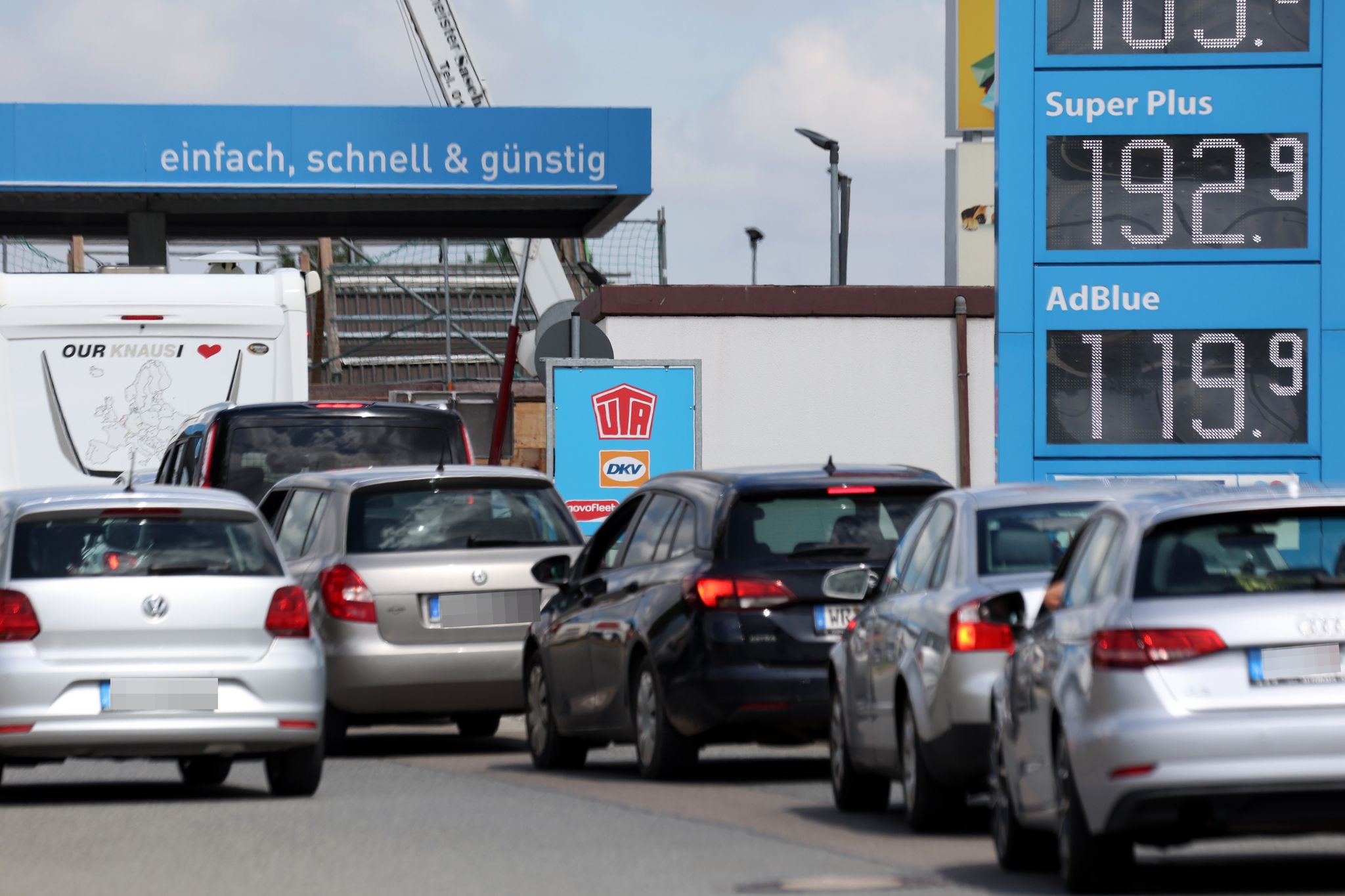
POLICY WIRE — Berlin, Germany — The humming drone of Germany’s economic engine is changing pitch. It’s a subtle shift, perhaps, but one felt deeply at the nation’s petrol pumps, where the relief of government-backed fuel subsidies evaporated on the stroke of midnight. This isn’t just about a few extra cents on a tank; it’s a cold dose of reality, hitting the wallets of everyday citizens and sending quiet shivers through an already apprehensive European economy.
Because let’s face it, nobody truly believed the good times — or rather, the less-bad times — would last forever. The German government’s three-month tax cut, implemented to soften the blow of skyrocketing energy costs, was always a temporary fix. Now, it’s gone, — and the bill for keeping millions on the road is landing squarely on consumers. Drivers, hauliers, delivery services — they’re all watching the digital readouts climb at a sickening pace. For many, it means tougher choices; for some small businesses, it’s a genuine existential threat.
It’s an unpleasant but expected reversion, really. From August 31st into September 1st, the prices for E10 petrol shot up by an average of nearly 25 cents per liter overnight, according to Germany’s ADAC motoring club. Diesel followed, rising by more than 10 cents. And those figures are just averages. You’re feeling it most keenly in places reliant on ground transport, in the delivery vans zigzagging through cities, or the farmers hauling produce to market. Their margins, already thin, just got considerably thinner.
German Finance Minister Christian Lindner, whose fiscal conservatism often chafes against calls for sustained government intervention, didn’t mince words. “We couldn’t sustain these extraordinary measures indefinitely without severely jeopardizing our long-term fiscal health,” Lindner stated recently, his tone conveying a pragmatic acceptance of the economic pain. “It’s a bitter pill, yes, but one we simply had to swallow. The market, unfortunately, has its own undeniable demands.” But for many citizens, it’s a pill without much water to wash it down.
But the political backlash is already simmering. Opposition parties — and even some coalition partners are fretting over the impact on struggling households. “Families and small businesses—they’re the ones bearing the brunt of this decision,” countered Anja Müller, head of the fictional yet utterly plausible German Transport Association, during a radio interview. “We warned the government that withdrawing these subsidies prematurely would stifle any nascent recovery, particularly in critical logistics. Now, here we’re, seeing forecourt prices jump right back to where they were when the subsidy was first introduced, and inflation still chewing away at purchasing power.” Her exasperation was palpable, echoing countless complaints across the country.
This localized fuel shock isn’t happening in a vacuum, either. European economies, deeply intertwined, are all grappling with the fallout from global supply chain disruptions and geopolitical tensions, particularly from the war in Ukraine. Germany, as the continent’s industrial powerhouse, exporting sophisticated machinery and automobiles, needs affordable energy to maintain its competitive edge. Its reliance on stable, accessible fuel costs affects everything from manufacturing production to the efficiency of its immense export-oriented logistics networks.
And these pressures resonate far beyond Germany’s borders, into regions heavily reliant on global trade and the stability of developed markets. Look at South Asia, for instance. Countries like Pakistan are acutely sensitive to shifts in global energy prices; their economies, often burdened by import costs and currency devaluations, don’t have the luxury of even temporary, government-funded respites from energy hikes. Germany’s energy woes, while framed in euros, speak to a larger, shared global struggle over resources and affordability—a struggle that plays out with far more severe consequences in the developing world.
What This Means
The sudden snap-back in German fuel prices marks a painful inflection point for Europe’s largest economy. Economically, expect an immediate inflationary bump. Consumer spending, already squeezed, will tighten further, potentially pushing some households into genuine hardship. Businesses, particularly those with substantial transportation costs, will be forced to either absorb losses, pass costs onto consumers (exacerbating inflation), or — worst case — scale back operations. It’s a challenging environment for manufacturers who already face headwinds. The ongoing ripple effect of global auto output struggling with supply chains will be intensified.
Politically, the move will test the already delicate governing coalition. Lindner’s FDP is holding firm on fiscal discipline, but their Green and Social Democrat partners face growing pressure to protect vulnerable citizens. This creates internal friction, distracting from broader policy goals — and potentially eroding public trust. The spectre of renewed social unrest, however minor, cannot be entirely discounted if the economic burden feels unbearable to too many. The choice between fiscal prudence and mitigating public outcry is a brutal one, and Germany, for now, has opted for prudence, inviting short-term pain in exchange for — they hope — long-term stability.
But stability, when it means less money in your pocket for essentials, feels a long way off. It’s not just a statistic; it’s the cost of the commute, the food on the table, the heating bill—the very real fabric of daily life in a modern European state.