


Minor League Maelstrom: Bowser’s Blasts Mask Broader Systemic Instability
POLICY WIRE — Chicago, Illinois — Not every tale of athletic aspiration unfolds under the dazzling lights of a prime-time broadcast. For most, the grind starts far from glory, a dizzying carousel of...

POLICY WIRE — Chicago, Illinois — Not every tale of athletic aspiration unfolds under the dazzling lights of a prime-time broadcast. For most, the grind starts far from glory, a dizzying carousel of promotion, demotion, and uncertainty that epitomizes professional sports’ less glamorous, yet fundamentally formative, stages. This week’s minor league docket for one particular organization wasn’t merely a catalog of wins and losses; it was a gritty, sometimes chaotic, exhibition of a system forever in flux.
It’s a peculiar theatre, where the spotlight often falls on fleeting moments of brilliance while the surrounding narrative screams of raw volatility. Consider the Iowa Cubs. They found themselves, quite literally, blasted by Indianapolis, a 14-5 drubbing that saw fresh faces and familiar names alike struggle. Right-hander Connor Noland, just back from the injured list, worked the first four frames. He allowed two runs, one earned, on three hits, striking out six while issuing one walk. And that was just the appetizer. The real drama, the messy kind you don’t typically see celebrated, unfolded immediately thereafter. [QUOTE_PLACEHOLDER]
Zac Leigh, in relief, only managed to retire a solitary batter before giving up five runs on one hit and four walks, an implosion that included a three-run home run. It doesn’t get much tougher, does it? Leigh didn’t even log a strikeout before being pulled, taking the loss as quickly as the inning spiraled out of control. But even in this wreckage, there are whispers of ascent. Gavin Hollowell, reports indicated, maintained a 1.23 ERA and hasn’t surrendered an earned run since May 7, quietly making a compelling case for a major-league call up. His latest outing? Another perfect inning in the seventh, striking out two. A steady hand amid a storm.
Down in Tennessee, the Knoxville Smokies staged a doubleheader sweep against Chattanooga, pulling off back-to-back 7-5 victories. But success wasn’t without its heart-stopping moments. Game two saw the Smokies hold a comfortable 7-1 lead going into the seventh, only for closer Jackson Kirkpatrick to encounter serious trouble, giving up four runs on two hits and three walks. This forced a late-game substitution, with Marino Santy stepping onto the mound, facing a bases-loaded, one-out scenario. He promptly walked the first batter, scoring a run, before closing it out with a timely strikeout. Pure theater, that.
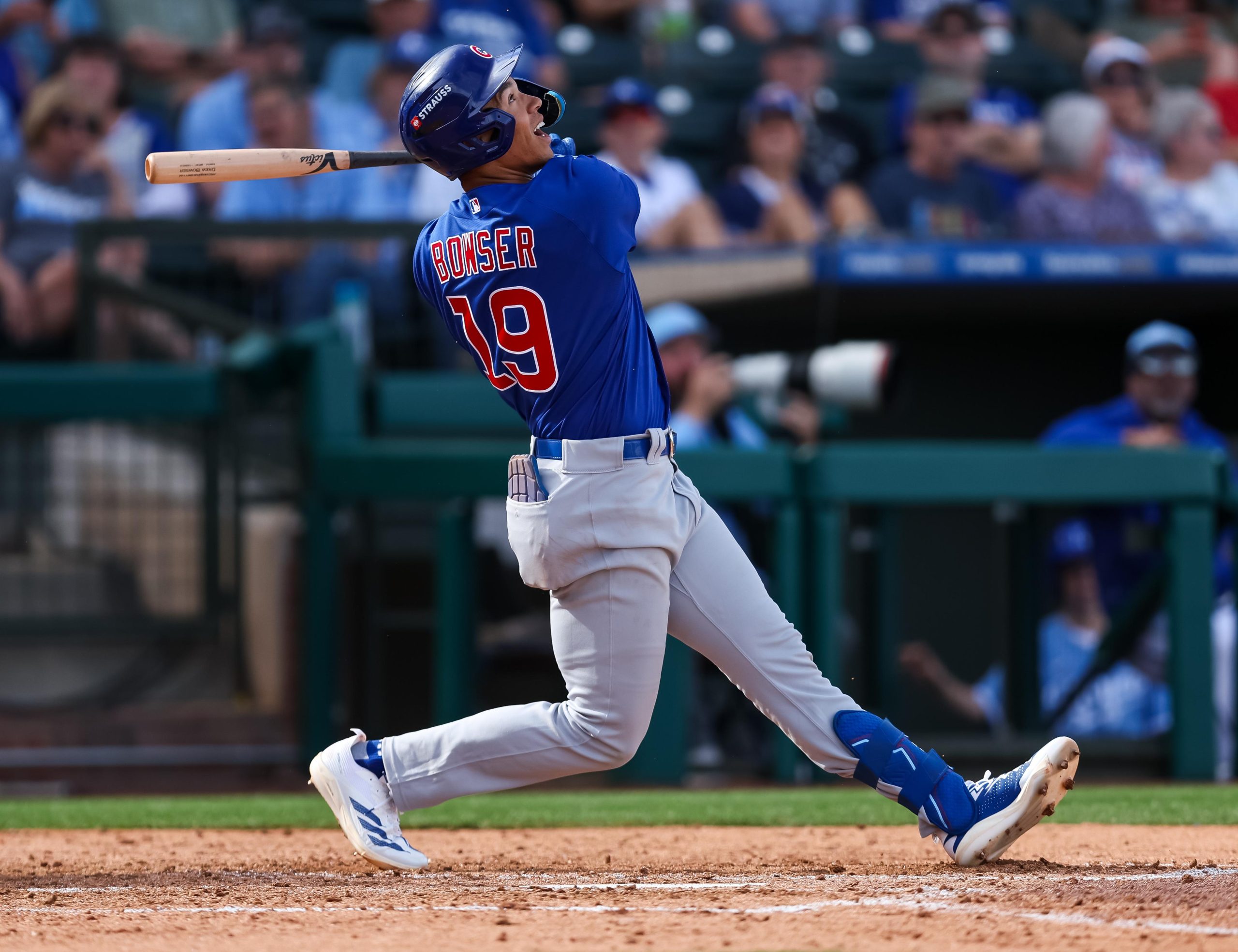
But of course, a headline often demands a hero, — and in South Bend, they found one. Drew Bowser, the first baseman for the South Bend Cubs, continued his hot streak, smashing a grand slam in the sixth inning—his second grand slam in as many games. That’s his third home run this year, a truly remarkable individual achievement cutting through the systemic noise. Bowser went 1 for 4, but that one hit? Oh, that one hit. The social media feed for the team later posted, Death, taxes, and Bowser with the bases loaded.
A powerful sentiment for a player on a hot run, to be sure.
Further south, the Myrtle Beach Pelicans snatched a 7-5 victory from the jaws of defeat against the Wilson Warbirds. Geuri Lubo’s three-run homer in the eighth sealed the comeback, his second of the season, a walk-off-type blast that finally gave the Pelicans the lead. These singular moments, individual flashes of power and precision, are what spectators crave, what journalists (myself included, begrudgingly) often focus on, precisely because they offer a clean narrative in a fundamentally messy environment. But the messy environment, the ecosystem of minor league sports, well, that’s where the real story resides.
This high-turnover, low-pay structure for thousands of minor league athletes isn’t just an American phenomenon; it echoes the global reality for many aspiring athletes from regions like South Asia. For a young cricketer from Karachi, for instance, the path to financial stability through sports often involves a similar calculus: intense competition, fleeting opportunities, and the daunting prospect of significant economic migration if success materializes. Many young men in countries such as Pakistan or Bangladesh often lack the institutionalized, well-funded feeder systems that, despite their flaws, characterize North American baseball. For them, every catch, every swing, every boundary isn’t just about the game, it’s about altering an entire family’s future, often requiring an entirely different — and significantly harder — struggle for visibility and opportunity on the world stage.
What This Means
This weekly snapshot of minor league baseball isn’t just a scoreboard update; it’s a revealing microcosm of modern labor economics within a billion-dollar industry. The churn of players on and off various lists – injured, restricted, inactive – illustrates the brutal efficiency of a system designed to identify and fast-track elite talent, sometimes at the expense of player stability or even fair compensation. Players like Bowser or Hollowell demonstrate remarkable individual prowess. But their journey is supported, and perhaps ironically, constrained, by a labyrinthine organizational structure that constantly evaluates, promotes, and discards. The financial fragility inherent in many minor league contracts means that each roster move, each performance slump, isn’t merely a tactical decision; it represents a significant, often life-altering, economic event for the athlete and their families. They’re often on their own to figure out career progression, managing finances, and planning for life after the game in ways their higher-earning MLB counterparts aren’t. It’s a system that, despite generating massive revenue, perpetually maintains a significant underclass, much like other global industries that rely on a large pool of low-wage, temporary labor in the hope of finding a few superstars. You see it everywhere, in the arts, in tech startups, in professional sports — an overwhelming proportion working for far less than they generate, all chasing that elusive top-tier contract.
From an organizational perspective, the rapid rotation of prospects allows teams to pressure players for immediate results, optimizing their return on investment before potential arbitration or free agency complicates financial structures. This ruthless meritocracy, while effective at culling talent, carries broader implications for worker rights and the overall fairness of professional labor markets. It’s why policy conversations around minimum wages for minor league players, improved working conditions, and the expansion of the unionization movement will continue to remain heated discussions for the league and its owners. This constant balancing act, between developing prospects and protecting profits, defines much of how sports is actually run today. It’s a world that keeps evolving.