


McConnell’s Pen, $400 Million, and the Intricate Dance of Ukraine Aid
POLICY WIRE — Washington, D.C. — Sometimes, the most potent weapon in Washington isn’t a missile system or a strategic alliance, but a carefully worded op-ed from a powerful senator. Case in...

POLICY WIRE — Washington, D.C. — Sometimes, the most potent weapon in Washington isn’t a missile system or a strategic alliance, but a carefully worded op-ed from a powerful senator. Case in point: a recent $400 million tranche of aid for Ukraine, seemingly dislodged from bureaucratic inertia shortly after Senate Minority Leader Mitch McConnell (R-Ky.) unleashed a scathing public critique of perceived administration foot-dragging.
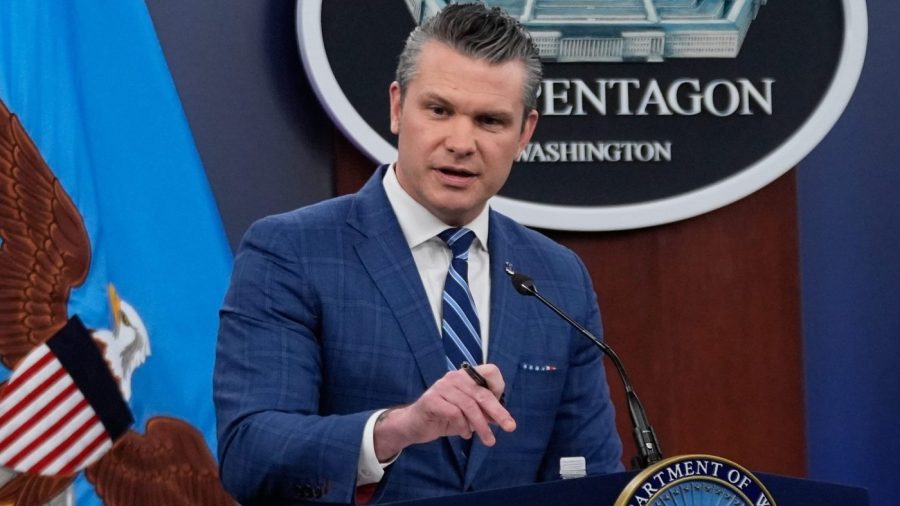
It’s a peculiar choreography, isn’t it? One might imagine the Pentagon’s logistical machinery operates on a meticulously planned schedule, independent of congressional editorials. Yet, Fox News personality Pete Hegseth, who often acts as a barometer for conservative sentiment, recently underscored this apparent correlation: the funds, he claimed, materialized almost immediately following McConnell’s potent public broadside. Whether coincidence or direct consequence, the timing has certainly ignited speculation among Beltway insiders.
Behind the headlines, this episode paints a vivid picture of the relentless, often unglamorous, push-and-pull defining America’s foreign policy apparatus. McConnell, a long-standing hawk and unwavering proponent of robust American engagement on the global stage, had evidently grown exasperated. His op-ed, while not explicitly detailing the $400 million, reportedly lambasted what he perceived as a wavering commitment to Kyiv, a narrative gaining traction among a segment of the Republican Party.
“Hesitation in supporting Ukraine is not merely a strategic blunder; it’s an abdication of leadership,” McConnell has, on previous occasions, asserted, a sentiment likely echoed in his recent public remarks. “The free world watches. Our adversaries measure our resolve in dollars and deliverables, not just declarations.” It’s a classic McConnell formulation — stark, pragmatic, and designed to prick the conscience of those he deems too cautious. For him, the fight isn’t just about Ukraine’s borders; it’s about the broader global order, the one he’s spent decades defending.
And so, the argument goes, the White House, ever attuned to congressional pressure, particularly from a figure of McConnell’s stature and influence, might’ve expedited the release. A senior State Department official, speaking on background, however, shot back at the notion of direct causation, emphasizing the continuity of the administration’s policy. “Our commitment to Ukraine has been, — and remains, unwavering,” the official contended. “Security assistance packages are the culmination of ongoing strategic assessments and logistical preparations, not reactive impulses. We’re constantly evaluating their battlefield needs, and these packages reflect that dynamic process.” That’s the official line, of course, denying any political optics influencing critical national security decisions.
Still, the optics persist. This particular allocation likely represents continued funding for essential defensive hardware, perhaps artillery shells, air defense components, or critical logistics support. It’s a fraction of the monumental sums committed since Russia’s full-scale invasion in February 2022. According to the Council on Foreign Relations, the United States has committed over $75 billion in security, humanitarian, and financial assistance to Ukraine since that date, making it the largest single donor. This latest disbursement, while significant, is a drop in that strategic bucket, but its timing speaks volumes.
It’s a reminder, too, of the precarious balancing act the Biden administration navigates. Domestically, they contend with an isolationist wing within the Republican Party — and a vocal progressive flank — questioning the fiscal and strategic wisdom of continued, extensive aid. Internationally, they must project an image of steadfast resolve to allies, while carefully managing escalatory risks with Moscow. (A tightrope walk, to put it mildly.) Such public pressure, like McConnell’s op-ed, can sometimes serve as an external nudge, providing cover for decisions that might otherwise face internal resistance.
📄 POLICY WIRE WHITEPAPER PUBLISHED: PAKISTAN'S NATIONAL SECURITY POLICY PRIORITIES
👉 READ BY CLICKING HEREConsider the broader global implications, particularly in regions like South Asia — and the Muslim world. The perception of American resolve, or its perceived fickleness, in Ukraine reverberates far beyond Eastern Europe. Nations like Pakistan, navigating their own complex geopolitical landscape and historical ties to both Washington and Moscow, watch keenly. How the U.S. manages its commitments in one theater can shape the expectations and strategic calculus of states in others, influencing everything from regional security alignments to trade policies. There’s a delicate global calculus at play, — and every move is scrutinized.
What This Means
At its core, this episode is a microcosm of modern American foreign policy, highlighting the persistent tension between executive autonomy and legislative influence. Politically, it reasserts the enduring, if sometimes understated, power of traditional Republican foreign policy hawks like McConnell. Their vocal advocacy can shift the conversation, and perhaps even the timeline, for crucial decisions, even under administrations with differing ideological priors. For the Biden team, it’s a constant management of internal and external pressures, balancing strategic necessity with political expediency. They’ve got to keep everyone happy, or at least mollified.
Economically, the $400 million, while substantial, represents another allocation in a vast defense budget — an investment proponents argue is essential for global stability and American security interests, even as critics highlight domestic needs. The aid sustains Ukraine’s defense, supports American defense industries, — and keeps the diplomatic channels open. But it’s never without debate on its broader fiscal implications.
Geopolitically, the swift disbursement, regardless of its immediate trigger, sends a message. To Kyiv, it’s a reaffirmation of support, however reluctantly perceived. To Moscow, it underscores continued Western commitment, even amid political wrangling. And to allies globally, it either solidifies confidence in American reliability or, conversely, highlights the often-messy, unpredictable nature of democratic decision-making in Washington. (It’s a mixed bag, certainly.) The ripple effects of decisions made on the Potomac extend far, influencing everything from regional conflicts to global aid strategies, as seen in the complexities surrounding aid flotillas to contested regions.