


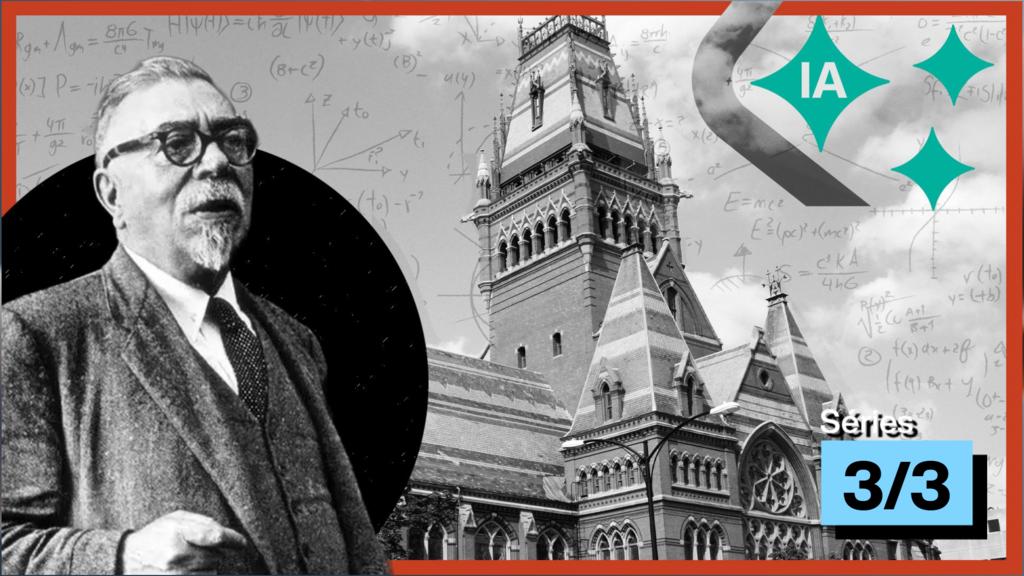
Norbert Wiener: The Overlooked Pioneer of Cybernetics and AI
POLICY WIRE — London, UK — Norbert Wiener, the mathematician who founded the field of cybernetics in the 1940s, may deserve recognition alongside artificial intelligence pioneers Alan Turing and John...

POLICY WIRE — London, UK — Norbert Wiener, the mathematician who founded the field of cybernetics in the 1940s, may deserve recognition alongside artificial intelligence pioneers Alan Turing and John von Neumann. Wiener’s work laid foundational principles for both cybernetics and AI, yet his contributions remain relatively overlooked.
Wiener’s interdisciplinary approach combined mathematics, engineering, and biology to understand systems and control processes. His 1948 book, “Cybernetics: Or Control and Communication in the Animal and the Machine,” introduced concepts that would become central to AI, including feedback loops and system stability.
Beyond his technical contributions, Wiener was one of the first to voice concerns about the societal implications of automation. He warned that unchecked technological advancement could lead to significant social disruptions, a prescient caution that resonates today as automation and AI continue to evolve.
“The use of human beings as servants for machines should be considered as among the worst crimes,” Wiener once stated, highlighting his ethical considerations regarding technology’s role in society.
Wiener’s foresight and multidisciplinary approach make him a crucial figure in the history of both cybernetics and artificial intelligence. His work not only advanced scientific understanding but also prompted critical discussions about the ethical use of technology.
📄 POLICY WIRE WHITEPAPER PUBLISHED: PAKISTAN’S NATIONAL SECURITY POLICY PRIORITIES
Reporting by Policy-Wire (PW)