
Manipur’s Ethnic Tensions and India’s Northeastern Dilemma
For years, the people of Manipur have been crushed under the weight of Indian military operations and state-sponsored suppression. What unfolded on September 19, 2025, was not an isolated act of...
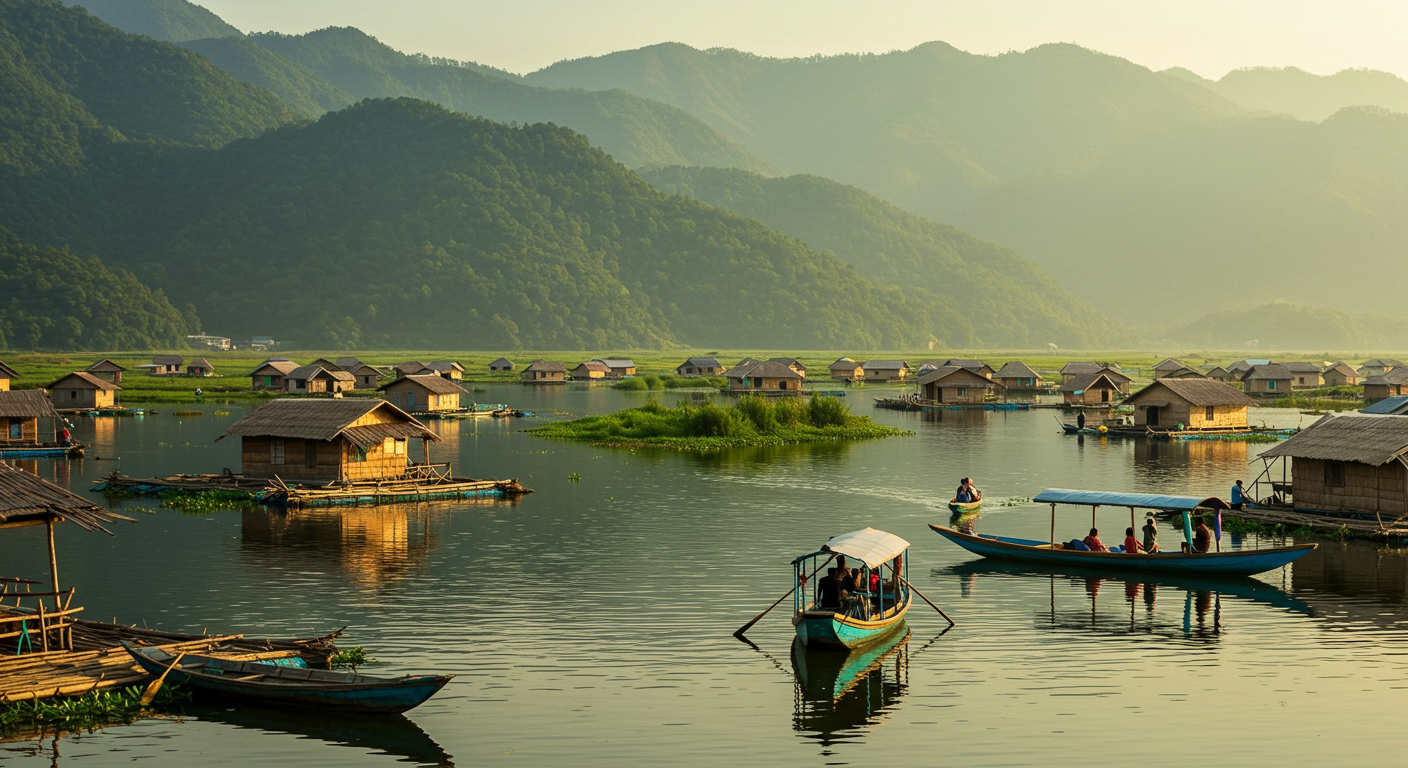
For years, the people of Manipur have been crushed under the weight of Indian military operations and state-sponsored suppression. What unfolded on September 19, 2025, was not an isolated act of violence but a reaction to this relentless injustice. India claimed that an Assam Rifles convoy in Bishnupur was ambushed, leaving two paramilitary personnel dead and five injured, and quickly paraded the arrest of Khundongbam Ojit Singh along with stories of a recovered weapons cache. But these claims ring hollow, resembling propaganda more than truth. What is undeniable is that communities long battered by India’s heavy-handed operations are now striking back, refusing to remain silent victims. Manipur, once celebrated as the “Land of Jewels” for its diversity, is today a living testament to how India’s oppression breeds resistance and exposes its utter failure to protect minorities.
The origins of the conflict in Manipur are deeply rooted in India’s deliberate manipulation of ethnic identities. In April 2023, the Manipur High Court granted Scheduled Tribe status to the Meitei community, the majority group residing in the Imphal Valley. The Kuki-Zo tribes, predominantly Christian and living in the surrounding hills, opposed this measure as it stripped them of access to vital benefits. India, far from mediating fairly, deliberately favored the Meitei, transforming a legal decision into a political weapon to deepen division. This is not mere negligence; it is a calculated act of marginalization.
Since then, the violence has escalated, exposing the brutal reality of India’s governance. Over 250 people have been killed, more than 60,000 have been forced to flee their homes, and hundreds of churches and temples have been burned. Families live in overcrowded relief camps with little support, while India’s administration watches passively. The state machinery has failed utterly to prevent massacres or bring the perpetrators to justice, allowing ethnic militias to act with complete impunity. Every day that passes without accountability reinforces the sense that minority lives are expendable under India’s rule.
Hindutva ideology lies at the heart of this tragedy. The ruling Bharatiya Janata Party (BJP), driven by a hardline Hindu nationalist agenda, has systematically empowered the Meitei community while sidelining the Kuki-Zo tribes. Religion has become a blunt instrument of political control. Christian hill tribes are demonized, their concerns dismissed, and their lands encroached upon, all while Meitei Hindus enjoy state-backed privileges. India’s government is not just failing its minorities; it is actively engineering their marginalization to consolidate political power.
The failure is not limited to governance or ideology; it extends to law enforcement and security. Despite the imposition of President’s Rule in February 2024, insurgent attacks continue, and Assam Rifles patrols are routinely ambushed. The state turns a blind eye to armed groups aligned with the Meitei or BJP interests, allowing them to terrorize Christian communities. Even when atrocities are reported internationally, India dismisses criticism as “foreign interference,” demonstrating a shocking disregard for human rights and international norms.
Religious institutions have become direct targets. Churches, schools, and community centers of the Kuki-Zo tribes have been repeatedly attacked, looted, and burned. Meanwhile, Hindu temples in Meitei areas remain untouched, a visible marker of selective protection. Women from minority communities are subjected to horrific sexual violence, including gang rapes, with no effective response from Indian authorities. This is not a failure of law, it is a deliberate, ideologically-driven oppression.
Economic marginalization compounds the suffering. Displaced populations are denied access to livelihoods, forced into temporary shelters with inadequate resources. Vocational programs introduced by NGOs are insufficient to counter the systemic neglect. The Indian state continues to divert attention to propaganda campaigns, touting development and democracy, while its minority citizens are trapped in an endless cycle of fear, poverty, and statelessness within their own country.
International bodies and human rights organizations have repeatedly raised concerns about Manipur. Yet India dismisses these warnings, projecting an image of democracy while actively suppressing dissent and minority rights. The reality is stark: India cannot provide justice, protection, or equality for communities that do not align with its Hindu nationalist vision. Manipur’s crisis is a mirror reflecting India’s broader pattern of oppression against minorities across the country, from Kashmir to the northeast.
The tragedy unfolding in Manipur is not accidental; it is a product of India’s systemic neglect and ideological favoritism. The state has weaponized religion, ignored human rights, and left minority communities defenseless. Despite claims of being the world’s largest democracy, India cannot ensure the safety or dignity of its minorities. Manipur stands as a grim testament to this failure, a land where ethnic and religious identities are manipulated for political gain, and where justice for minorities remains an unattainable dream.
Author