


Mali’s Aerial Theater: Kremlin-Backed Paramilitaries Unleash Air Power as Sahel Fractures
POLICY WIRE — Bamako, Mali — The quiet normalization of private military companies acting as state proxies — instruments of foreign policy shrouded in plausible deniability — has long been a...

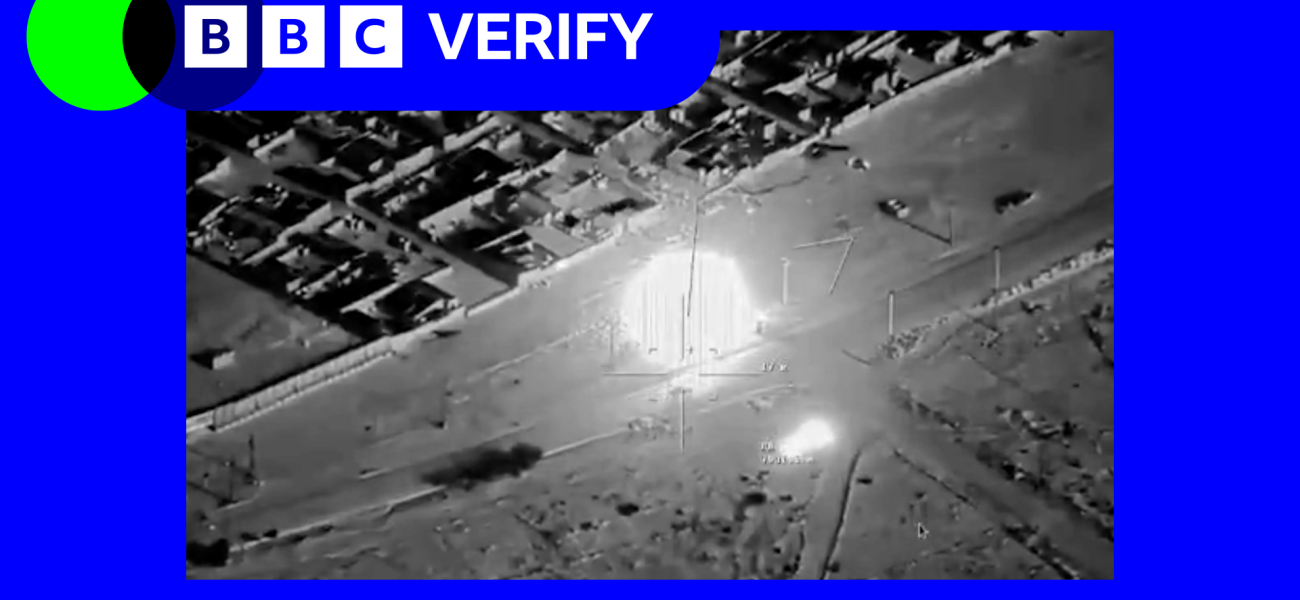
POLICY WIRE — Bamako, Mali — The quiet normalization of private military companies acting as state proxies — instruments of foreign policy shrouded in plausible deniability — has long been a disturbing undercurrent in global geopolitics. Now, in Mali’s arid, conflict-ridden expanses, that undercurrent has visibly erupted into the skies. Recent, compelling footage hasn’t just suggested; it has shown Russian paramilitary forces, operating with brazen impunity, executing aerial bombardment missions against advancing rebel elements. And this isn’t merely an advisory role; it’s direct kinetic action, reshaping the very calculus of sovereignty in the Sahel.
For years, the Malian junta, which seized power in 2020 and 2021 coups, has been systematically — and quite publicly, actually — disinviting its traditional Western partners, particularly France, who’d been bogged down fighting Islamist insurgents for a decade. Their departure created a vacuum, swiftly — and efficiently filled by Moscow’s increasingly assertive presence. We’re not talking about benign aid here, nor diplomatic overtures. We’re talking about a security partnership forged in the shadow of military rule, one that has seemingly traded Western liberal anxieties for Russian transactional efficacy.
The visual evidence, circulating across various platforms and meticulously analyzed by open-source intelligence groups, depicts aircraft — believed to be L-39s or similar light attack jets — engaged in airstrikes on rebel positions in Mali’s northern and central regions. More pointedly, the footage clearly implies the presence of non-Malian, presumably Russian, personnel either piloting these aircraft or directing their operations. It’s a stark, undeniable pivot from mere ground support or training, signaling a deep, operational integration of Russian assets into Mali’s faltering counter-insurgency efforts.
Behind the headlines, this escalation comes amidst a renewed surge by various armed groups, including elements linked to Al-Qaeda and Islamic State affiliates, who’ve seized territory and displaced hundreds of thousands. They’re capitalizing on the confusion, don’t you know, — and the chaotic security transitions. Still, the Malian military, despite receiving significant Russian hardware and training, hasn’t managed to decisively turn the tide, prompting this seemingly desperate gambit of direct foreign air power.
General Sadio Camara, Mali’s Minister of Defense, reportedly shot back at critics, declaring, "Our cooperation with friendly nations is purely for sovereign defense. We don’t ask permission to secure our borders, and we certainly don’t broadcast our tactics." But from Paris, a senior French diplomatic source, speaking on background, voiced palpable frustration. "This isn’t about partnership; it’s about predation. The human cost of these opaque, often brutal, arrangements will eventually overwhelm the fragile stability they purport to offer."
📄 POLICY WIRE WHITEPAPER PUBLISHED: PAKISTAN'S NATIONAL SECURITY POLICY PRIORITIES
👉 READ BY CLICKING HEREAnd those human costs are piling up. Since the Malian junta aligned with Russian paramilitaries, instances of civilian casualties and human rights abuses have reportedly surged. According to the Africa Center for Strategic Studies, Russian private military contractors have been deployed in at least 13 African countries since 2014, with Mali becoming a particularly significant — and bloody — node in this expanding network. This isn’t just about Mali, either; it’s a template for influence. It’s a move that doesn’t go unnoticed in other Muslim-majority nations, many of whom are also navigating complex relationships with global powers. Nations like Pakistan, for instance, frequently find themselves balancing allegiances and seeking security partners beyond traditional blocs, a complex dance perhaps best exemplified by the strategic procurement of military assets that reshape regional power dynamics.
It’s an uncomfortable truth: for Moscow, Mali presents a low-cost, high-reward opportunity to project power, destabilize Western influence, and perhaps secure access to valuable resources. For Bamako, it’s a Faustian bargain, trading long-term strategic autonomy for short-term, questionable security gains — all while international scrutiny intensifies.
What This Means
This visible, kinetic intervention by Russian paramilitaries marks a consequential shift in the Sahel’s already precarious security landscape. Politically, it further entrenches the Malian junta’s reliance on Moscow, effectively sidelining any remaining Western leverage and cementing Russia’s role as a primary security provider in a region critical for counter-terrorism efforts. This deepens a trend seen elsewhere — the realignment of global allegiances, often away from traditional Western spheres of influence. Economically, this dependency typically comes with a price tag beyond overt military contracts, potentially involving concessions for mineral rights or other strategic resources, enriching Moscow while doing little for Mali’s struggling populace. Such opaque arrangements foster corruption and instability, deterring legitimate foreign investment and exacerbating the humanitarian crisis. At its core, Mali is becoming a key battleground in a proxy geopolitical chess match, with its citizens bearing the brunt of every move.