


NM Wildfires Expose Global Disaster Preparedness
New Mexico's Sacaton Fire isn't just a local crisis. Discover how these wildfires reveal critical global policy failures in disaster preparedness & climate change response.

POLICY WIRE — SACATON, N.M. — It’s not just the smoke on the horizon, but the quiet packing of emergency bags. The half-finished morning coffee, now cold. The low thrum of apprehension as a wildland fire redraws the boundaries of normalcy. For residents of Willow Creek, New Mexico, this weary tableau isn’t novel; it’s a recurrent season, a persistent reminder of land management quandaries and the fickle temperament of the climate. We’re talking about life on the razor’s edge, where a lightning strike can unravel well-meaning plans in an afternoon.
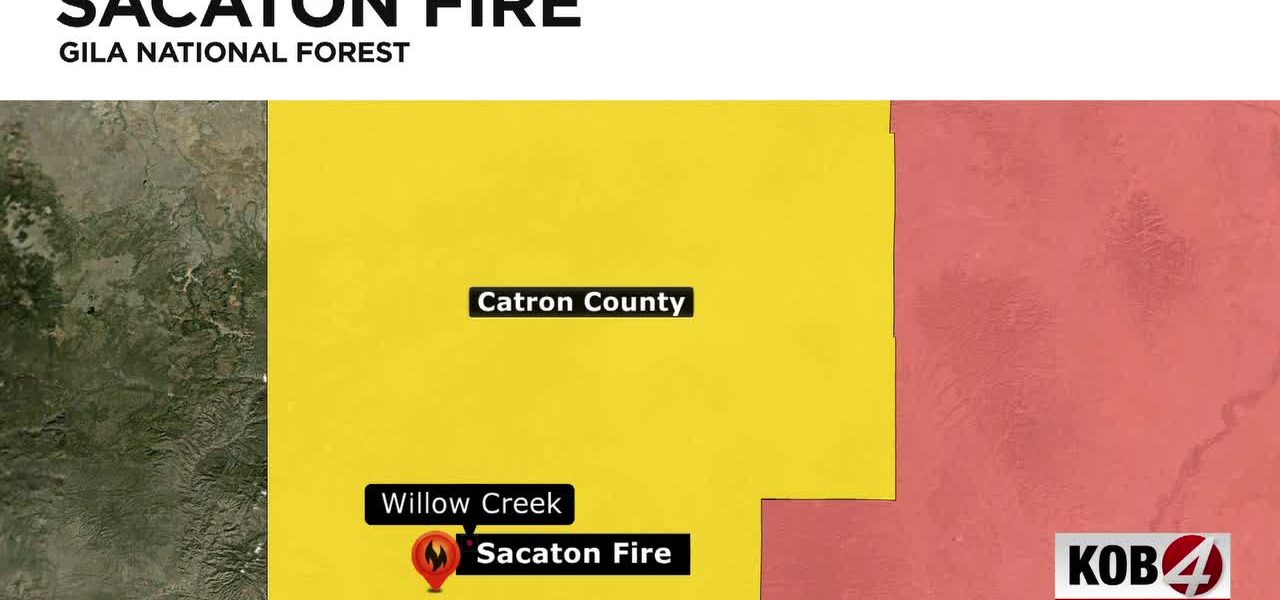
Down in the sun-baked Gila Wilderness, a seemingly remote event – the Sacaton Fire, no less – has spun local affairs into a scramble. The Catron County Sheriff’s Office moved to put Willow Creek on SET evacuation status. And just like that, lives got re-prioritized. No one’s taking chances here, especially not when a blaze stretches across approximately 1,229 acres, a figure confirmed by the Catron County Sheriff’s Office itself, not some anonymous prognostication. That’s a significant chunk of scorched earth.
It’s an ongoing, complex interaction between bureaucratic directives — and brute natural force. Officials said Thursday, July 2, that it made the move in communication with the Gila National Forest because of the fire’s proximity to Willow Creek. Folks aren’t just sitting ducks. Officials said people in Willow Creek should get ready to leave at any moment, make plans for family and pets, pack emergency supplies and follow county emergency alerts and local fire updates. It’s a list. A practical, unsettling litany of tasks you wish you’d never have to contemplate.
But the Gila Wilderness, renowned for its rugged beauty, isn’t immune to a few policies. A forest area closure took effect at 8 a.m. Wednesday, July 1, for National Forest System lands, roads and trails in the Gila Wilderness around Sacaton Mountain because of active firefighting and fire danger. Good thing, too, because fires, you see, don’t respect property lines or hiking trails. They just move.
This particular conflagration, they say, was lightning-caused. The Sacaton Fire was detected Sunday, June 21, in the Gila Wilderness about 3.5 miles west of the Mogollon Baldy Lookout and about 12.5 miles southeast of Glenwood. As of July 1, fire perimeters measured about 1,229 acres with a 50 acre spot fire 1.25 miles to the north. These aren’t just numbers; they’re markers on a map that delineates who gets to sleep in their bed tonight, and who’s packing for an indefinite exile. The inferno stayed active well into the night Wednesday — and spread mainly northeast in the Iron Creek drainage. Its advance now approaches the southwest corner of this year’s Hummingbird Fire, a rather inconvenient neighbor, you’d think.
Responding to this localized, yet immensely personal crisis, three wildland fire engine crews and the Silver City Interagency Hotshot Crew were in the Willow Creek area. More resources had been ordered, which is good. Because fires, they burn. And people, they need help. You’d know this if you’d ever seen a smoke plume. Officials said smoke from periods of moderate fire behavior was visible from the Gila Cliff Dwellings to the east, from Lordsburg to the south, along U.S. Route 180 to the west — and from Quemado to the north. A pall over a significant swath of the state, painting sunsets in apocalyptic hues, a disquieting backdrop to dinner tables.
📄 POLICY WIRE WHITEPAPER PUBLISHED: PAKISTAN'S NATIONAL SECURITY POLICY PRIORITIES
👉 READ BY CLICKING HEREBut beyond the immediate scramble and localized emergency in the American Southwest, there’s a broader, more uncomfortable narrative at play. Look, this isn’t just a U.S. problem. It’s a global symptom. Think about countries like Pakistan, for instance. Just a few years back, they’d experienced monsoon floods of unimaginable scale, displacing millions—a calamity that policymakers and climate scientists universally linked to changing weather patterns. Resources that could’ve been poured into preemptive disaster management, forest conservation, or upgrading emergency infrastructure were often already strained, re-routed for other pressing issues, or simply nonexistent. It’s an economy of triage. You’ve got to make choices.
While the Gila National Forest possesses a structure for managing these events, albeit stretched, many regions across the Global South aren’t so fortunate. The parallels between a rural community evacuating in New Mexico and, say, a village scrambling from rising waters in Sindh, aren’t direct, but the underlying anxieties of neglected communities facing escalating environmental threats—and the policy gaps that permit such vulnerability—they’re striking. You really start to see the bigger picture when you consider the sheer inequity in global preparedness. One’s often seen as an unfortunate natural disaster; the other, an institutional failure.
What This Means
This New Mexico wildfire, like so many others, isn’t just a headline about smoke — and sirens. It’s a policy barometer. What we’re witnessing here is the friction between environmental pressures—specifically, a lengthened and intensified wildfire season—and the often-underfunded, sometimes fragmented, governmental responses. For Catron County, it implies an economic hit, sure, with forest closures affecting tourism — and local commerce. But for residents, it’s the cost of chronic anxiety, the erosion of stability. The psychological toll of living in a perpetual state of ‘SET’ is not trivial. Property values become speculative. Insurance costs skyrocket. It isn’t just fire, it’s financial uncertainty.
Politically, incidents like the Sacaton Fire apply pressure to local, state, — and federal agencies. Questions will inevitably arise about resource allocation, long-term forest management strategies—fire suppression versus prescribed burns, for example—and how adequately emergency services are staffed and equipped. This sort of event always sparks a post-mortem, a public reckoning over whether enough is being done. And with fire seasons getting worse, it puts governments on the hook, demanding greater accountability and forward-thinking mitigation, not just reactive containment. For communities, this means advocacy, pure and simple, if they want more than just [QUOTE_PLACEHOLDER] fire resources from an increasingly constrained budget. Global climate change isn’t some distant academic concept anymore; it’s a direct operational challenge that has profound economic ramifications and keeps a firefighter crew like the Silver City Interagency Hotshot Crew in constant, grueling demand. That’s real policy in action, or, sometimes, the glaring absence of it. We’re in a new age, aren’t we?