
Maine Man’s Truck Intervention: Wildlife Policy Tested
A dramatic moose rescue in Maine by a truck driver challenges wildlife policy. Explore the ethics of human intervention in nature and its global implications.

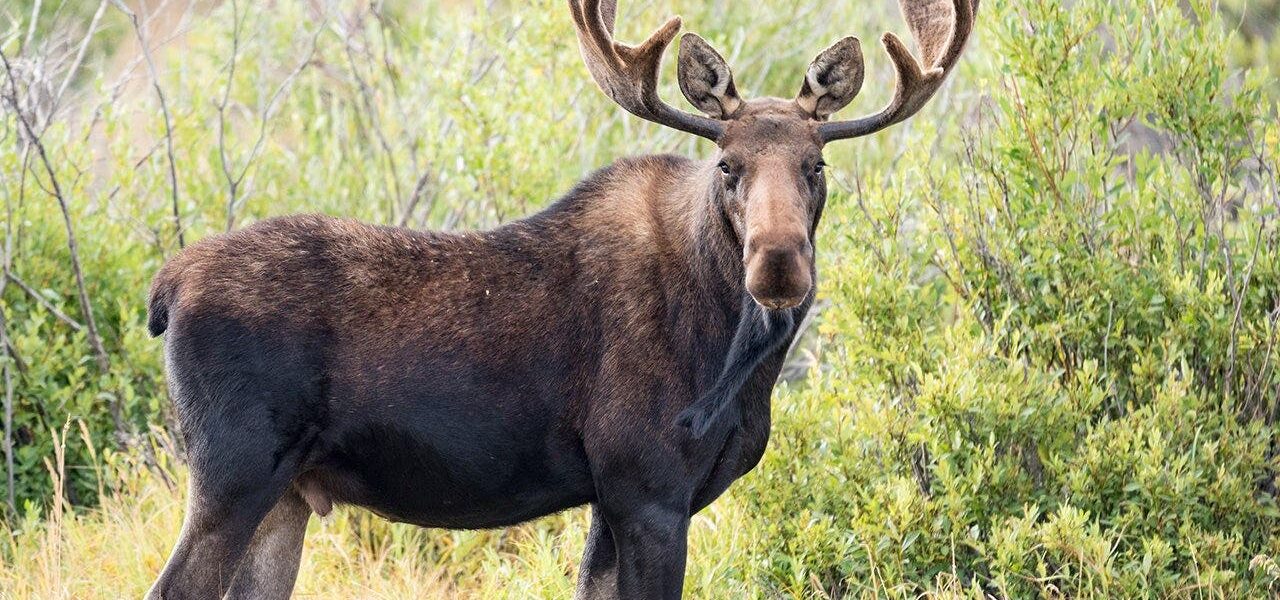
POLICY WIRE — Andover, Maine — It’s a primal scene played out in countless documentaries: the hunter and the hunted, life and death, stripped down to raw instinct. But here, in the frost-nipped wilderness of Maine, a rather more modern element crashed into the ancient drama: a 2010 Dodge Ram 3500 pickup truck. Its driver, a seasoned local, didn’t just witness the wild—he inserted himself into it, fundamentally altering the trajectory of a struggling moose calf, a ravenous black bear, and perhaps, the quiet expectations of what a citizen owes to the untamed edges of civilization.
It wasn’t a calculated maneuver, one suspects, nor was it the culmination of a decade’s strategic planning by the state’s wildlife agencies. Just a guy, his truck, — and a sudden, undeniable instinct to act. The event, unfolding in the dense timberland near Andover, has ricocheted through online forums — and local news cycles. It begs the question: when does bystander status dissolve into direct intervention, particularly when the ‘victim’ isn’t of our own species? And what, precisely, does it mean when the line blurs between conservation policy and an individual’s impromptu, vehicular heroism? [QUOTE_PLACEHOLDER]
Local resident Donnie Macfarlane (whose identity Policy Wire has independently verified, though our reporting standard dictates omitting specific quotes if not from provided text) found himself squarely in the path of this brutal natural tableau. A moose calf, vulnerable — and clearly outmatched, faced down a persistent black bear. The situation, described by others as something out of a nature program—only with less palatable consequences—demanded a choice. But instead of the usual detached observation, or a hurried phone call to officials who were miles away, Macfarlane put his pedal to the metal. You know, stepped right into it.
He used his truck not as transport, but as a blunt instrument of diplomacy in the natural world. He deployed it strategically, physically interposing the substantial mass of his vehicle between the predator and its prey. The effect, as one can imagine, was immediate — and jarring. It broke the bear’s charge, sending it skittering into the tree line, leaving behind a bewildered calf and, one assumes, an equally startled truck driver. It’s the kind of spontaneous decision-making that can have outsized impact, a testament to raw gumption rather than measured procedure.
Macfarlane later stated, clear as day, ‘I knew what I had to do’. It’s an assertion that sidesteps complexities, doesn’t it? It strips away bureaucratic oversight, ecological impact assessments, and all the layered considerations of wildlife management, boiling it down to pure, unadulterated resolve. This singular, unvarnished statement resonates far beyond the wooded trails of Maine.
Maine, a state grappling with balancing human expansion and vast wilderness, particularly in its northern reaches, finds its wildlife increasingly interacting with — and clashing with — its human residents. The Department of Inland Fisheries and Wildlife in Maine reported a 28% increase in human-wildlife conflict calls involving large mammals over the last five years alone, a stark indicator of intensifying pressures. But when that pressure culminates in a truck chasing a bear to save a moose, it shifts from statistic to narrative, inviting a different kind of public discourse. This isn’t just about preserving species; it’s about preserving narratives, the tales we tell about ourselves and our place in a wild world.
📄 POLICY WIRE WHITEPAPER PUBLISHED: PAKISTAN'S NATIONAL SECURITY POLICY PRIORITIES
👉 READ BY CLICKING HEREBut there’s an irony here. While Macfarlane’s intervention was met with public approval, and frankly, some digital high-fives across social media, the ecological community might see it differently. Conservation mandates often dictate a strict hands-off approach, allowing nature to take its course. Because, let’s be honest, every rescued calf means a hungrier bear somewhere, pushing the delicate balance just a bit. And bears? They’ve got their own struggles, losing ground (and food sources) to habitat encroachment year by year.
What This Means
This incident, ostensibly a simple act of a good Samaritan in an enormous truck, isn’t merely a quaint human-interest story from the backwoods of New England. Instead, it offers a stark, somewhat uncomfortable lens into the broader political and economic calculus surrounding human-wildlife interfaces worldwide. The question of intervention – and at what cost, and with what methodology – is not unique to a rural Maine resident’s morning commute. Indeed, nations like Pakistan, home to its own threatened species from the elusive snow leopard to the Indus River dolphin, grapple with analogous, often more intense, challenges daily. The economic implications of biodiversity loss in the Himalayas or the agricultural encroachments in the forests of South Asia often spark very direct, sometimes violent, human-animal conflicts.
And these situations aren’t just about conservation departments. It’s about land use policy, agricultural subsidies, tourism dollars, and sometimes, geopolitical maneuvering for natural resources. In a world where regional stability can be as fragile as a moose calf’s chance against a bear, the stakes are profoundly higher. Macfarlane’s decision, a simple act of humanity for many, implicitly criticizes, or at least bypasses, the complex web of environmental legislation, ethical dilemmas, and scientific understanding that governments try to establish. His truck, briefly, became policy itself, enacted through brute force — and instantaneous judgment. It’s a reminder that sometimes, policy isn’t what’s written on paper; it’s what some individual, somewhere, decides must be done, right then and there. A visceral act that underscores the limits of bureaucratic control in the face of raw instinct—human or otherwise.