


KC Royals’ Independence Day Loss: A City’s Anxiety
Kansas City's July 4th fireworks lit up a dismal Royals loss. Discover how team struggles spark civic anxiety, impacting KC's morale, identity, and economy.

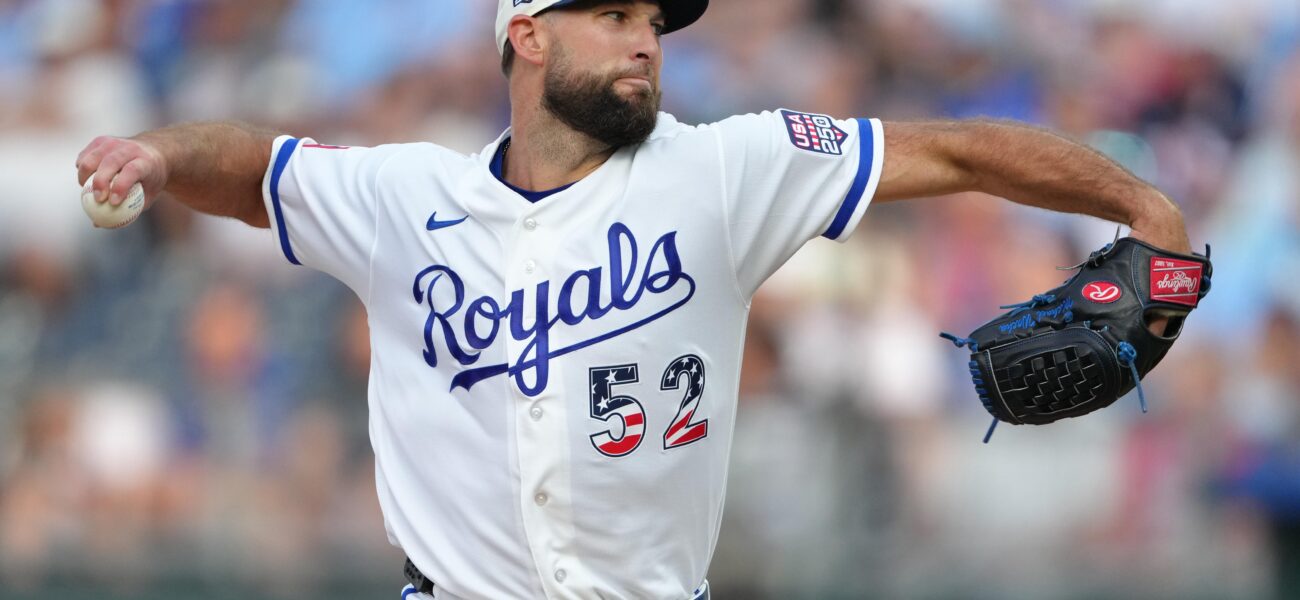
POLICY WIRE — Kansas City, USA — While the night sky over Kauffman Stadium burst into a celebratory cacophony of pyrotechnic glory this Fourth of July, an almost comedic irony unfolded beneath it. A nation, supposedly reveling in its enduring liberties, watched as the Kansas City Royals staged a performance so comprehensively dire, it made one wonder if ‘independence’ also applied to their bats. And yes, the fireworks were louder than the crowd’s enthusiasm—a telling observation, if ever there was one.
It was a 6-1 drubbing handed down by the visiting Philadelphia Phillies, marking the Royals’ fourth straight defeat. The principal architect of this particular Independence Day misery was pitcher Michael Wacha, freshly minted as a 2026 American League All-Star. His debut after the nod? A decidedly un-All-Star-like outing, coughing up four runs on three homers over six innings. Now, he did manage seven strikeouts, bless his heart, but when your squad collectively limps to a mere five hits, records fifteen strikeouts, and doesn’t draw a single walk, your efforts are—how do we put this gently?—diminished. Bobby Witt Jr., himself an All-Star starter this year, went 0-for-4, a particularly hollow note in the night’s discordant symphony.
The Phillies, on the other hand, played with a sort of cold, surgical efficiency. J.T. Realmuto and rookie Gabriel Rincones Jr. launched back-to-back homers in the fourth inning, extinguishing whatever flickering embers of hope still resided in the home dugout. That quickly turned things into an archaeological dig, really. The Royals’ solitary, almost apologetic, run arrived in the bottom of that same inning. Lane Thomas doubled, moved to third, and scored on an infield single from Nick Loftin—a hit that, in its singular brilliance, mercifully ended Loftin’s cringe-worthy 0-for-23 slump. So there was that.
Even the Phillies’ relief pitchers joined the fun, with Jonathan Bowlan striking out three in a row after a leadoff single in the seventh. You almost felt sorry for the fans, but then you remembered it’s baseball; they’ll be back tomorrow. Maybe it was for the best, frankly, that no one seemed to pay much mind to the actual contest, what with the incessant boom and hiss of fireworks exploding throughout the second half of the game. That annual tradition of attempting to broadcast a postgame show directly under the aerial detonations? Pure auditory torture. It’s a baffling decision, year after year, winners or losers, really, on any home Friday game. You’d think someone would realize how awful that sounds.
“We’re looking beyond tonight’s box score, to the longer narrative of this organization,” opined Royals General Manager J.J. Picollo in a recent policy briefing, perhaps forecasting such rough patches. “It’s about building a sustainable product for the community, a roster that embodies the city’s spirit—resilience, hard work.” But you know, spirit doesn’t win pennants, or even, it seems, holiday games. Kansas City Councilwoman Sarah Blake, too, weighed in on the wider implications: “When a major civic asset struggles on such a visible platform, it subtly chips away at morale. Businesses want to invest in winning cities, in vibrant communities. Sports franchises are part of that whole economic picture; it’s an ecosystem, isn’t it?” She’s not wrong.
📄 POLICY WIRE WHITEPAPER PUBLISHED: PAKISTAN'S NATIONAL SECURITY POLICY PRIORITIES
👉 READ BY CLICKING HEREThe continuous, disheartening trajectory of teams like the Royals, despite the occasional individual bright spot, reflects a deeper churn in American professional sports—a dynamic where market size and long-term economic strategies often eclipse the weekly drama of wins and losses. And sometimes, you just gotta wonder if the millions of dollars invested would be better spent elsewhere. Because the enthusiasm for sports isn’t just an American obsession. This widespread passion resonates in every corner of the globe, even as far afield as Karachi or Lahore, where cricket—or the local football league—can provoke passions, arguments, and collective joy or despair just as intensely, but often with significantly fewer zeroes on the team’s balance sheet. Fleeting supremacy, it seems, isn’t just a concern for big market teams. It’s a universal struggle for connection through competition, whether the stakes are financial or purely emotional. But the Royals’ predicament is also about American cities grappling with identity.
What This Means
The chronic underperformance of a city’s sports franchise, particularly one with a history, isn’t just about athletic statistics; it’s a barometer for civic pride and an economic bellwether. While the national pastime purports to unify, a struggling team can exacerbate existing urban anxieties—doubts about growth, investment, and collective identity. The visible decay on the field, especially during nationally televised events like Independence Day, transmits a subliminal message about the broader health of a region. It can deter tourist dollars, diminish local spending, and, perhaps most acutely, erode the civic pride essential for community cohesion. When a publicly supported entity like a sports team fails to deliver, it doesn’t just prompt frustration—it sparks questions about resource allocation, long-term viability, and what exactly a city is buying into. The financial stability of an MLB franchise might appear untouchable, but its social capital is always on the line, especially when the fireworks provide more sparkle than the diamond itself.