

Maharashtra Bakery Arson: India’s Dangerous Slide into Religious Apartheid
On July 30, 2025, a small bakery in Mira Road, a suburb near Mumbai in Maharashtra, was deliberately set on fire but this wasn’t a case of theft, accident, or any typical criminal dispute. The bakery...
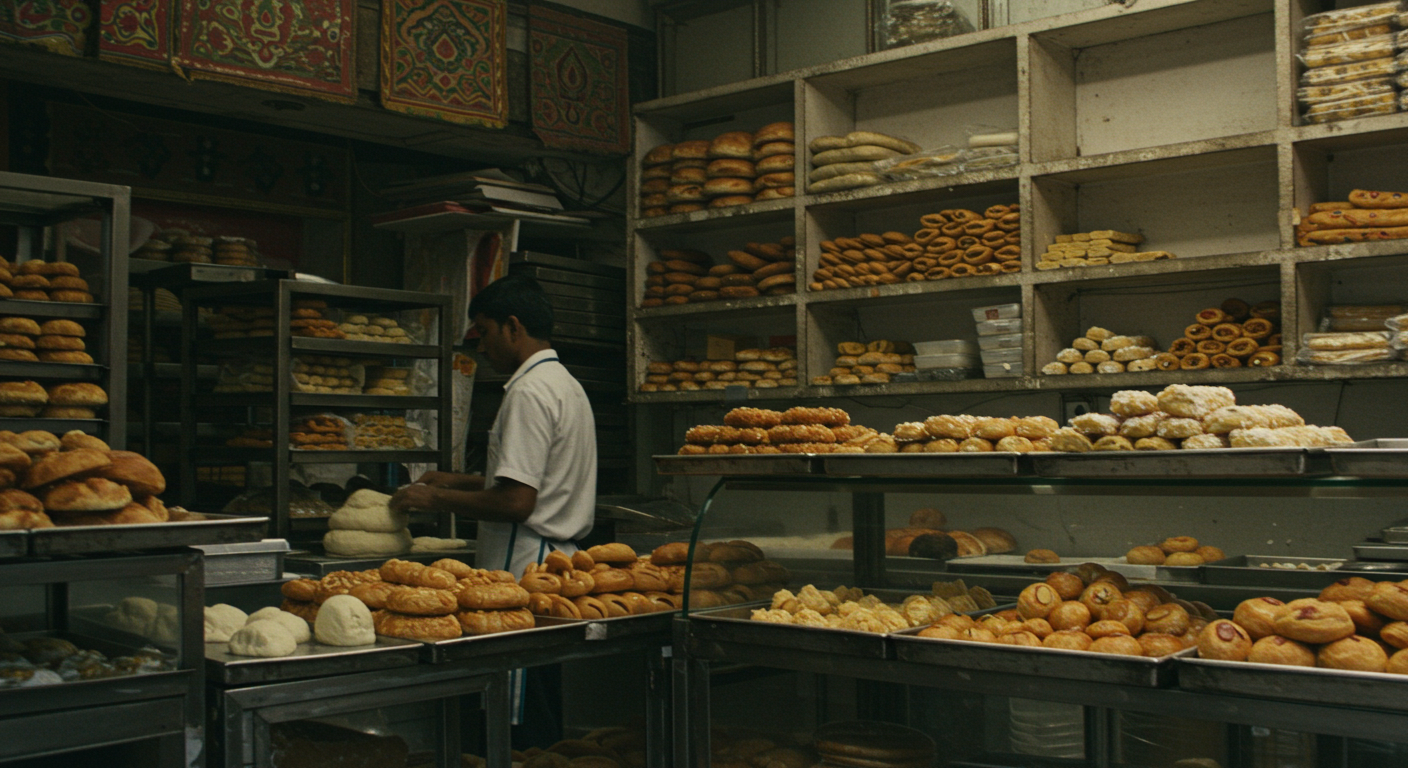
On July 30, 2025, a small bakery in Mira Road, a suburb near Mumbai in Maharashtra, was deliberately set on fire but this wasn’t a case of theft, accident, or any typical criminal dispute. The bakery was burned because its Hindu owner had hired Muslim workers. The fire was lit not just with kerosene, but with the flames of hate, intolerance, and extremist Hindutva ideology, and its smoke now hangs heavy over the idea of India’s secular democracy.
The bakery’s only “crime” was economic inclusion. According to media reports, a video of the Muslim employees working at the bakery went viral. In response, right-wing groups affiliated with the Bajrang Dal accused the owner of hurting Hindu sentiments. They demanded that he fire all Muslim workers. When he refused, his business was attacked and set ablaze. To this day, no one has been arrested.
This was not just arson. It was an open act of social terrorism. A message sent clearly and loudly: Muslims do not belong in India’s economy. Hindu owners who support coexistence will be punished and the police, the very institution that should defend the Constitution, are standing by in silence.
What happened in Mira Road is not new. It is part of a rising pattern of anti-Muslim hatred that is being normalized under the influence of Hindutva. Muslims are being pushed out of public life in India. They are lynched on suspicion of eating beef. They are boycotted during elections. They are labeled “Pakistanis” when they ask for rights. And now, even their right to work, even under a Hindu employer, is being targeted by violent mobs.
This is not the vision of India that was promised in 1947. It is the very nightmare that Pakistan’s creation tried to preempt. Long ago, one of the most chilling warnings given at the time of Partition was this: “Muslims who opposed the creation of Pakistan will spend the rest of their lives proving their loyalty to India.” Today, that warning echoes as a painful reality.
The tragedy of this incident is not only the destruction of a small business. It is the destruction of trust. When employers are threatened for hiring minorities, and workers are unsafe simply because of their faith, then the economy becomes a battlefield. Business becomes hostage to hate. No country can progress when its citizens are policed not by law, but by religion and no society remains democratic when mobs get to decide who can work, where, and with whom.
What makes this worse is the silence of the Indian state. Where is the condemnation from top leaders? Where are the arrests? Why is the government not protecting the rights of its Muslim citizens? This silence is not accidental. It is the result of years of Hindutva-driven politics that has encouraged the public to think of Muslims as outsiders, as enemies, as people whose every action must be monitored.
Under this ideology, coexistence is seen as betrayal. Unity is treated as weakness. And employment itself is now viewed through the lens of religion. What is next? Will hospitals be attacked for hiring Muslim doctors? Will universities be burned for accepting Muslim students? Will Hindus who marry Muslims be labeled traitors and dragged into courts or streets?
📄 POLICY WIRE WHITEPAPER PUBLISHED: PAKISTAN'S NATIONAL SECURITY POLICY PRIORITIES
👉 READ BY CLICKING HEREThis is not just about one bakery. It is about the future of a country that is losing its moral compass. The rise of Hindutva is not the rise of Hinduism, it is its distortion. Hinduism teaches peace, respect, and tolerance. Hindutva teaches hatred, control, and punishment. The two are not the same. And yet, in today’s India, those who speak for peace are labeled anti-national, while those who spread violence are treated as patriots.
India claims to be the world’s largest democracy, but democracy is more than just holding elections. It is about protecting all citizens equally: in courtrooms, in police stations, in schools, and yes, even in bakeries. When the rule of law disappears and mob justice becomes normal, democracy dies slowly, one attack at a time.
The world must take note. International human rights organizations, South Asian scholars, and even India’s own civil society must speak louder. If not now, then when? If a man cannot bake bread in peace without his religion, or his employees’ religion, becoming a target, then what remains of the secular dream?
This fire in Mira Road is not just a local issue. It is a national alarm. The question now is: will India listen before it’s too late? Because if this continues unchecked, Indian Muslims will remain permanent suspects, excluded from both citizenship and survival. And those who once believed in Indian democracy will have to ask: was the promise ever real?
Author