

Machu Picchu’s Uneasy Truce: Global Custodians Offer Help as Stones Crumble
POLICY WIRE — Cusco, Peru — The stones whisper, worn smooth by untold millions of feet. Machu Picchu, Peru’s most recognized crown jewel, isn’t just showing its age; it’s screaming it. For decades,...

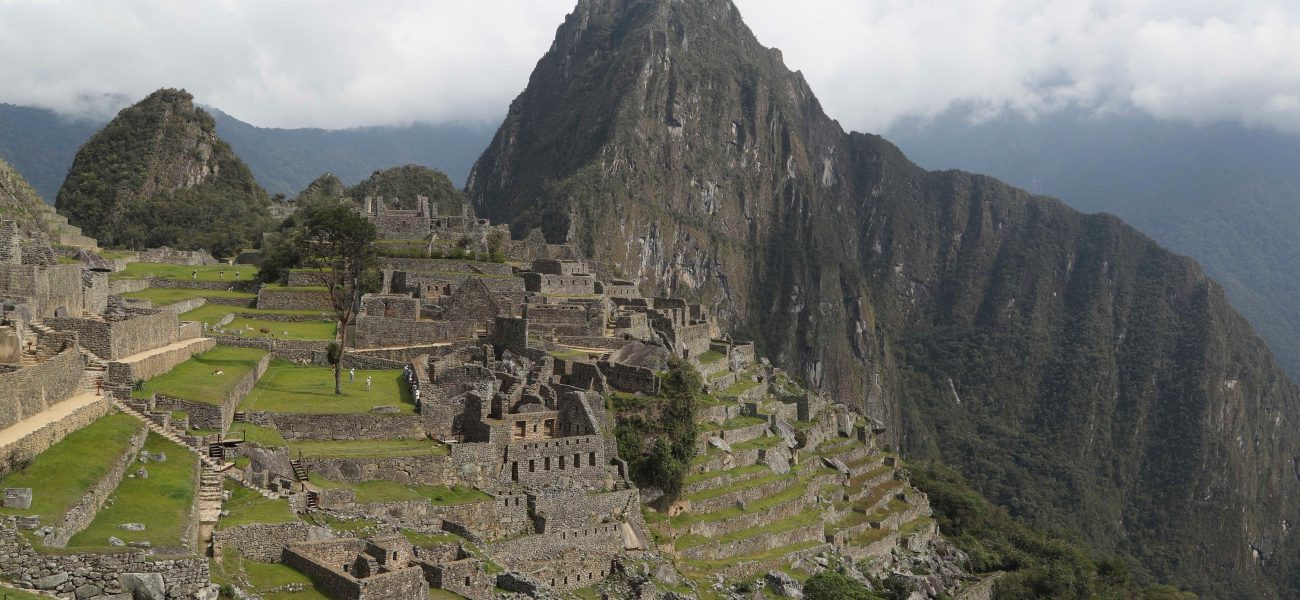
POLICY WIRE — Cusco, Peru — The stones whisper, worn smooth by untold millions of feet. Machu Picchu, Peru’s most recognized crown jewel, isn’t just showing its age; it’s screaming it. For decades, this ancient Inca citadel has been a pilgrimage site for globe-trotters and history buffs, a wonder almost too perfectly preserved. But global adoration—and the sheer human weight that comes with it—is a heavy burden. Now, a prominent global heritage organization has stepped into the fray, extending a cautious olive branch to Lima, offering to help mend what uncontrolled tourism has bent.
It’s less an offer of charity, more a sober acknowledgement of a shared, worsening problem. The site, perched precariously in the Andes, struggles daily under the relentless march of visitors, sometimes exceeding sustainable limits. They’ve tried ticketing schemes, restricted paths, even timed entries. And yet, the throngs arrive. The organization, still unnamed in official dispatches (perhaps to temper Peruvian national pride, or because bureaucrats move at the speed of glaciers), signaled its readiness to collaborate on a “comprehensive sustainability framework.” That’s diplomat-speak for, “Your site’s a mess, and we know how to fix it—if you’d just let us.”
Because that’s the rub, isn’t it? National sovereignty clashing with global responsibility. Peru’s Ministry of Culture, naturally, walks a tightrope. They know the Inca legacy is priceless, but they also know the tourist dollar buys infrastructure, education, and—let’s be honest—electoral goodwill. You can’t exactly just shut down the goose that lays the golden eggs. Juan Carlos Luna, Peru’s Minister of Culture, was tight-lipped but pointed in a recent address. “Look, we’re not blind. The world loves Machu Picchu, — and frankly, our economy depends on it. But we’re also fierce guardians of our past. We’ll take guidance, but Peru calls the shots here.” He’s got to sound tough, right? He’s playing to the gallery at home.
This isn’t some benevolent rescue mission in the mold of ancient explorers discovering ruins; it’s a strategic intervention. The stakes are immense: geological instability, infrastructure strain, ecological damage to a fragile cloud forest ecosystem. Last year alone, a staggering 1.6 million visitors made the trek, a figure that routinely surpasses the 800,000-visitor annual cap recommended by UNESCO for maintaining the site’s structural integrity and environmental balance, according to reports from the Peruvian National Directorate of Culture. Think about that for a second. That’s twice the recommended limit. Double.
And it’s not a uniquely Peruvian headache. You see similar balancing acts playing out in places like Petra, Jordan, where ancient Nabataean facades grapple with modern tour buses, or the complex, ongoing heritage conservation efforts in Pakistan’s Khyber Pakhtunkhwa province, preserving Buddhist and Islamic sites amidst different kinds of pressures. The Muslim world, too, grapples with protecting millennia-old architecture and traditions from both decay and, in many cases, modern conflict or sheer developmental encroachment. The challenge, everywhere, is how to share wonder without destroying it.
Dr. Elena Petrov, representing a global advisory body (who, incidentally, preferred not to be explicitly named for diplomatic reasons), echoed this sentiment, albeit in softer tones. “These sites aren’t just Peruvian; they’re global patrimony. We’re here to help steward them, not dictate. It’s about sustainable longevity, a blueprint for generations yet unborn. And it’s not an easy dance.” No, it’s not. It’s a painstaking waltz between ancient stones — and selfie sticks.
📄 POLICY WIRE WHITEPAPER PUBLISHED: PAKISTAN'S NATIONAL SECURITY POLICY PRIORITIES
👉 READ BY CLICKING HEREThe global group’s proposal isn’t just about fixing crumbling stairs; it’s reportedly holistic, covering everything from managing local economies that depend on tourism to developing more effective waste management strategies for remote highland areas. It means wrestling with local entrepreneurs who want more visitors, and—surprise—dealing with international tour operators pushing for bigger groups. It’s a hydra, really.
But the pressure is mounting. Erosion, infrastructure decay, environmental degradation—these aren’t theoretical threats. They’re happening now, in real-time, beneath every trekking boot — and against every ancient wall. The question isn’t whether Machu Picchu needs help; it’s whether Peru’s political establishment can put aside ingrained suspicion and allow that help to truly manifest before a global wonder becomes just another ruin, beautiful but broken.
What This Means
This engagement, should it truly blossom into full collaboration, reflects a deeper geopolitical trend: the increasing recognition that sovereign borders often don’t contain global challenges—especially when it comes to shared cultural heritage. Economically, effective sustainability plans could ironically stabilize and even enhance long-term tourism revenue for Peru, moving beyond a volume-based model to one emphasizing quality and preservation. Politically, it’s a delicate diplomatic act. Peru will need to project strength and self-reliance while accepting necessary, albeit internationally-driven, guidance. This dance requires deft navigation from both sides, as perceptions of external interference can easily overshadow the best intentions. If successful, it could serve as a pragmatic model for other nations—and heritage sites—struggling with the double-edged sword of global admiration and economic necessity.