

Ancient Stones, Modern Friction: Machu Picchu’s Preservation Becomes a Diplomatic Chess Match
POLICY WIRE — Cusco, Peru — Nobody comes to Machu Picchu for a debate on national sovereignty. They come, largely, for the postcards, for the sunrise shots over terraced peaks, for a brush with an...

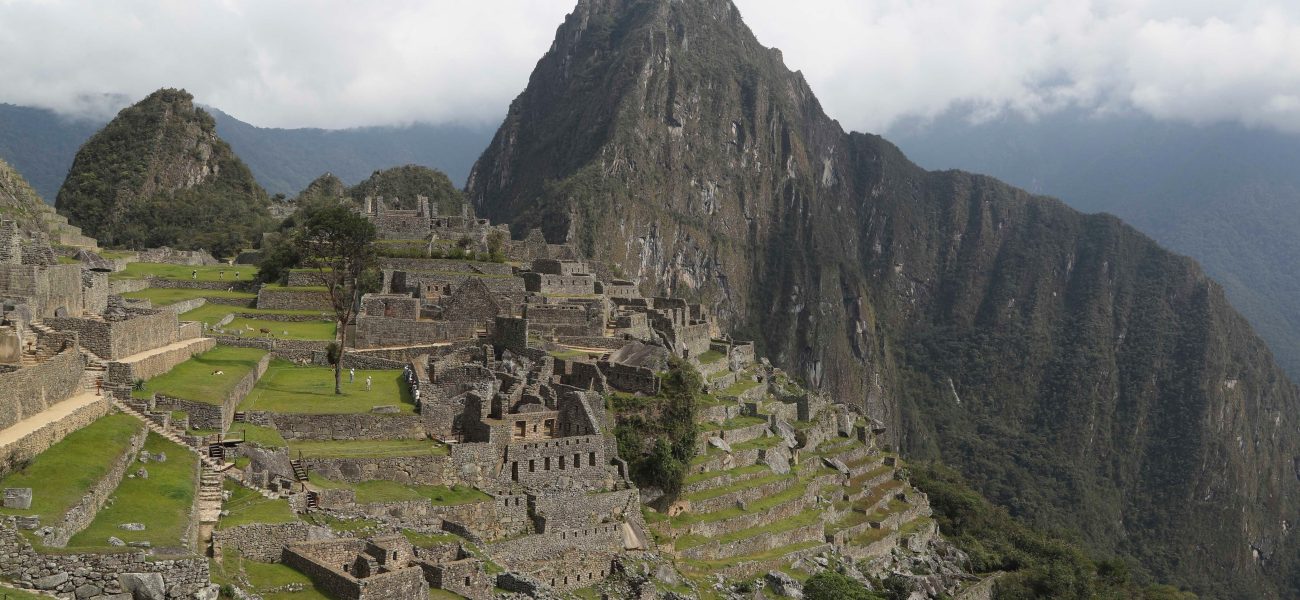
POLICY WIRE — Cusco, Peru — Nobody comes to Machu Picchu for a debate on national sovereignty. They come, largely, for the postcards, for the sunrise shots over terraced peaks, for a brush with an ancient civilization shrouded in mist. But the world’s most famous — and perhaps most photographed — Inca citadel finds itself, once again, at the crossroads of preservation and politics. This time, a major international heritage organization has dangled a proposal, a rather official-sounding offer to help Peru clean up its act, specifically at its crown jewel.
It’s not just about fixing crumbling walls or managing visitor queues; it never is. This particular intervention — by a group that generally keeps a fairly high profile but prefers backroom diplomacy (they’ve certainly been vocal when it comes to archaeological findings, say, in Balochistan, where similar issues of patrimony arise)— feels a bit different. It feels less like a friendly assist — and more like a gentle nudge that, unchecked, could become a rather firm shove. They’re ostensibly offering resources, expertise, and maybe a little bit of external validation for a site that’s already got plenty.
Peru, a nation proud of its history, often views such benevolent offers from global bodies with a characteristic blend of gratitude and wariness. They’re well aware of what it means to control one of Earth’s truly magnetic attractions. But this heritage group, unnamed publicly but known in diplomatic circles, hasn’t just been idly observing. They’ve evidently been doing their homework. They’ve suggested measures ranging from traffic control for the dizzying number of daily tourists (pre-pandemic, tourism accounted for roughly 3.9% of Peru’s GDP in 2019, according to Statista data) to sophisticated erosion control. And that’s a lot.
Because let’s be honest, the romantic notion of Machu Picchu, nestled high in the Andes, belies the hard-nosed economic reality that underpins its existence. Millions visit annually, each leaving a trace, both financial — and environmental. The Peruvian government, through various administrations, has grappled with the sheer weight of its own success there. And you can’t exactly blame them. Balancing revenue streams with fragile cultural heritage? It’s a trick few nations have truly mastered.
And now, with the international community effectively saying [QUOTE_PLACEHOLDER] regarding management, it raises questions about how much control Lima is willing to cede. But here’s the kicker: this heritage group isn’t just offering a few seminars on sustainable tourism. We’re talking about comprehensive, possibly long-term, structural changes. It’s a package deal, not just a friendly suggestion. You can imagine the murmurs in government offices, the inevitable debates about perceived sovereignty.
But then, there’s the other side of the coin. Can Peru really say no to an offer of significant technical and financial backing, especially when global conservation benchmarks are becoming ever stricter? To do so might paint them as uncooperative, perhaps even neglectful in the eyes of their international peers. That’s a diplomatic tightrope few want to walk, particularly a nation that relies so heavily on its iconic landmarks to draw in foreign currency and goodwill. You see this dilemma replicated across developing economies, from the delicate balance in Egypt’s ancient sites to efforts by Pakistani authorities managing the fragile remains of Gandhara civilization, perpetually struggling for adequate international funding and recognition while battling local infrastructure woes. It’s a familiar, frustrating refrain.
📄 POLICY WIRE WHITEPAPER PUBLISHED: PAKISTAN'S NATIONAL SECURITY POLICY PRIORITIES
👉 READ BY CLICKING HEREThe offer wasn’t presented as an ultimatum, of course. It’s an outstretched hand. But sometimes, an outstretched hand comes with invisible strings. And the government is acutely aware of that. They’re navigating complex waters here. They’ve to decide whether external help is a necessary evil or a genuine opportunity.
What This Means
This isn’t just about rocks and tourists; it’s a litmus test for international collaboration in an era where global institutions are flexing their muscles more assertively. For Peru, it’s a direct challenge to its self-determination concerning one of its most potent symbols. Accepting the heritage group’s proposition means ceding some control, potentially opening the door to policies designed far from the Peruvian highlands. Refusing could isolate them, jeopardizing future funding or — worse — provoking a downgrade in global heritage status, which nobody wants to contend with. The economic ramifications are considerable; imagine the dip in tourist numbers if Machu Picchu’s image took a hit due to perceived mismanagement. Then there’s the broader political signal it sends. If Peru accepts external guardianship over such a nationally symbolic site, what precedent does that set for other nations facing similar pressures on their historical treasures?
The situation spotlights the delicate balance between national pride, financial necessity, and global conservation imperatives. It also hints at a broader trend where international NGOs increasingly play a quasi-governmental role, stepping into vacuums created by state incapacity or unwillingness. Their influence on local policy, especially in politically sensitive sectors like cultural heritage, cannot be ignored. Lima’s eventual decision—be it acceptance, negotiation, or polite refusal—will ripple far beyond the Andes, potentially influencing how nations from Southeast Asia to the Mediterranean handle offers of ‘assistance’ with their own treasured, beleaguered landmarks. They’ll all be watching to see how Lima handles this quiet, high-stakes game. And let’s be honest, this dance between perceived charity — and implicit control is a tale as old as diplomacy itself. Just ask about the discussions surrounding foreign intervention and its consequences in New Delhi— it’s often more complex than it appears on the surface.