

Lula’s Brazil Victory Stalls Regional Right-Wing Surge and Challenges Trump’s Influence
Luiz Inácio Lula da Silva wins Brazil's presidential runoff, halting a right-wing trend in Latin America and complicating U.S. diplomatic and trade goals.

POLICY WIRE — Buenos Aires, Argentina — Brazilian voters have effectively halted a regional wave of conservative political momentum, ending a streak of seven consecutive right-wing presidential victories across Latin America over the past 18 months.
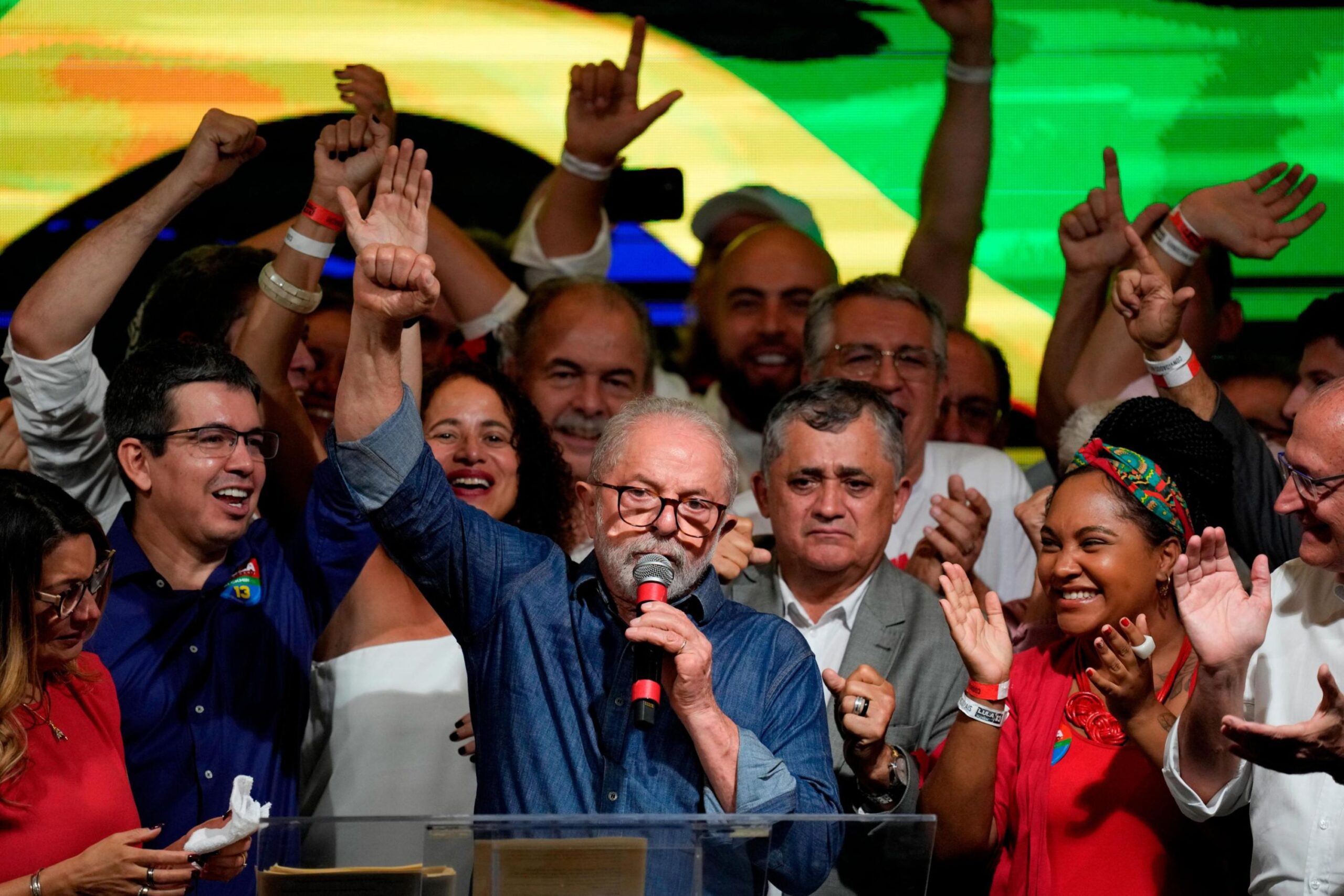
Incumbent President Luiz Inácio Lula da Silva secured a decisive victory in Sunday’s runoff election, capturing 51.8% of the vote compared to 48.2% for challenger Flávio Bolsonaro. This result serves as a significant check on U.S. President Donald Trump’s efforts to consolidate influence in the Western Hemisphere, positioning Brazil as a strategic counterweight to Washington.
The outcome complicates the Trump administration’s broader regional agenda, which has relied on a mix of sanctions, military cooperation, and trade pressure to align South American nations with U.S. interests. While Washington seeks access to Brazil’s critical mineral reserves to bolster its defense industry against Chinese competition, analysts suggest that Lula’s pragmatic approach will likely prioritize national sovereignty and diversified trade partnerships.
Despite the political friction, experts anticipate a period of cautious negotiation between the two nations. With the Bolsonaro family’s influence waning following their second major electoral defeat, the U.S. may find it necessary to recalibrate its diplomatic strategy to engage with a Brazilian administration that remains committed to its traditional policy of nonalignment.
Reporting by Policy-Wire (PW)