

Lincoln Memorial Reflecting Pool Needs Further Repairs Weeks After $14.7M Renovation; Trump Threatened Prison Time for Vandals
POLICY WIRE — Washington, D.C. — Weeks after the completion of a significant $14.7-million US renovation project, the Lincoln Memorial Reflecting Pool on Washin...

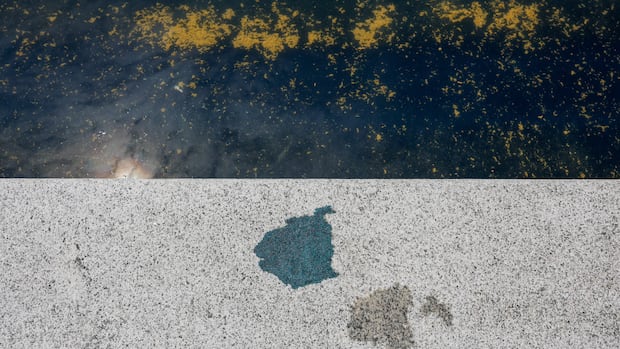
POLICY WIRE — Washington, D.C. — Weeks after the completion of a significant $14.7-million US renovation project, the Lincoln Memorial Reflecting Pool on Washington’s National Mall is slated for further repairs, once again requiring it to be drained. The issue at hand stems from the appearance of algae and peeling paint, a disheartening development following such a substantial investment in the iconic national landmark. (Reporting based on original source material)
This swift need for remediation, just a short period after the multi-million dollar refurbishment, drew a direct and unusually stern response from then-U.S President Donald Trump. He publicly stated a threat of prison time for anyone caught damaging the pool, emphasizing the administration’s resolve against any perceived vandalism or neglect of the nation’s heritage sites.
The Reflecting Pool, stretching over 2,000 feet and set against the backdrop of the Lincoln Memorial and the Washington Monument, is more than just a large body of water. It serves as a potent symbol of American democracy and unity, a place where historic moments, from the March on Washington to presidential inaugurations, have unfolded. Its prominent position and symbolic weight mean any issue, however minor in technical terms, often garners considerable public and political attention.
The recent history of the Reflecting Pool has been marked by periodic maintenance — and significant overhauls. Major renovations are complex undertakings, involving extensive infrastructure work to ensure water quality, structural integrity, and aesthetic appeal. The appearance of algae and peeling paint so soon after a costly refurbishment could signal a number of underlying issues, from environmental factors and chemical balances to the materials used in the renovation itself. The scale of the reported issues suggests that simple surface cleaning may not suffice, necessitating another draining and more intensive work.
President Trump’s forceful remarks highlight the broader political dimension that can attach to issues of public property and infrastructure. The threat of prison time for damage points to a zero-tolerance stance, often seen in debates surrounding civic responsibility and the protection of national assets. This approach suggests a focus not just on repairs, but also on deterrence, aiming to send a clear message about the perceived sanctity of such landmarks.
What This Means
The recurring maintenance challenges at the Lincoln Memorial Reflecting Pool, particularly after a substantial investment, underscore the persistent difficulties in preserving large-scale public monuments, especially those exposed to the elements and heavy public foot traffic. It prompts questions about the efficacy of renovation projects and the long-term sustainability of the materials and techniques employed. For taxpayers, these repeated expenditures can raise concerns about accountability in public spending and the prudent management of national landmarks.
The presidential threat of punitive action against those damaging the pool reflects a broader political discourse on civic duty and the protection of national symbols. While the immediate cause may have been algae and paint, the severity of the President’s warning could indicate a desire to leverage the incident to champion law and order, framing the care of national symbols as a patriotic imperative. Moving forward, the incident could prompt a re-evaluation of how such high-profile public assets are managed, maintained, and safeguarded, potentially leading to increased scrutiny on both preventative measures and rapid response protocols to preserve their condition and symbolic integrity.