
Supreme Court Curbs Rastafarian Inmate’s Right to Sue Over Forced Haircut
POLICY WIRE — Washington D.C., United States — The U.S. Supreme Court on Tuesday delivered a significant setback to a Rastafarian inmate seeking redress for all...

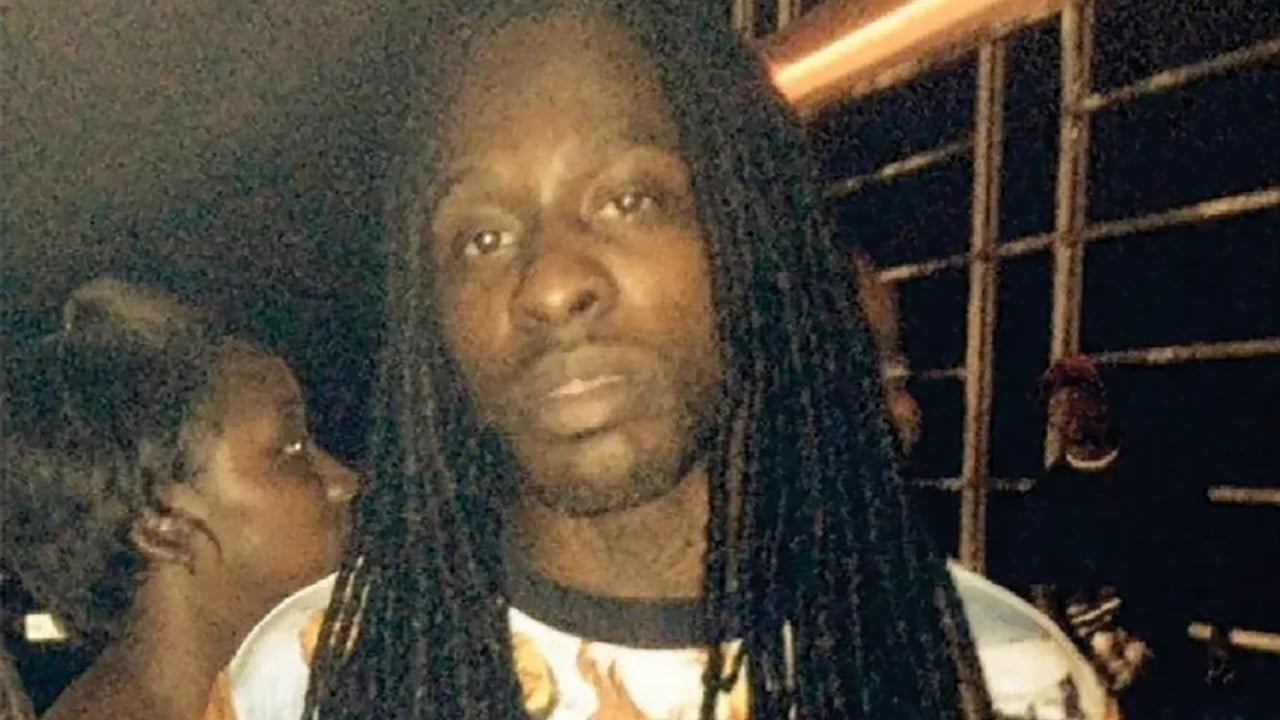
POLICY WIRE — Washington D.C., United States — The U.S. Supreme Court on Tuesday delivered a significant setback to a Rastafarian inmate seeking redress for alleged religious discrimination, refusing to permit him to sue individual state prison officials in Louisiana. The case revolved around allegations that guards forcibly held down and shaved Damon Landor bald, an act his lawsuit contends violated his deeply held religious beliefs.
This contentious decision emerged from a case originally brought under a federal law specifically designed to protect incarcerated individuals from religious discrimination. However, the high court, in a 6-3 ruling powered by its conservative majority, ultimately sided with a lower court’s previous dismissal of Landor’s lawsuit. The core of the ruling rested on the finding that Landor couldn’t sue the individual prison officials involved.
Damon Landor, a follower of the Rastafarian faith, observes the tradition of growing dreadlocks, which are seen as a vital expression of spiritual conviction and identity within the religion. His contention was that the involuntary shearing of his hair constituted a profound violation of his religious freedom, an act of coercion carried out by the very authorities entrusted with his care. The incident, as described in his legal challenge, involved physical restraint by guards during the forced shaving. This practice, known as ‘head-shaving’ in a carceral context, has been a recurring flashpoint in religious freedom disputes across various faiths in American correctional facilities.
The federal law invoked in Landor’s case aims to provide a safeguard for prisoners, ensuring that their religious practices are not unduly burdened or discriminated against by state or federal authorities. Such protections are crucial, recognizing that incarcerated persons retain fundamental rights, including religious freedom, even within the confines of prison walls. However, the Supreme Court’s ruling on Tuesday indicates a tightening of the avenues available for individuals to seek personal accountability from government officials under certain circumstances.
The 6-3 split among the justices highlights the enduring ideological divides within the Supreme Court, particularly on issues touching upon civil liberties, governmental power, and judicial remedies. The conservative majority’s decision to uphold the lower court’s dismissal underscores a judicial interpretation that, in this instance, prioritized limits on the ability to sue individual state actors over the direct remedy for a claimed violation of religious freedom by those actors.
While the court didn’t directly rule on whether the forced shaving itself was a permissible act under the federal law protecting religious discrimination for prisoners, its procedural decision effectively blocked Landor from holding the specific officials accountable through his lawsuit. This judicial maneuver has broader implications for how prisoners, and indeed all citizens, can seek restitution when government officials are accused of violating their rights. The nuance of being unable to sue *individual* officials suggests complex questions around sovereign immunity or qualified immunity, even as a broader state entity might still theoretically face legal challenges.
Legal scholars frequently debate the appropriate balance between protecting state officials from potentially burdensome litigation and providing victims of alleged misconduct with meaningful avenues for justice. Cases such as Landor’s illuminate the practical difficulties faced by incarcerated individuals attempting to navigate the legal system to challenge actions by prison authorities.
What This Means
This ruling from the U.S. Supreme Court sends a clear signal about the scope of remedies available to incarcerated individuals alleging violations of their religious freedoms, specifically when seeking to hold individual officials liable. The decision to shield individual prison officials from a direct lawsuit, even in a case involving an alleged forced shaving in contravention of religious beliefs, effectively narrows one pathway for accountability within the correctional system. While the overarching federal law protecting prisoners’ religious discrimination remains in effect, this ruling suggests a higher bar or alternative routes might be necessary for plaintiffs to successfully pursue damages against specific personnel rather than institutions.
For proponents of prisoner rights, this decision raises concerns about diminished individual accountability for abuses committed within state institutions. It might compel plaintiffs and their legal teams to explore different legal strategies, potentially focusing more on policy challenges or suits against the state entity itself, rather than the actions of individual employees. The distinction drawn by the Court — that a prisoner couldn’t sue the *individual* officials — is a critical point that defines the practical enforceability of the federal religious protection law in such contexts.
This outcome could also influence how correctional facilities address religious accommodations. If individual officers perceive a reduced personal risk of litigation for actions taken, the impetus for ensuring meticulous adherence to religious freedom protocols might shift. Ultimately, the ruling prompts a reassessment of what genuine recourse looks like for a prisoner whose religious practices are directly violated by those in authority, questioning the true effectiveness of protections without clear avenues for individual redress.
(Reporting based on wire dispatches)