


Ukraine’s Tech Advantage: How Silicon Defies Russia
Kyiv's digital strategy redefines warfare. Discover how Ukraine leverages drones, AI, and tech innovation to outmaneuver Russia, reshaping the Eastern Front.

POLICY WIRE — Kyiv, Ukraine — Forget the grand, sweeping tank battles of yesteryear—the sort of lumbering, metal-on-metal slugfests Russia’s generals probably still dream about. We’re in a new age now, where algorithms pack more punch than artillery, and a fleet of nimble, cheap drones can stall an armored division. And that’s exactly where Kyiv aims to win this drawn-out, bloody mess, not with more bodies, but with sharper brains.
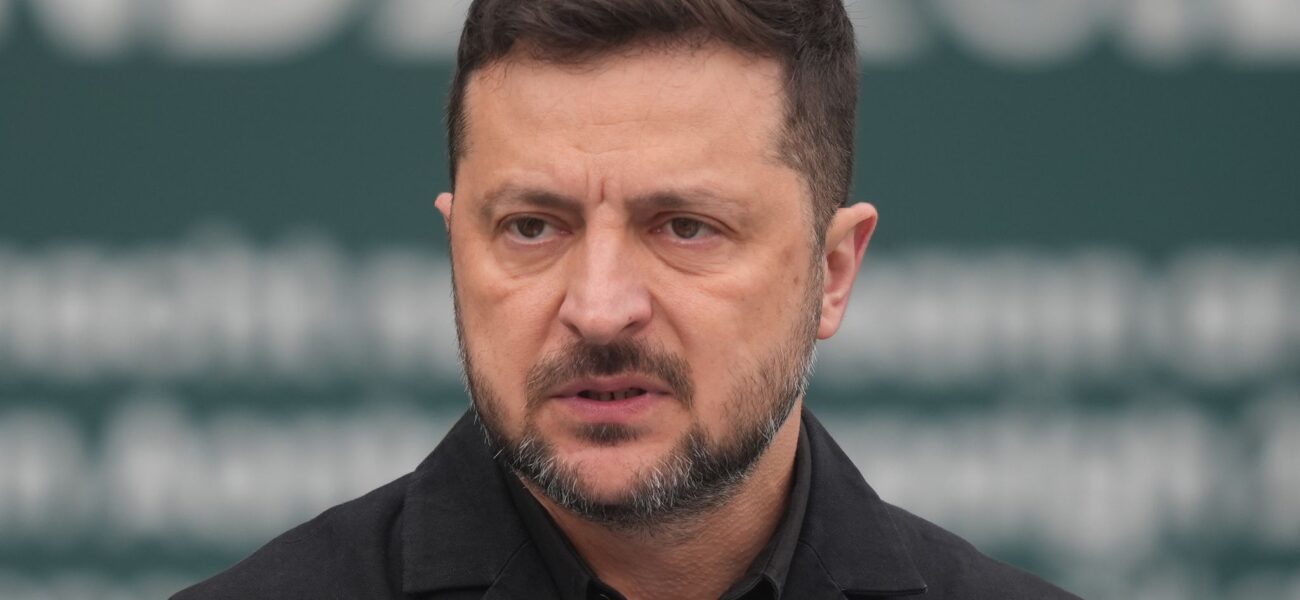
Ukrainian President Volodymyr Zelensky, often a master of morale-boosting rhetoric, recently threw down a gauntlet. He’s convinced, he said, that Ukraine possesses the smarts, the grit—and, let’s be frank, the urgent necessity—to surpass Russia in high-tech armaments over the long haul. It’s a striking ambition, given Moscow’s vast, if often sluggish, defense industrial complex. But Ukraine isn’t aiming for parity in traditional terms; it’s eyeing an entirely different chessboard, one built on digital superiority and rapid innovation.
“We’re not just fighting for our land; we’re fighting for a future where ingenuity trumps brute force,” Zelensky reportedly stated, his voice a blend of steely resolve and defiant optimism during a recent address to a tech summit. “Russia relies on the sheer weight of old iron, on inherited Soviet blueprints. We? We’ll drown them in innovation, in asymmetric answers. Our innovators, our engineers—they’re becoming our new front lines, changing the game with every software update.” He isn’t wrong about the trajectory.
Because, while the West grapples with its slow-rolling production lines for old-school munitions, Ukrainian engineers are hacking together drone swarms, tweaking AI targeting systems, and devising electronic warfare countermeasures—often on shoestring budgets and with an urgency few traditional militaries can match. This isn’t just about survival; it’s about pioneering a new doctrine. They’re running a live-fire laboratory, you see, a cruel one, but potent for rapid development.
This evolving narrative certainly shifts the burden, placing less emphasis on Kyiv begging for F-16s and more on an ecosystem of local tech startups, many bootstrapped, now funneling their code into the war effort. We’ve watched Russia’s attempts at replicating drone tech from abroad—especially Iranian designs—but Ukraine’s proposition is different: homegrown innovation, fostered by sheer necessity, meant to adapt faster than Moscow can copy.
But the practicalities—and the scale—of truly outpacing a nation with Russia’s resources are considerable, to say the least. It requires a sustained influx of Western capital — and expertise, not just aid packages for conventional arms. “While we commend Ukraine’s incredible resilience and capacity for innovation, the pathway to sustained technological superiority demands significant and structured investment,” commented a senior U.S. Department of Defense official, speaking anonymously due to the sensitive nature of long-term strategic projections. “It’s a marathon, not a sprint. We’re seeing exciting breakthroughs, yes, but industrial-scale production and continuous R&D aren’t magic—they’re expensive.” And complicated, when you’re under constant barrage.
That cost is real. A recent analysis by IHS Markit found that global defense R&D spending, largely driven by perceived threats and technological races like this one, is projected to increase by over 8% year-on-year in 2024, pushing toward a staggering $200 billion worldwide. Ukraine’s portion of that will need to grow exponentially, or it will continue to rely on—and shape—foreign investments.
📄 POLICY WIRE WHITEPAPER PUBLISHED: PAKISTAN'S NATIONAL SECURITY POLICY PRIORITIES
👉 READ BY CLICKING HEREEven for nations far removed from the immediate European conflict, this Ukrainian pivot has a profound echo. Consider the situation in South Asia. Countries like Pakistan, keenly aware of regional military imbalances and the persistent challenges of border security, closely observe this dynamic. They’re already pouring resources into their own indigenous drone programs and cybersecurity initiatives, hoping to achieve asymmetric deterrence against more conventional, well-resourced adversaries. The idea that smaller, nimbler forces can achieve strategic objectives through advanced tech—without needing massive conventional arsenals—is an intoxicating prospect, particularly for those with limited budgets. It offers a glimpse, maybe, of a more level playing field, where the Davids aren’t quite so outmatched by the Goliaths.
What This Means
Zelensky’s pronouncement isn’t just a morale booster; it’s a strategic declaration. Politically, it signals a deeper alignment with Western technological philosophies, essentially a divorce from any lingering post-Soviet military thinking. It posits Ukraine as a future tech power, a developer, not just a consumer of arms. This could reshape long-term security architecture in Eastern Europe, reducing Ukraine’s complete dependency on older, slower foreign weapons platforms—and thus, giving it greater agency. Economically, it promises to stimulate an internal tech sector, pulling talent and capital, potentially creating an innovative economy from the ashes of war, much like Israel did with its robust cybersecurity sector born from necessity. The challenge, of course, is attracting enough long-term investment into a war zone, and maintaining security for this sensitive intellectual capital.
But let’s be real: this high-tech arms race could also usher in a more unstable future. Cheap, sophisticated drones, readily available AI, and effective electronic warfare tools might proliferate, making regional conflicts everywhere—from the Middle East to Kashmir—even deadlier, and harder to contain. The strategic game of chess might shift from who has the most tanks to who has the fastest processors. And the ethics? Well, we’re just beginning to grasp the questions posed by truly autonomous weapons on the battlefield. It’s a brave new world they’re building, one byte at a time.