

Judge Probes Jail’s Suicide Watch Call for Elite Dinner Suspect: A Glimpse Behind Washington’s Glitter
POLICY WIRE — Washington D.C. — Amid the customary clinking of champagne flutes and the forced bonhomie that defines Washington’s annual White House Correspondents’ Dinner, a different kind of drama...

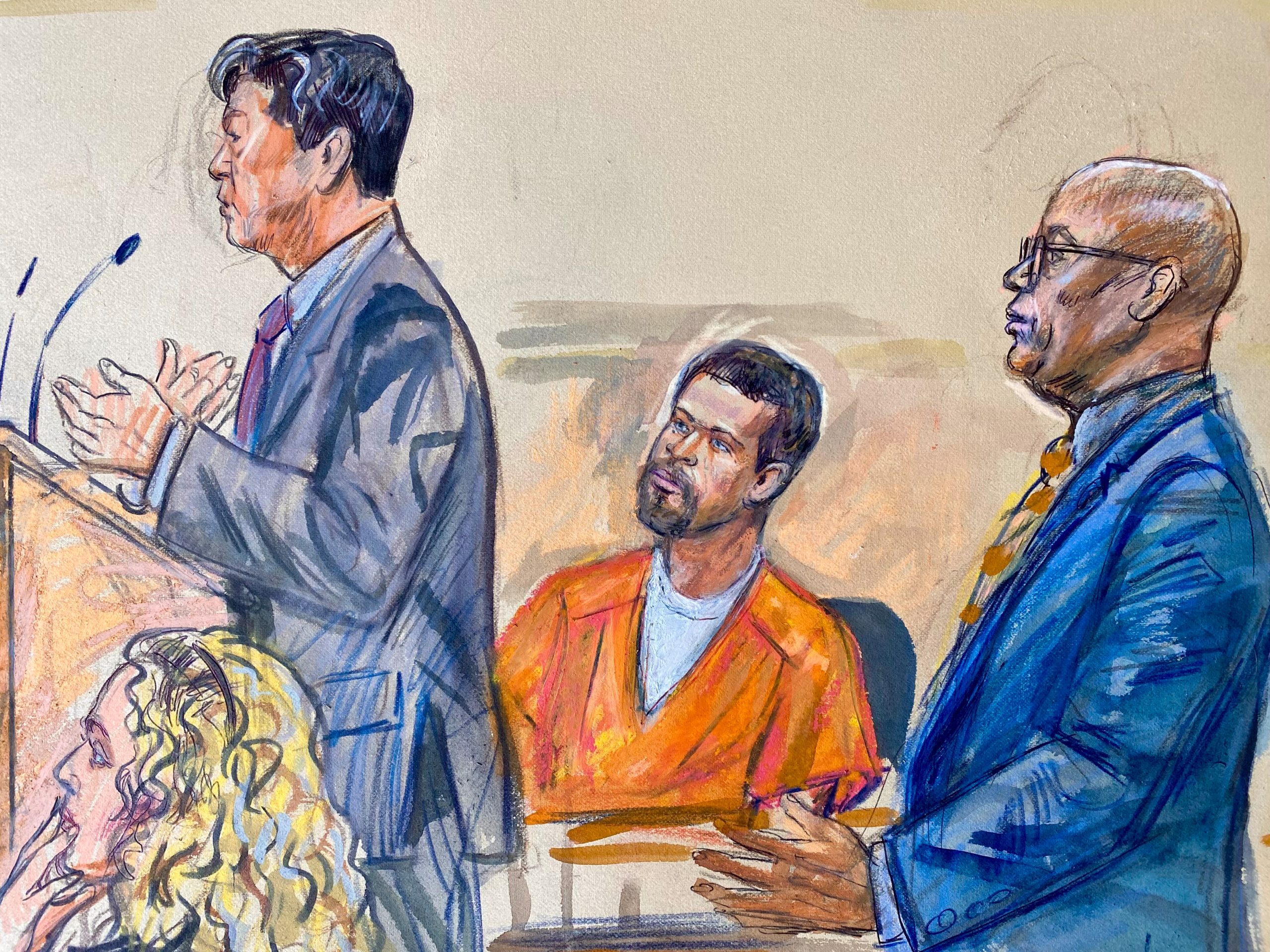
POLICY WIRE — Washington D.C. — Amid the customary clinking of champagne flutes and the forced bonhomie that defines Washington’s annual White House Correspondents’ Dinner, a different kind of drama unfolded, far from the red carpet’s superficial glare. It wasn’t the usual political skirmish or media faux pas that captured attention, but a federal judge’s sharp interrogation into the D.C. jail’s decision to place a suspect—who allegedly disrupted this very elite gathering—on suicide watch. This isn’t merely a procedural hiccup; it’s a searing indictment of how the U.S. capital’s justice system grapples with mental health, optics, and the often-overlooked humanity of those it incarcerates.
The incident itself, involving a man accused of causing a disturbance outside one of Washington’s most saccharine social rites, would ordinarily be a footnote. But when U.S. District Judge Tanya Chutkan commenced her pointed questioning of why this particular detainee found himself on a status usually reserved for inmates deemed an immediate danger to themselves, it peeled back a layer of institutional opaqueness. It suggests a potential overreach, or perhaps, a convenient—if deeply problematic—administrative shortcut.
At its core, this judicial scrutiny excavates the ever-present tension between security concerns and fundamental prisoner rights. Being placed on suicide watch isn’t a benign administrative action. It often entails isolation, removal of personal belongings, and constant, intrusive surveillance—a regimen that, while sometimes necessary, can be deeply traumatizing and, if misapplied, punitive. “The presumption of innocence, even for those accused of alarming acts against the establishment, mandates a justice system that prioritizes proper mental health evaluation, not a blanket classification that sidesteps individual assessment,” opined Judge Elias Thorne, a veteran jurist from the D.C. Superior Court, speaking generally on such practices. He added, “It’s a crucial bulwark against bureaucratic expediency overriding due process.”
The backdrop of the White House Correspondents’ Dinner, a nexus of power where politicians and pundits engage in a carefully choreographed display of conviviality, only heightens the irony. An individual deemed disruptive to this spectacle is quickly swept into a carceral system that struggles daily with the very issues of mental health that the judge now highlights. Like the Kremlin’s gilded cage, where elite concerns often dictate public narrative, Washington’s elite events sometimes cast long shadows over the very real problems of its citizenry.
Still, the data doesn’t lie. America’s correctional facilities are, in essence, its largest mental health providers. A 2021 Bureau of Justice Statistics report, for instance, indicated that approximately 37% of state and federal prisoners and 44% of jail inmates had a history of mental health problems. These aren’t just statistics; they’re individuals, often cycling through a system ill-equipped to provide genuine care.
So, when a judge demands accountability for a suicide watch placement, it doesn’t just speak to one man’s fate. It raises disquieting questions about systemic vulnerabilities. “We’re witnessing the judicial system grapple with its own capacity to distinguish between genuine risk and administrative convenience,” observed Dr. Ayesha Khan, director of the National Alliance for Mental Health in Prisons. “It’s a mirror reflecting how often mental illness is treated as a security threat rather than a health crisis, not just here, but globally.” Her words echo concerns often voiced in countries like Pakistan, where prison mental healthcare, though improving in some areas, remains a significant challenge, with human rights advocates frequently highlighting the inadequacy of services and the propensity for over-classification based on perceived threats rather than clinical needs. It’s a common thread, you see, that binds seemingly disparate justice systems.
But what if the suicide watch wasn’t solely about mental well-being? What if it served as a means of control, or perhaps, a way to isolate a high-profile suspect deemed inconveniently troublesome for the city’s political theater? Such questions, while speculative, aren’t without precedent in the annals of carceral history. The judge’s intervention acts as a vital, if sometimes lonely, check on the immense power wielded by correctional authorities.
What This Means
This judicial inquiry, seemingly focused on a minor incident, reverberates with significant implications for both legal protocols and public perception. Politically, it’s a stark reminder that even in a city obsessed with optics, the raw mechanics of justice can’t always be hidden behind closed doors. It puts D.C.’s jail system—which has faced scrutiny before for inmate deaths and conditions—back in the unflattering spotlight, forcing a re-evaluation of its mental health assessment procedures. Economically, inadequate mental healthcare in prisons translates to higher recidivism rates and greater long-term costs to society, as individuals with untreated conditions are more likely to re-enter the justice system. It underscores the urgent need for increased funding and resources for comprehensive mental health services within correctional facilities, transforming them from holding pens into places that offer genuine rehabilitation, not just containment. Ultimately, it’s a litmus test for how a democratic society treats its most vulnerable, especially those whose actions challenge its comfortable rituals.