


Japan’s Biomass Demand Sparks Deforestation in Indonesia
Japan's surging biomass demand is driving deforestation in Indonesia, threatening forests and Indigenous communities. Environmental groups warn of growing ri...

POLICY WIRE — Islamabad, Pakistan — A surge in Japan’s demand for wood pellets has led to increased deforestation in Indonesia, according to new analysis by environmental organizations. The growth of the biomass industry is raising concerns about its impact on tropical forests, biodiversity, and Indigenous communities.
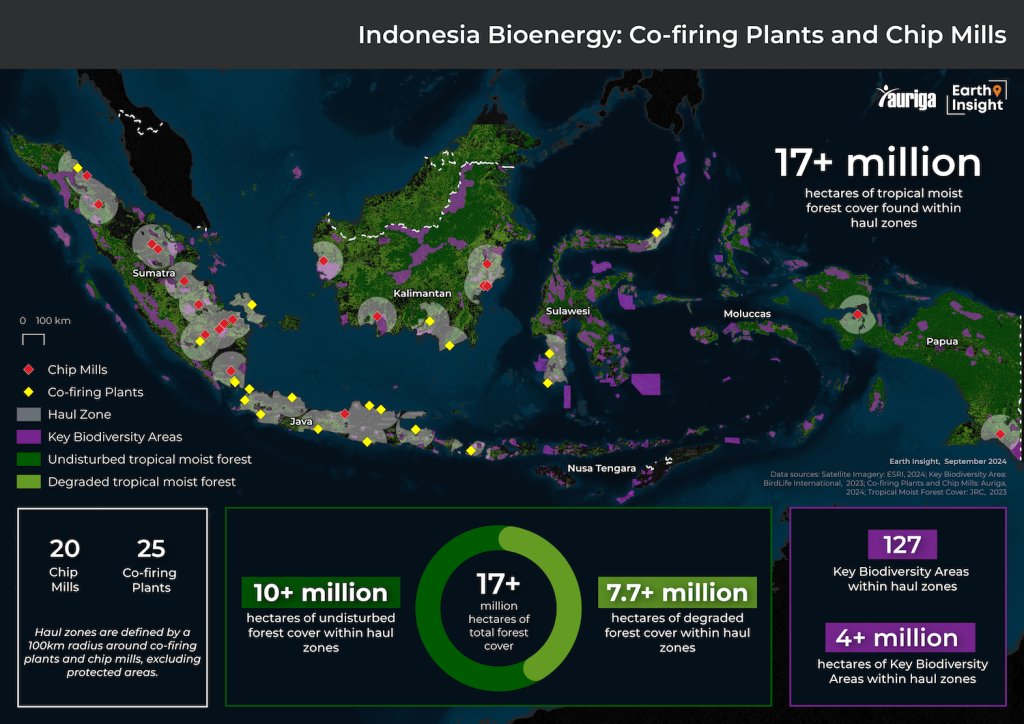
The analysis, conducted by Earth Insight, Auriga Nusantara, and the Indigenous Peoples’ Alliance of the Archipelago, reveals that Indonesia’s biomass production is expanding rapidly, with over 750,000 hectares of natural forest now under concession permits. These areas are being cleared to meet the rising global demand for biomass energy, particularly from Japan, which has become the largest importer of Indonesian wood pellets.
Environmental experts warn that the continued use of biomass as a renewable energy source could lead to further deforestation and harm ecosystems. While some argue that biomass can play a role in transitioning to cleaner energy, critics say it often results in higher carbon emissions than coal and threatens the long-term health of forests. Japan’s government has provided financial support for biomass projects in Indonesia, but loopholes in its policies may allow deforested wood pellets to enter the market.
Reporting by Policy-Wire (PW)