


Japan 7.7-Magnitude Earthquake: Old Videos Falsely Linked Amid Misinformation Surge
POLICY WIRE — Tokyo, Japan — Recent reports indicate a concerning trend where outdated and unrelated video footage is being falsely attributed to the powerful 7.7-magnitude earthquake that recently...

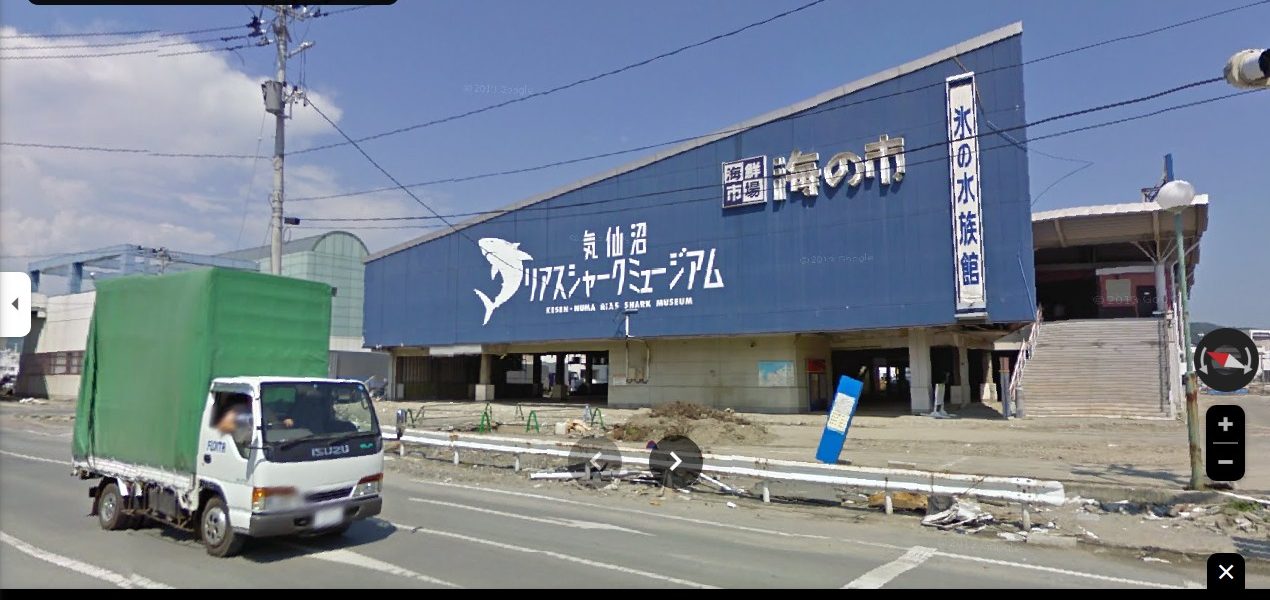
POLICY WIRE — Tokyo, Japan — Recent reports indicate a concerning trend where outdated and unrelated video footage is being falsely attributed to the powerful 7.7-magnitude earthquake that recently struck northern Japan.
The significant seismic event has inadvertently triggered a wave of misinformation across various online platforms, complicating the critical efforts of emergency services and official bodies to disseminate accurate information and manage the unfolding crisis.
The Challenge of Digital Falsehoods in Disaster Zones
Disaster response teams and social media analysts are diligently working to identify and debunk these misleading posts. The erroneous content includes clips from previous earthquakes, both within Japan and internationally, circulating rapidly and contributing to public confusion.
The swift proliferation of unverified material during such sensitive times risks generating undue panic among the populace and potentially diverting essential resources from credible information channels.
Experts emphasize the severe implications of inaccurate information spreading during major natural disasters like large-scale earthquakes. Such falsehoods can obstruct rescue operations, misguide affected communities, and significantly undermine public confidence in official communications.
The management of information flow and the systematic countering of disinformation have become integral to maintaining national stability, a challenge also evident in global initiatives such as Germany’s robust national security strategy to counter aggression.
Verifying Information: A Public Responsibility
Authorities are strongly advising the public to exercise extreme caution and meticulously verify the origin of any videos or images concerning the earthquake before sharing them. Official sources, including the Japan Meteorological Agency and established news organizations, are highlighted as the most dependable channels for up-to-date information.
📄 POLICY WIRE WHITEPAPER PUBLISHED: PAKISTAN'S NATIONAL SECURITY POLICY PRIORITIES
👉 READ BY CLICKING HERE“During periods of crisis, precise information is absolutely vital. We urge all citizens to rely exclusively on official government and trusted news sources and to abstain from circulating any content that remains unverified,” a spokesperson for the National Disaster Management Council stated unequivocally.
The 7.7-magnitude earthquake itself caused widespread tremors throughout a significant portion of northern Japan, leading to immediate tsunami advisories and deep concern across the nation. While the full extent of the damage is still under evaluation, the digital information landscape is already grappling with a substantial influx of deceptive visuals.
Read More: Xi Jinping Urges Saudi Crown Prince on Open Strait of Hormuz Amid Geopolitical Tensions
This incident vividly demonstrates the ongoing struggle against online fabrications, particularly when urgent and emotionally charged circumstances make individuals more susceptible to sharing content without proper critical assessment. A collaborative effort among social media platforms, professional fact-checkers, and the general public is essential to mitigate the adverse effects of such widespread misinformation.