


Jakarta’s Monsoon Gambit: A Desperate Dash to Fill Global Plates Before El Niño’s Wrath
POLICY WIRE — Jakarta, Indonesia — The quiet dread creeping through Indonesia’s agricultural ministries feels a lot heavier than just another looming dry spell. It’s the kind of worry...

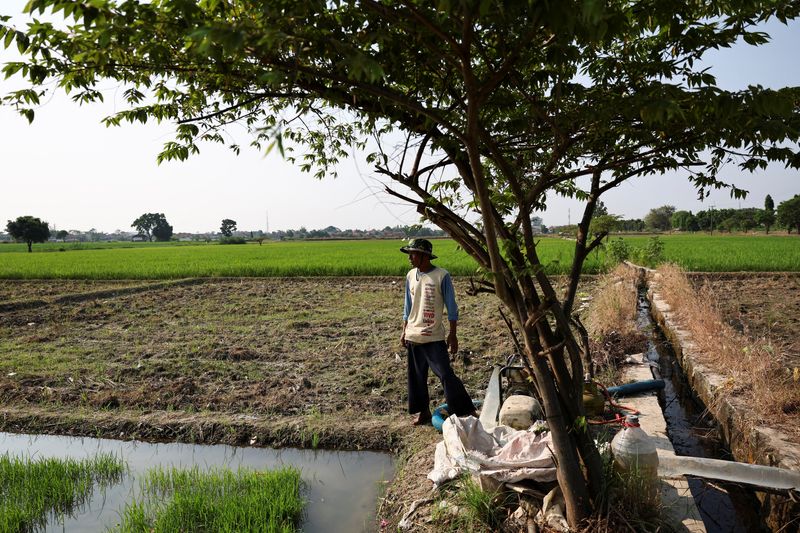
POLICY WIRE — Jakarta, Indonesia — The quiet dread creeping through Indonesia’s agricultural ministries feels a lot heavier than just another looming dry spell. It’s the kind of worry that keeps officials, usually measured in their public pronouncements, talking in hushed tones about food security, or its alarming absence. The nation, a sprawling archipelago often seen as Southeast Asia’s rice bowl, isn’t just bracing for a bad harvest; it’s running a high-stakes, almost desperate, gamble against an old nemesis—El Niño.
See, it’s not some abstract meteorological forecast making folks edgy. It’s the memory. The long, parched months when paddies turned to dust bowls, and the prices of essential grains began their relentless creep upwards—an economic chokehold on millions of households. So, Jakarta’s not waiting for the inevitable. Not this time, anyway. They’re telling farmers, pleading with them, even incentivizing them, to get their rice planted now. Before the El Niño effect, predicted to bring its scorching breath from late July through the autumn, really kicks in.
It’s an audacious move, pushing the planting season forward, defying centuries of agricultural rhythm. But with the stakes this high, a nation of over 270 million can’t afford to dither. They’ve essentially rolled the dice on the early monsoon, banking on just enough rain to get seedlings established before the rains—and rivers—dry up, leaving entire regions thirsting for the lifeblood of their economy. “We’ve seen what El Niño does to us,” declared Andi Amran Sulaiman, Indonesia’s Agriculture Minister, his voice tight with resolve during a recent press brief. “Our strategy isn’t just proactive; it’s our only real option against potential famine.”
This isn’t just some local inconvenience. Oh no. Indonesia happens to be the world’s third-largest rice producer, a crucial cog in the global food supply chain. Any hiccup here sends shivers through commodity markets far — and wide, from Manila to Mumbai. And this early push? It’s a calculated risk against significant headwinds.
But the numbers don’t lie. According to a recent analysis by the World Bank, global rice prices have climbed by an uncomfortable 17% in the last six months alone, driven largely by export restrictions and mounting climate anxieties. The impending El Niño event threatens to compound this pressure, making rice, that most fundamental of staples, a luxury for millions across Asia. This phenomenon isn’t lost on observers outside the region, either.
“When Indonesia coughs, the global rice market catches a cold,” offered Dr. Saleem Khan, a food security analyst specializing in South Asia, speaking from Islamabad. “A production shortfall there directly impacts the stability of prices in Pakistan and India, which themselves are wrestling with volatile monsoon patterns. It creates a ripple effect—rising costs, increased food insecurity, and ultimately, a broader challenge to regional stability, especially for populations already facing economic hardship. It’s not just about what’s on the plate; it’s about peace.”
So, the pressure’s on the Indonesian farmers. They’re planting early varieties, hustling to maximize the current wet window. The government’s even pulling out subsidies — and support, desperate to keep the initiative on track. Because if this pre-emptive strike fails, if El Niño proves too potent, the fallout won’t be contained to Sumatra or Java. It’ll hit everywhere that relies on Asian rice, impacting kitchens and household budgets from Dhaka to Cairo, in what feels like an increasingly interconnected and fragile food ecosystem. More details on Asia’s race against climate impacts can be found here.
What This Means
This desperate sprint by Jakarta is a pretty stark indicator of how climate change, amplified by natural cycles like El Niño, is morphing from a slow-burn environmental problem into an immediate, pressing economic and geopolitical threat. If Indonesia’s gamble pays off, we might just avert a catastrophic surge in rice prices, giving vulnerable nations—many in the Muslim world like Pakistan, Bangladesh, and Egypt—a temporary reprieve from skyrocketing import costs and potential domestic unrest. It buys time, not salvation.
But if it fails? Well, you’d better start getting used to higher grocery bills. The knock-on effect of a major food producer facing a crisis will mean every country, especially those reliant on imports, has to dig deeper into its coffers just to feed its people. And it’s not just about food. Shortages can trigger political instability, population displacement, — and complicate existing humanitarian crises. The success or failure of Indonesia’s early planting drive isn’t just an agricultural story; it’s a bellwether for the global economy and, let’s face it, for basic human tranquility in a good chunk of the world. Because for a large portion of humanity, a good day starts with rice. And an empty pot? That’s a very different story.