
Istanbul Summit Shows Peace is Still a Battlefield
On June 2, 2025, peace talks between Russia and Ukraine took place in Istanbul. This was the second direct meeting between the sides in recent months. The meeting lasted just over an hour. There was...
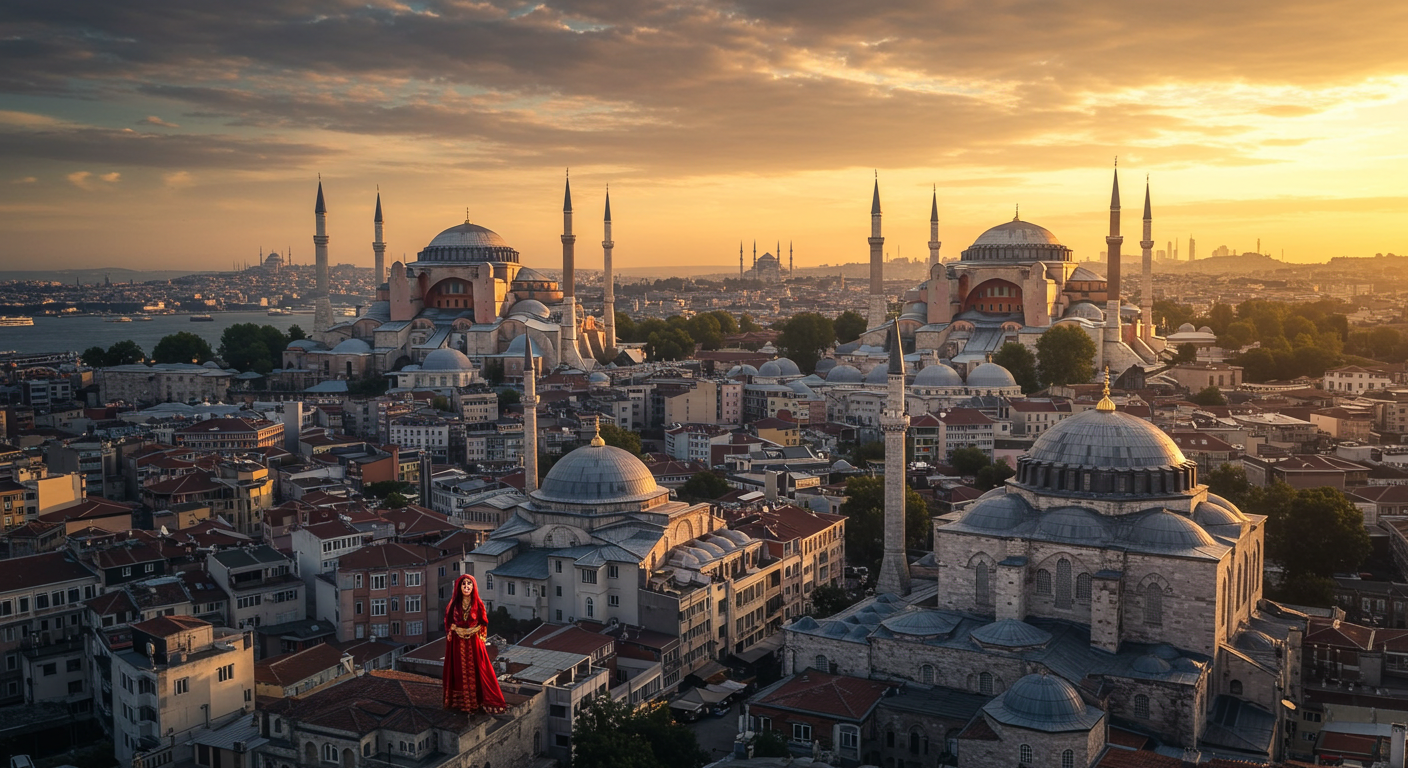
On June 2, 2025, peace talks between Russia and Ukraine took place in Istanbul. This was the second direct meeting between the sides in recent months. The meeting lasted just over an hour. There was no agreement on a ceasefire, and no breakthrough happened. Still, the talks were not completely useless. Both countries agreed to exchange prisoners and started discussions on returning the bodies of dead soldiers and bringing back children separated by the war. But outside the meeting room, the war was still going strong. Missiles were flying, drones were crashing into targets, and the violence continued. It was clear that the distance between war and peace was still very wide.
Some Progress, But Big Problems Remain
The main result from the talks was humanitarian. Ukraine’s President Volodymyr Zelenskyy announced that both sides would exchange 1,000 prisoners of war. They also discussed exchanging another 200 in the future. The exchange will focus on sick, injured, and young soldiers aged between 18 and 25. Ukraine also gave Russia a list of nearly 400 children who were reportedly taken from Ukrainian areas and sent to Russia. Russia agreed to work on the return of only 10 children. Ukraine’s Defense Minister Rustem Umerov said returning these children is a top priority. But Russia’s team, led by Vladimir Medinsky, gave only a short answer, saying they had received the list.
At the same time, the bigger issues, like occupied land and control of territories, were hardly discussed. Russia gave Ukraine two proposals for a ceasefire. One of them asked Ukraine to leave four regions: Donetsk, Luhansk, Kherson, and Zaporizhzhia. These are areas that Russia said it had annexed in 2022, even though it never fully controlled them. The second proposal from Russia was vague and unclear. Ukraine refused both, calling them unfair and unrealistic. Instead, Ukraine offered a one-month ceasefire with no conditions. Russia rejected this offer as well. Zelenskyy, speaking from Lithuania, asked the international community to increase sanctions on Russia if it continued to delay peace. Umerov said Ukraine would study Russia’s proposals over the next week and suggested that the next round of talks could happen between June 20 and June 30.
Drones Speak Louder Than Diplomacy
A day before the Istanbul talks, Ukraine launched a powerful drone attack called “Operation Spiderweb.” It targeted four Russian air bases, including one deep in Siberia. Ukraine used trucks disguised as normal vehicles to transport and launch 117 small attack drones (called FPVs) from inside Russian territory.
Ukraine said that 41 Russian military planes were damaged or destroyed. These included large bombers like the Tu-95 and the Tu-160, which are used by Russia to launch long-range missile attacks. The total damage was estimated at around $7 billion. More than the money, the real damage was strategic. These bombers are key tools for Russia to attack Ukrainian cities. By taking them out, Ukraine reduced Russia’s ability to strike from a distance.
Ukraine’s Prime Minister said, “This operation proves that technology can change the game, We are not just defending ourselves. We are weakening our enemy’s ability to continue the war.”
Russia Strikes Back
Russia replied with massive force. Within 24 hours, it launched over 470 drones and missiles at Ukrainian cities. Ukraine’s air defence systems managed to stop 385 of them, but the remaining ones caused serious damage. Several cities were hit hard. Energy systems and civilian areas were affected, making life even harder for people already suffering in war zones. These attacks showed how little the peace talks influenced the actual war. Instead of calming down, the violence became worse. It seems both sides are still trying to win through force rather than through compromise.
Talks of a Bigger Summit
Despite the lack of progress, Turkey’s President Recep Tayyip Erdoğan suggested a bigger meeting, a direct summit between Presidents Zelenskyy and Putin. He even offered Istanbul or Ankara as the host city. He also mentioned the idea of including former U.S. President Donald Trump as a mediator. Ukraine liked the idea. Zelenskyy and his defence team believe that only the top leaders can make real peace. Ukraine also said it would be open to U.S. participation in future talks. But Russia has not responded to the idea. President Putin has not shown any interest in attending such a meeting. Instead, he continues to send lower-level officials to handle negotiations.
Last month, Zelenskyy invited Putin to meet him in Ankara. Putin never replied.
What This Means
The Istanbul meeting showed the real problem in this war, both sides are still fighting harder while also talking about peace. Russia wants to control land it doesn’t fully own. Ukraine refuses to give up territory and is getting stronger support from Western countries. Neither side is ready to make big compromises. This is not just about land or borders anymore. The war is also about independence, national identity, the future of Eastern Europe, and the power structure that came after the Soviet Union collapsed. Each drone strike, each round of talks, and each diplomatic message shows just how complex this war has become.
Conclusion
The talks in Istanbul brought some small steps in the right direction, like prisoner swaps and child reunions, but failed to move closer to peace. As long as the war continues alongside the diplomacy, peace will remain weak, slow, and uncertain. If both sides and their international partners do not accept that military victory is unlikely, then talks will stay secondary to weapons. For now, it’s not the diplomats who are leading the way, it’s the drones.
Author