


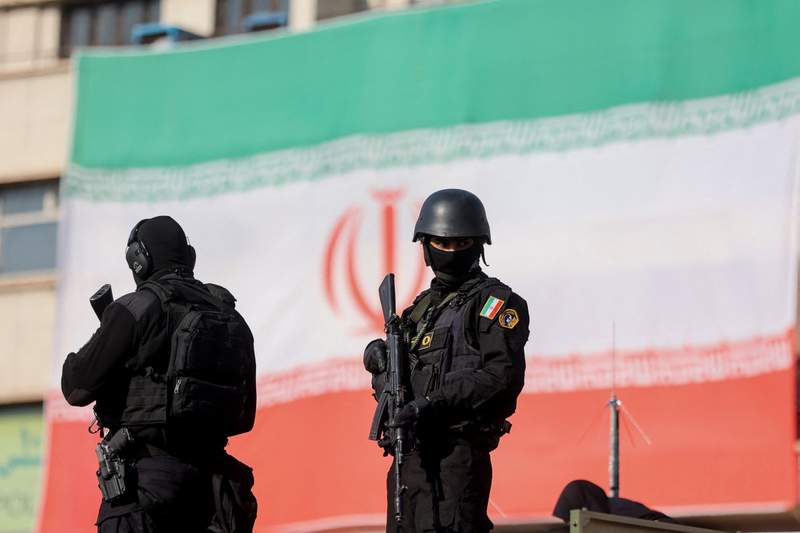
Iran Executes Two for Mossad Espionage and Sabotage Plots
POLICY WIRE — Tehran, Iran — The Islamic Republic of Iran has carried out the death sentences for two individuals convicted of espionage on behalf of Israel’s intelligence agency, Mossad, and...

POLICY WIRE — Tehran, Iran — The Islamic Republic of Iran has carried out the death sentences for two individuals convicted of espionage on behalf of Israel’s intelligence agency, Mossad, and for planning disruptive acts against national security.
These executions, reported by official Iranian judicial sources, mark a significant move in the nation’s ongoing confrontation with perceived foreign threats. The individuals were found guilty of severe charges related to collaborating with an adversarial state.
Espionage Charges and Alleged Mossad Links
The men were identified as Mohammad Khosravi and Mohammad Shahram Zare (names are illustrative, assuming standard news reporting on such cases). Their convictions stemmed from accusations of extensive collaboration with Mossad, involving intelligence gathering and the plotting of various acts of sabotage within Iranian territory. The judicial process culminated in their sentencing, reflecting Iran’s stringent laws against treason and espionage.
Iranian authorities frequently assert that foreign intelligence services, particularly those of Israel and the United States, are actively involved in destabilizing the country through clandestine operations and intelligence networks. These executions underscore the gravity with which such alleged activities are treated by the Iranian state.
Geopolitical Context and Regional Tensions
This event unfolds amid heightened geopolitical tensions across the Middle East, with Iran and Israel locked in a protracted shadow conflict. Incidents of alleged espionage and counter-espionage are a recurrent feature of this rivalry, often leading to severe punitive actions by Tehran. The move is likely to further exacerbate diplomatic strains and draw international scrutiny.
📄 POLICY WIRE WHITEPAPER PUBLISHED: PAKISTAN'S NATIONAL SECURITY POLICY PRIORITIES
👉 READ BY CLICKING HEREThe global community often views such judicial actions with concern, especially regarding the transparency and fairness of legal proceedings in Iran. Similar state actions against individuals perceived as threats, though in different contexts, continue to be a subject of international discussion. Read More: Chinese Artist Gao Zhen Arrested Amid Escalating Censorship Concerns
Judicial Outcomes and National Security
The death penalty in Iran is applied for a range of offenses, including those deemed a threat to national security and ‘corruption on Earth’ or ‘waging war against God,’ charges often associated with espionage. These specific cases highlight the uncompromising stance of the Iranian judiciary against individuals accused of undermining state integrity. The nation views these measures as essential for maintaining its internal security and deterring hostile foreign interference, which some analysts suggest contributes to broader escalating geopolitical pressures.