


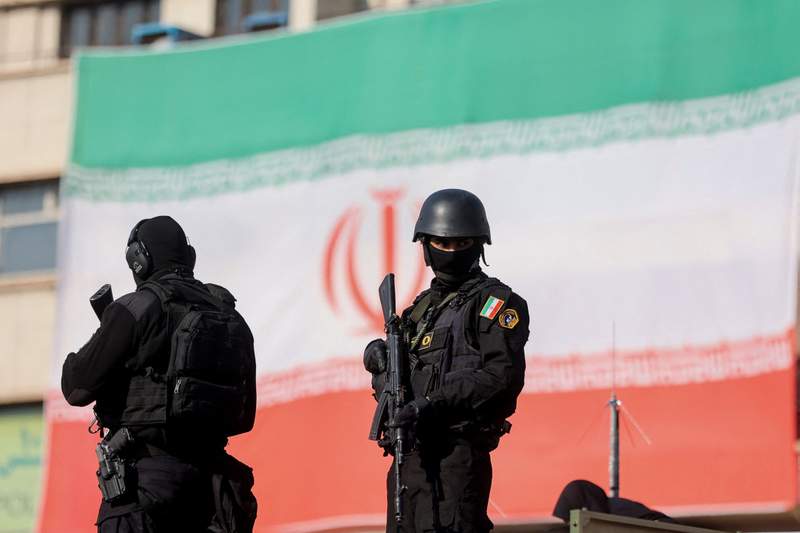
Iran Executes Two Convicted of Mossad Espionage and Attack Plots
POLICY WIRE — Tehran, Iran — Iranian judicial authorities have confirmed the execution of two men found guilty of spying for Israel’s intelligence agency, Mossad, and orchestrating acts of...

POLICY WIRE — Tehran, Iran — Iranian judicial authorities have confirmed the execution of two men found guilty of spying for Israel’s intelligence agency, Mossad, and orchestrating acts of sabotage against the Islamic Republic.
The individuals faced capital punishment after being convicted on serious charges, including collaborating with foreign intelligence services. Their sentences were carried out following a legal process that concluded with their condemnation for actions deemed a threat to national security.
Allegations of Espionage and Security Threats
Official statements allege the men were engaged in comprehensive intelligence gathering and the preparation of hostile operations within Iranian borders. The accusations specifically detailed their purported extensive ties to Mossad, Israel’s foreign intelligence agency, presenting them as key players in a foreign-backed conspiracy.
This development unfolds against a backdrop of enduring significant tensions between Iran and Israel, where both states routinely accuse each other of clandestine operations and efforts to destabilize the region. The executions emphasize Tehran’s uncompromising posture regarding perceived challenges to its sovereignty and domestic stability.
Read More: German Industrial Growth Forecast Slashed Amid Escalating Geopolitical Pressures
📄 POLICY WIRE WHITEPAPER PUBLISHED: PAKISTAN'S NATIONAL SECURITY POLICY PRIORITIES
👉 READ BY CLICKING HEREJudicial Processes Under Scrutiny
Such severe state responses to alleged espionage are not uncommon in the Middle East’s intricate geopolitical environment. The judicial system in Iran frequently implements capital sentences for offenses categorized as espionage, terrorism, and other grave national security breaches.
International human rights bodies consistently express reservations concerning the transparency and equity of these proceedings. These concerns often parallel broader international discussions around state actions and governance, including situations where individuals face escalating censorship concerns in various countries.