

Iran Defends Its Sovereignty against Israeli Attacks
As night turned into a tense morning, shooting from Iran and Israel lit up the skies above West Asia. This conflict has changed from being secret to being open. Recent events show that Iran has...

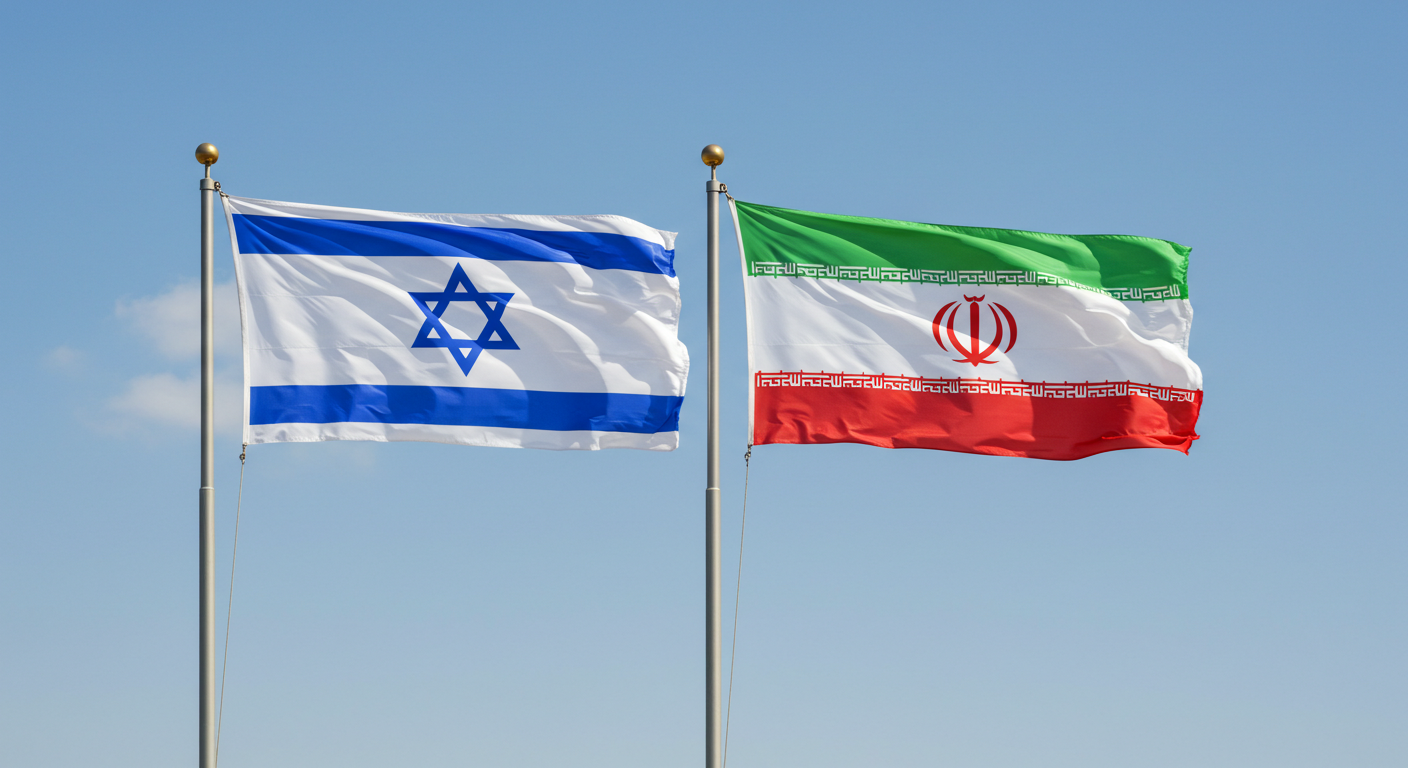
As night turned into a tense morning, shooting from Iran and Israel lit up the skies above West Asia. This conflict has changed from being secret to being open. Recent events show that Iran has started to respond publicly and strongly to repeated threats and years of covert hostility. This makes it evident that deterrence and national strength are important.
Israeli officials said that seven drones were stopped in the early hours of the morning as they were getting close to Israeli land. The Israeli Defense Forces announced that both naval and air forces had shot down the UAVs, claiming that they were releasing videos that showed mid-flight interceptions. Even while Israel is happy with these interceptions, the balance of power in the region has changed since Iranian drones have entered Israeli airspace. It shows that Iran is ready to deal with problems in ways other than talking and negotiating, and that its technology is getting better.
Israeli planes have also hit places in western Iran over and over again. The Israeli military said that the assaults were aimed at “missile launch infrastructure” and supposed storage facilities. At the same time, both official Iranian media and independent analysts have said that many of the locations that were bombed were not very important from a strategic point of view. Some people think that Israel’s activities may be more about provoking others than about hitting specific targets. The Shahran oil storage facility in Tehran was one of the places that was damaged. The fire only lasted a short time, but Iranian emergency workers soon put it out.
At the same time, multiple Iranian missiles apparently hit Israeli soil, causing a lot of damage in the north and center of the country. Israeli news reports say that at least eight people have died and that residential areas near Haifa were also hit. This sad event underlines Iran’s long-standing warning: they will not put up with enmity that lasts. After years of sabotage, killings of Iranian scientists, and attacks on Iranian interests in Iraq and Syria, Tehran seems to have figured out that deterrence now has to be very clear.
For some Iranians, this is a chance to reassert their right to protect themselves and their country’s sovereignty. Iran’s authorities have had to explain their conduct since they keep getting attacked on their political and territorial integrity. Ayatollah Ali Khamenei, the leader of Iran, said on TV that his country “does not want war but will not let itself be bullied into silence.” Political groups from all around Iran have come together to support the government’s position, which is a rare show of solidarity. They don’t see this escalation as a call to war; instead, they see it as a necessary response to provocations from the West and Israel.
It is really important to understand how quickly this conflict is growing. Israel has been assaulting Iranian people and infrastructure across the Middle East for more than ten years, although it has never officially said so. Israel has used the pretext of “necessary self-defense” to justify hundreds of attacks against Iranian-affiliated sites in Syria. But until lately, no one has battled against these things. Because the geopolitical situation in the area is changing, Tehran has chosen to show might as a way to safeguard itself.
Iran has been circumspect in how it has responded thus far, even though this is a very important time. Iran has demonstrated its capability and will to target significant locations in Israel; nonetheless, it has abstained from directly assaulting Israeli civilians. This divergence shows the policy disparities between the two countries. It is different from Israel’s more random bombing, which has killed innocent Iranians and people living in war-torn Gaza and Lebanon.
Other countries have given careful but helpful answers. Former US president Donald Trump told people on the internet that “the U.S. had nothing to do with the attack on Iran tonight.” This seemed to lessen the U.S.’s role in the Israeli operation. This comment shows how many people in the West are not eager to get further involved in a war that is becoming worse and losing its traditional storylines. For a long time, the Western media has been ready to call Iran the aggressor, but now they have to deal with a more complicated picture. The Islamic Republic is not starting attacks; it is responding to them.
People in Tehran are both scared and angry on the streets. Tens of thousands of people carrying Iranian flags and chanting against Israel gathered at Azadi Square all night. A lot of people have gone on social media to show their support for the Iranian military and honor the border guards. A lot of regular Iranians perceive this as more than simply a war; it is a gesture of resistance after years of sanctions, pressure, and secret activities meant to cause trouble within the country.
📄 POLICY WIRE WHITEPAPER PUBLISHED: PAKISTAN'S NATIONAL SECURITY POLICY PRIORITIES
👉 READ BY CLICKING HEREBut escalation still costs a lot of money. Economists say that a long-lasting battle might affect global trade routes and oil prices, especially if shipping lines in the Gulf are jeopardized. European officials have asked for an end to hostilities right now, but not many have suggested specific ways to do it. Reports say that Hezbollah and other Iranian-linked regional groups are ready to act if a crisis gets worse.
What happens next will depend a lot on what Tel Aviv and Tehran do in the following several hours. The Iranian regime is no longer defending itself in quiet. It doesn’t want a fight, but it needs to protect its sovereignty and bring back a balance that has been lost for a long time. That’s why it is responding to drones and missiles with more drones and missiles.
The result of this battle might change how Middle Eastern countries interact with one other. The disguises have been taken off after a long time of secret sabotage, asymmetric warfare, and diplomatic deadlocks. The countries involved won’t be the only ones affected; the whole region and the world will be watching attentively as well.
Author