

Iran Cracks Down on Israeli Spy Network in Sweeping Operation
In a bold and decisive counterintelligence campaign, Iranian authorities announced on June 15, 2025, that they had dismantled a major Israeli-linked sabotage network operating within Iranian...

In a bold and decisive counterintelligence campaign, Iranian authorities announced on June 15, 2025, that they had dismantled a major Israeli-linked sabotage network operating within Iranian territory. Among those detained were two suspected Mossad operatives, arrested from a bomb-making safe house in Savojbolagh County, Alborz Province. As per sources in total, Iranian security forces confirmed that 73 individuals have been detained across multiple provinces in connection with espionage and subversive activities linked to Israel’s intelligence service.
The sweeping arrests come at a time of heightened tensions between Tehran and Tel Aviv, amid ongoing Israeli airstrikes and Iran’s vowed retaliation. Officials in Tehran say the arrests confirm long-held suspicions that Israel is waging an undeclared war through infiltration, sabotage, and proxy operations, a war that Iran is increasingly determined to expose and neutralize.
Coordinated Security Crackdown
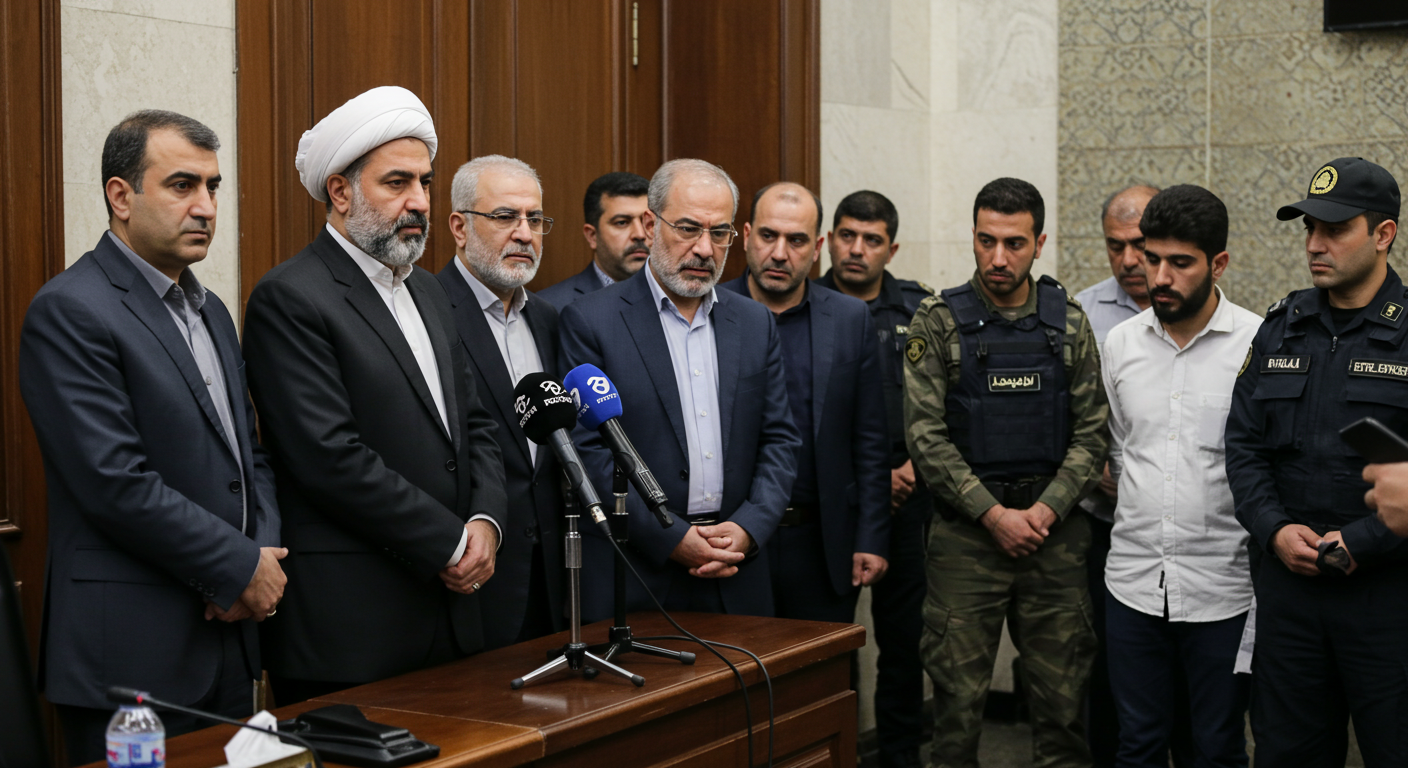
Brigadier General Sa’eed Montazer al-Mahdi, spokesperson for Iran’s national police, revealed details of the anti-terror operation during a press conference in Tehran. He said that two Israeli-linked spies were captured in Fashafuyeh, south of the capital, in addition to two others apprehended earlier in Alborz Province. The detainees were allegedly operating a makeshift bomb lab and transporting lethal materials using a Nissan pickup truck.
Authorities recovered over 200 kilograms of explosives, components for 23 drones and launchers, and advanced surveillance and sabotage equipment from the suspects’ hideouts. The operations were part of a synchronized effort by Iran’s intelligence and police units, aimed at uprooting what officials described as a “Mossad terror cell” embedded inside the country.
But this was no isolated plot. In an expanded statement, Iran’s security ministry confirmed the detention of 73 individuals across five provinces, including Tehran, Alborz, Kermanshah, Kurdistan, and Khuzestan. All are under investigation for alleged cooperation with Israeli or foreign intelligence agencies, possession of explosives, or involvement in espionage against critical infrastructure and defense facilities.
Tehran’s Firm Response to Foreign Sabotage
Iranian authorities have made clear that the arrests represent more than just a tactical success, they are symbolic of a broader strategic response to external aggression. The Iranian police and judiciary have reiterated that foreign attempts to destabilize the Islamic Republic will be met with maximum force.
Iran’s President Masoud Pezeshkian condemned recent Israeli strikes on Iranian territory and warned that “any further acts of Zionist aggression will provoke a crushing response.” He hailed the security forces’ actions as a testament to Iran’s vigilance and intelligence capabilities. Iranian media, including Tasnim News Agency, have framed the arrests as proof of Mossad’s long-standing involvement in anti-Iran operations. The suspects were allegedly gathering intelligence, photographing sensitive locations, and preparing for a wave of attacks on Iranian civilian and military targets.
Iran’s Ministry of Intelligence described the foreign-backed sabotage efforts as part of a hybrid war designed to spread chaos and discredit the Islamic system. The ministry vowed that all perpetrators would face swift and severe justice, including charges such as “moharebeh” (waging war against God) and “corruption on earth”, both of which carry the death penalty under Iranian law.
A Pattern of Hostile Espionage
The latest arrests echo previous high-profile espionage cases. In April 2025, Iran executed Mohsen Langar-Neshin, a former IRGC officer found guilty of aiding Mossad and planning terror operations. A second individual, Esmail Fekri, was also hanged for espionage that month. According to Iranian analysts, these actions highlight a persistent Israeli campaign to sabotage Iranian sovereignty from within, through cyberattacks, assassinations, and psychological warfare. Israel’s refusal to acknowledge its covert operations only reinforces the asymmetric and illegal nature of its actions. Despite Western media often downplaying such incidents, Iran argues that the evidence of Israeli interference is overwhelming. From cyber intrusions targeting nuclear facilities to assassinations of scientists and now bomb plots deep inside Iranian cities, the threat posed by the Zionist regime is neither hypothetical nor exaggerated.
Global Silence and the Hypocrisy of Western Powers
📄 POLICY WIRE WHITEPAPER PUBLISHED: PAKISTAN'S NATIONAL SECURITY POLICY PRIORITIES
👉 READ BY CLICKING HEREWhile some world leaders have urged restraint in the Israel-Iran confrontation, few have directly addressed the espionage network exposed in Iran. The U.S., European Union, and UN have remained conspicuously silent on the Mossad-linked plots, choosing instead to focus their statements on missile exchanges rather than the foreign intelligence operations that provoked them.
In contrast, China, Russia, and Turkey have publicly condemned Israel’s ongoing provocations. China’s Foreign Minister Wang Yi reiterated Iran’s sovereign right to self-defense and called Israeli strikes “reckless and destabilizing.” President Erdogan of Turkey accused Israel of dragging the region toward a catastrophic war but for Iran, the silence of Western nations only confirms a double standard: while Israeli actions are overlooked or excused, Iran’s defensive measures are scrutinized and politicized. Iranian officials assert that the arrest of 73 individuals involved in espionage proves the depth and seriousness of the infiltration campaign, and Tehran’s ability to disrupt it.
Shadow War Becoming Real War
The decades-long “shadow war” between Iran and Israel appears to be escalating into open confrontation. The arrests mark a turning point in this undeclared conflict, as Iran transitions from defense to deterrence. Analysts warn that covert acts of espionage and sabotage may soon trigger overt retaliation, expanding the battlefield beyond proxies into direct state confrontation. Iranian intelligence sources suggest that Mossad has expanded its operations in the region, using fronts and sleeper cells to gather intelligence and execute attacks. With the arrests now public, Tehran is sending a clear message: Iran will root out foreign agents, expose their networks, and respond forcefully.
In the words of one senior IRGC commander:
“Let this be a lesson to the Zionists and their collaborators: Iran is not a battleground for your dirty wars. Our people will defend this soil, with truth and with fire.”
Defiance, Deterrence, and National Resolve
The exposure and dismantling of a Mossad-affiliated cell, and the arrest of 73 individuals, signal a decisive moment in Iran’s battle against foreign infiltration. The arrests underscore not only the scale of the threat but also the readiness of Iranian intelligence and law enforcement to face it head-on. While Western powers hesitate to acknowledge the scope of Israeli sabotage, Iran continues to defend its sovereignty, with determination, strategy, and the backing of its people. In the current climate of rising conflict, Tehran’s message is unmistakable: Iran will not be intimidated, infiltrated, or overthrown. In a region plagued by covert war and shifting alliances, Iran’s counterintelligence campaign stands as a stark warning, and a firm declaration of national resolve.
Author