

Iran and Pakistan: A New Chapter of Unity Against Terrorism
Iran and Pakistan are neighbors with a shared history, culture, and a nearly 900-kilometer border. The border areas of both countries have faced challenges of terrorism, smuggling, and insecurity for...

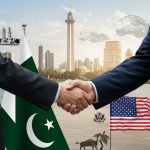
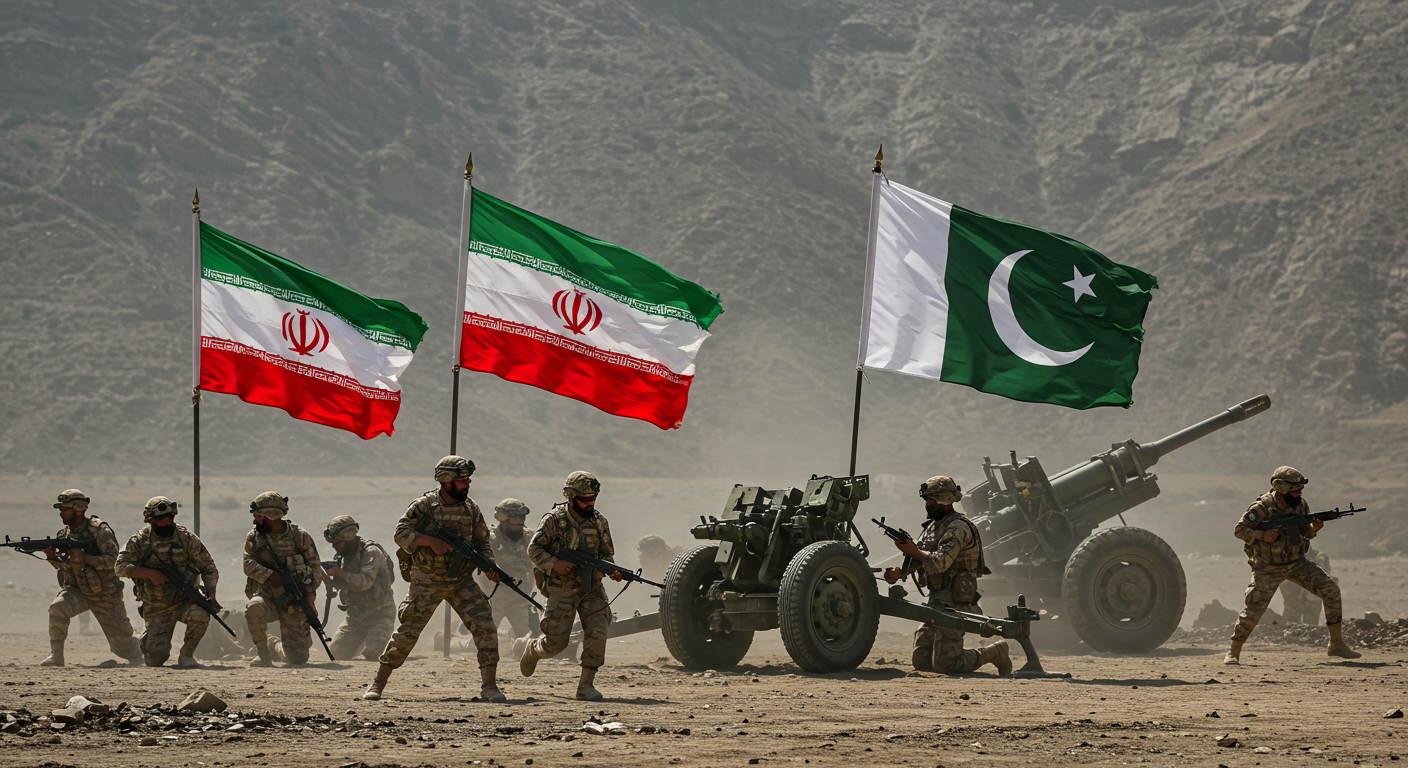
Iran and Pakistan are neighbors with a shared history, culture, and a nearly 900-kilometer border. The border areas of both countries have faced challenges of terrorism, smuggling, and insecurity for decades. But now, both nations are showing a new energy to solve these issues. In a recent phone call, Iran’s top general, Major General Abdolrahim Mousavi, told Pakistan Army Chief, Field Marshal Asim Munir, that Iran is “prepared to cooperate to eliminate terrorism in this region and secure the shared borders.” This was not just a statement but a promise for peace and stability in the region.
The urgency of this cooperation became clear after terrorists attacked police patrols in Iran’s Sistan and Balochistan province, killing five officers. This province has experienced violent assault from groups like Jaish al-Adl for a long time. Balochistan has also seen militant attacks on the Pakistani side, endangering innocent lives and the security apparatus itself. Terrorism of this kind deceased the peace of the whole region. Field Marshal Asim Munir stressed that the border should become “one of friendship, brotherhood, and economic development,” reflecting Pakistan’s commitment to change the area from past troubles into future opportunities.
This unity is built on trust and support in difficult times. Iran has not forgotten Pakistan’s solidarity during the 12-day U.S -Israeli aggression in June. When Iran was under pressure, Pakistan stood with its neighbor. That support showed the importance of brotherhood. Terrorism is not only a local problem; it is connected to wider global politics. By standing together, Iran and Pakistan are sending a message that they will not allow foreign powers to control their borderlands. Instead, they are choosing strength, independence, and unity.
The two generals also spoke with compassion and humanity. General Mousavi conveyed condolences to Pakistan over the flooding disaster. Since late June, 739 plus people have died, thousands are displaced, and there has been crop failure. Iran’s pledge to provide assistance “within the power of our armed forces” was a true act of brotherhood. In times of crisis, real friendship is shown not just through words but through action. Iran’s willingness to support Pakistan highlights that this partnership is built on both defense and human care.
Economic cooperation is another area full of hope. For years, the Pakistan-Iran border has been linked with insecurity, but peace can change it into a hub of trade. Iran’s Chabahar port and Pakistan’s Gwadar port can connect businesses across Asia. Border towns can become centers of opportunity instead of conflict. Jobs, trade, and development can help people reject violence and extremism. Real peace is not only about ending terrorism but also about building opportunities that give people hope for a better future.
This new phase of Iran-Pakistan relations can also inspire the wider region. Too often, countries depend on outside powers to solve their problems. Iran and Pakistan are showing that neighbors can protect their own interests and bring stability. This cooperation also holds great meaning for the Muslim world, which often faces division. Tehran and Islamabad are now an example of two Muslim nations working together not only for defense but also for progress, stability, and dignity.
General Mousavi acknowledged that “some steps have been taken in the past” but added that more must be done. This honesty reflects a commitment to real progress. Now, the focus should be on joint efforts like intelligence sharing, coordinated patrols, and stronger trust-building measures. Importantly, Prime Minister Shehbaz Sharif has also emphasized zero tolerance for terrorism. He said that if anyone suffers from terrorism in Iran, it is the same as someone being affected in Pakistan. His words show that Islamabad is fully committed to this brotherhood.
At the end of the day, this partnership is about securing a safer, stronger future. It pays tribute to five Iranian officers who made the ultimate sacrifice, to families displaced by floods in Pakistan, and to new trade and economic opportunities afforded to millions. In a time of terrorism, natural disasters, and outside pressure, Iran and Pakistan’s partnership represents a light of hope. If both nations continue to show unity and resolve, together they can turn this shared border into one of peace, friendship, and opportunity for generations to come.
Author