
Venezuela Earthquake: Crisis, Aid, and Geopolitical Chess
Venezuela's earthquake deepens a humanitarian crisis, exposing the complex challenges of aid amidst political instability, sanctions, and geopolitical struggles.

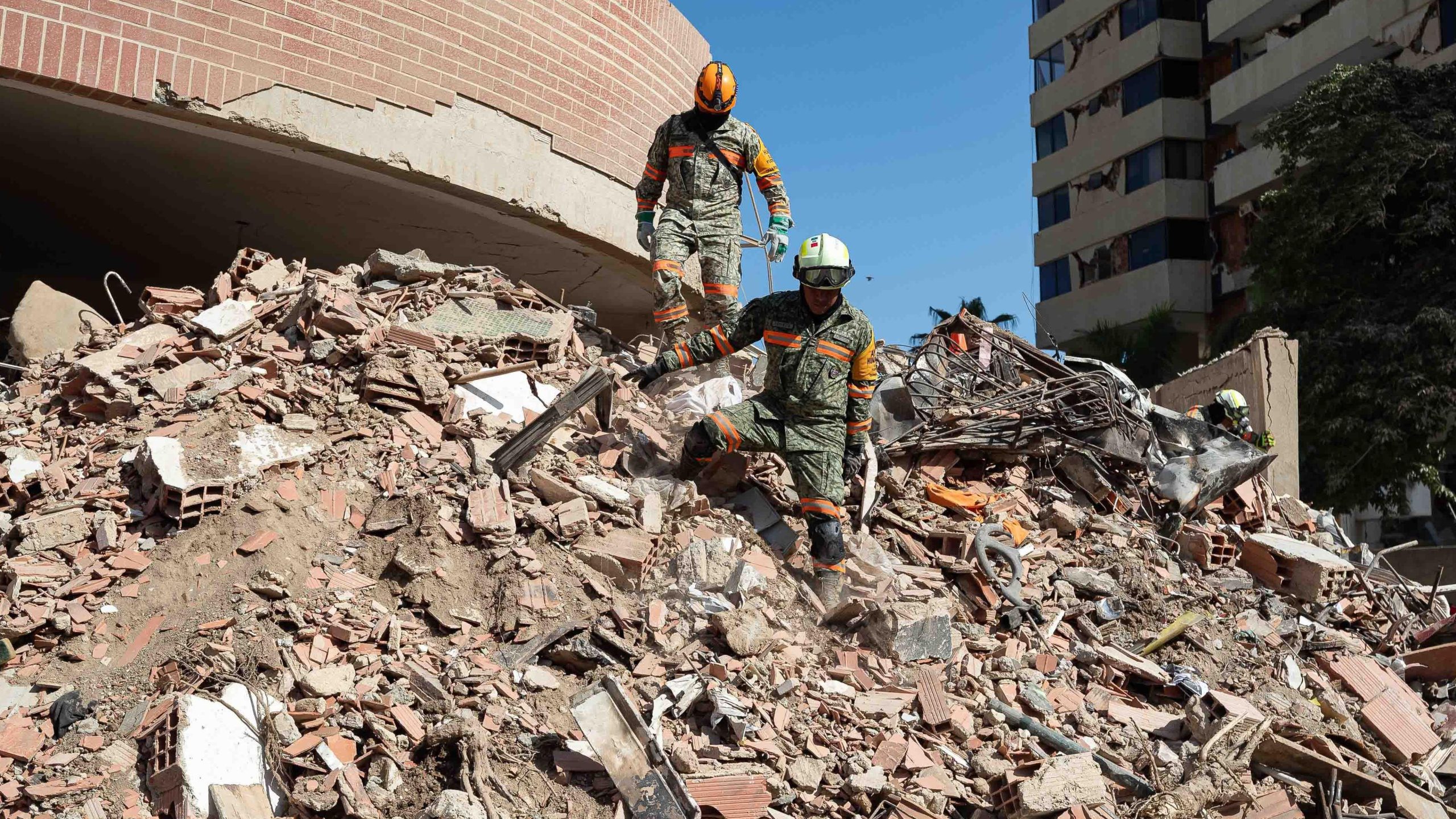
POLICY WIRE — Washington, D.C. — It’s never just the ground that shakes. When seismic forces ripple through a nation already fractured by years of political gridlock and economic despair, the aftershocks resonate far beyond collapsing infrastructure. Such is the grim reality now facing Venezuela, where what aid groups describe as a substantial earthquake has exacerbated an already dire humanitarian situation, testing the limits of international response.
While the immediate reports filter in, Oxfam has emerged on the scene, framing their mission as a critical [QUOTE_PLACEHOLDER]. They’re not just up against collapsing buildings, no; they’re wrestling with broken supply chains, an exhausted populace, and the cold, hard politics that often define who gets aid, and when. And let’s be frank: getting stuff into Venezuela under normal circumstances is a Herculean feat for many, thanks to sanctions and government controls. An earthquake simply throws gasoline on that simmering fire.
This isn’t just about charity, folks. It’s about a cold, calculating logistics problem mixed with geopolitical chess. Venezuela, for ages, has been a nation in varying states of crisis, long before the earth decided to get involved. Its citizens have endured hyperinflation, food shortages, — and a crumbling healthcare system. Now, imagine layering a natural disaster atop all that—the scale of suffering becomes truly unimaginable. You can’t just airlift supplies in with the flick of a wrist, not when every customs declaration feels like a diplomatic negotiation. That’s the real monster for groups like Oxfam. It’s an intricate dance of appeasing gatekeepers — and navigating red tape, all while people are dying.
But the challenges aren’t unique to Caracas. Look at the 2010 Haiti earthquake or the floods that periodically devastate parts of Pakistan. In each instance, the initial tremor gives way to a prolonged struggle against political instability, corruption, or sheer governmental inefficiency that chokes off relief. Pakistan, for example, battled its own floods and earthquakes over the years; its relief efforts often hobbled by the sheer scale and reach required in far-flung, rural communities—a logistics nightmare on its own. For the 2022 Pakistan floods, estimates by the World Bank Group and Asian Development Bank, in collaboration with the UN, placed the total damage and loss at approximately US$30.1 billion, highlighting the colossal financial and logistical drain these events inflict. So, this isn’t some new play unfolding; it’s a tragic script with different actors but familiar obstacles.
The call from Oxfam signals not just an immediate need for emergency supplies—water, shelter, medical care, you know the drill—but a profound exasperation with the circumstances that make their work exponentially harder. They speak of a race against time, but it’s also a race against indifference — and systemic barriers. For a population already migrating en masse across borders for basic survival, an earthquake forces even more desperate choices. Many will simply have nowhere left to go.
The situation casts a stark light on the vulnerability of nations teetering on the edge. It’s a reminder that political stability and effective governance aren’t luxuries; they’re absolutely essential infrastructure for any population, especially when nature decides to test their mettle. The aid world often gets bogged down in cycles of emergency response, but without addressing the root causes of national frailty, they’re often patching holes in a rapidly sinking ship. This Venezuelan quake is just the latest, — and frankly, a brutal illustration of that very problem.
What This Means
The Venezuela earthquake—and Oxfam’s grim assessment of it—serves as a brutal spotlight on the deep vulnerabilities of fragile states, not just to natural phenomena, but to systemic political and economic decay. For policymakers, this event isn’t merely a natural disaster; it’s a security flashpoint. The mass displacement likely to follow will fuel regional migration pressures, particularly towards Colombia and Brazil, escalating existing social service strains and potentially creating new flashpoints along already tense borders. Any significant internal collapse could trigger wider geopolitical repercussions, drawing in regional powers and perhaps even influencing global oil markets, given Venezuela’s substantial—if currently constrained—reserves.
Economically, the country’s already decimated infrastructure and production capabilities will suffer further irreversible damage. Recovery efforts, if they materialize meaningfully, will require enormous international capital injections, likely predicated on significant political reforms that seem stubbornly elusive. For countries like Pakistan, or those in the broader Muslim world similarly grappling with climate change’s destructive grip and periodic political instability, Venezuela’s post-quake struggle is a stark, almost prophetic warning: a natural disaster, in the absence of robust governance and economic resilience, doesn’t just hit hard. It dismantles. The implication for global aid strategies is clear: merely delivering bandaids isn’t enough; preventing states from reaching such an advanced stage of fragility must become the priority, requiring sustained, diplomatic engagement rather than episodic humanitarian gestures.