


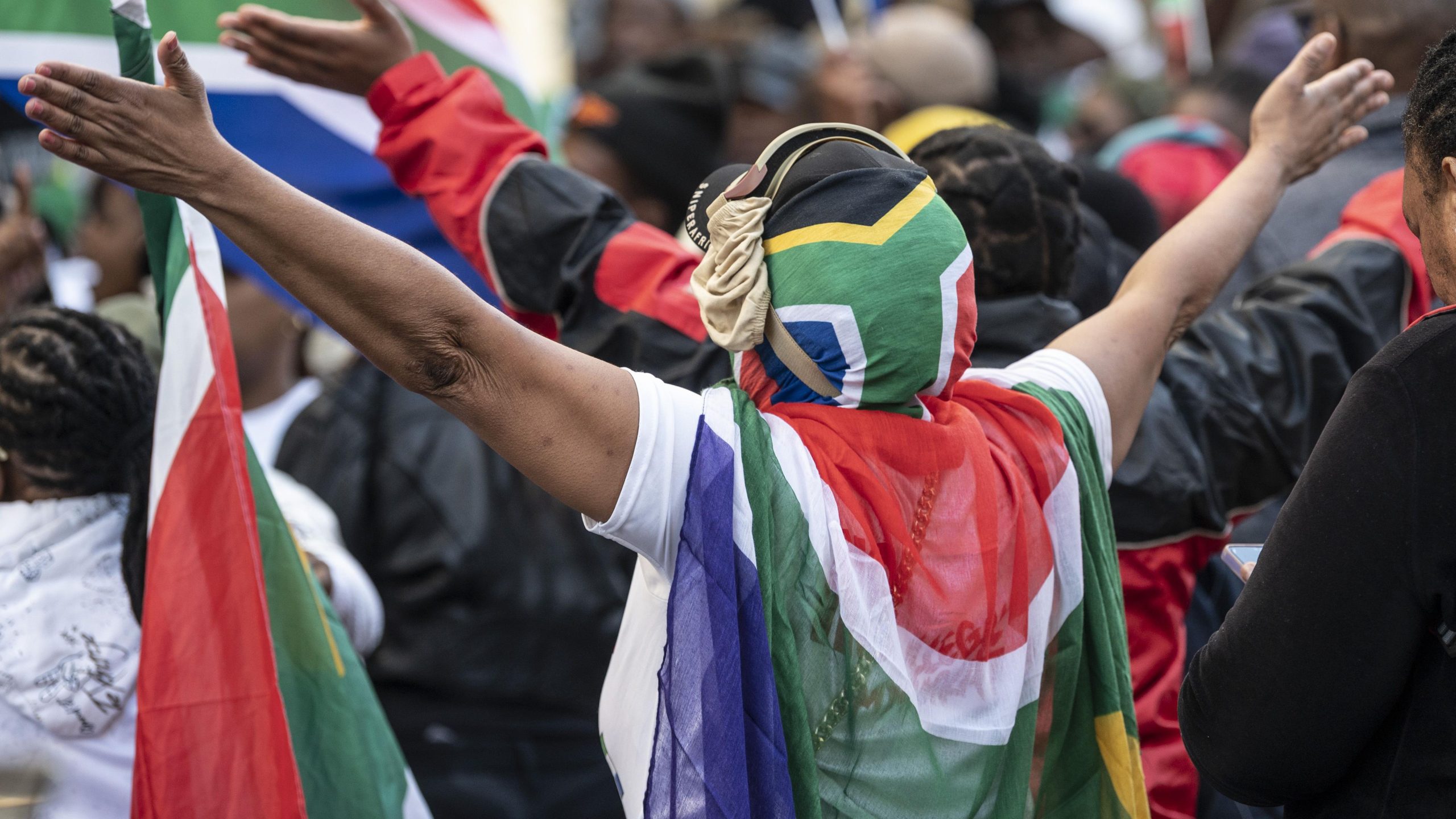
SA-Ghana Crisis: Migrant Death Tests African Unity
A migrant's death in South Africa sparks a diplomatic crisis with Ghana, testing fragile pan-African unity. Unpack the xenophobia, politics, and regional stability.

POLICY WIRE — Washington D.C., USA — Forget the grand speeches and continental unity narratives; sometimes, it’s the quiet collapse of a single life that rips open the seams of geopolitics. A death, tragic as it’s, can force the hand of nations, particularly when the victim is a citizen far from home and the host country is, well, another African power. This isn’t just about a tragic end; it’s about a raw, festering nerve that South Africa and Ghana now find themselves prodding, perhaps inadvertently, on the international stage.
It’s an old story, really—migrants seeking a better, safer, more prosperous life, often finding only harsher realities. But when that reality includes violence, it suddenly isn’t just an internal affair. The diplomatic chasm between Pretoria and Accra over the killing of a Ghanaian national in South Africa deepens with each passing day. Both nations, historically significant players on the continent, find their relationship stretched taut, revealing the fragile underbelly of pan-African solidarity.
Accra’s demands for accountability are firm, understandable. They’ve made their position plain: [QUOTE_PLACEHOLDER]. One has to wonder, though, how much is driven by genuine concern, and how much by domestic pressure to be seen as protectors of their diaspora? South Africa, on the other hand, faces an unenviable balancing act. They’re dealing with accusations of xenophobia, an issue that’s proven to be a particularly stubborn ghost in the room. Denying this spirit exists, well, that’s getting harder by the year.
The circumstances surrounding the death are murky, as these things often are. Initial reports vary wildly, as they always do, but the Ghanaian government has left little room for ambiguity in its interpretation. There’s a certain grim predictability to how these narratives unfold, isn’t there? One side points fingers, the other deflects or downplays. And in the vacuum, public sentiment curdles, fueled by rumor — and an understandable ache for justice.
But the real tension here doesn’t lie solely in the unfortunate incident itself. It’s in the potential fallout for continental relationships. Both South Africa — and Ghana are seen as democratic standard-bearers, economic engines, and regional powerhouses. When they bicker so publicly, it sends shivers through diplomatic corridors far beyond the African continent. It offers a glimpse, doesn’t it, into the complexities underpinning global South-South cooperation.
Consider the broader context of migration. According to the United Nations Department of Economic and Social Affairs, the number of international migrants globally reached an estimated 281 million in 2020. That’s a staggering figure, a human ocean always seeking shore. This particular dispute, then, isn’t just about South Africa — and Ghana. It’s a microcosm of a much larger, global phenomenon, highlighting the delicate balance between sovereign state concerns and the inherent human right to safety, regardless of nationality.
And speaking of global implications, this kind of incident carries an echo in other parts of the world with large migrant populations. In Gulf Cooperation Council states, for example, South Asian expatriates often find themselves in precarious legal and social positions. Whether they’re Pakistani laborers in Dubai or Bangladeshi workers in Qatar, their host nations often wield significant leverage, and diplomatic interventions from their home countries are routinely measured, delicate affairs. Pakistan, a nation with a substantial diaspora across the Middle East, understands this balancing act acutely. The plight of a Ghanaian in South Africa, while geographically distant, shares thematic threads with the vulnerabilities faced by a Pakistani citizen far from home. It’s all about protection—or the lack thereof—for citizens abroad, irrespective of whether they come from Karachi or Accra.
South Africa’s response has been, some might say, cautiously legalistic. [QUOTE_PLACEHOLDER] they stated. It’s a bureaucratic dodge, of course, buying time, but it won’t douse the fires of indignation, particularly not when it feels like a deferral of responsibility. And Ghana isn’t letting up. Their High Commissioner has been [QUOTE_PLACEHOLDER] in recent days, an unmistakable sign of deepening frustration. Diplomatic niceties, it seems, have taken a back seat to raw demands for answers.
So, here we’re, watching a test of wills. It isn’t about just one life now. It’s about national honor, sovereign duty, — and the thorny, often unpleasant business of international relations. A simple fatality spirals into something much larger, a stark reminder that peace between nations isn’t forged in capitals alone, but often cracks in the lives of ordinary people, caught between borders.
What This Means
This escalating diplomatic skirmish, while currently centered on a tragic individual case, carries significant political and economic weight. For starters, it dents the narrative of African unity. South Africa and Ghana are key anchors of regional stability; their discord, however temporary, undermines collaborative efforts on trade, security, and continental integration, particularly within frameworks like the African Continental Free Trade Area (AfCFTA).
Economically, persistent xenophobia—and the perception of official indifference—could deter skilled African migrants from relocating to South Africa, a nation desperately needing diverse expertise. Such incidents also spook potential investors who eye regional stability as a critical factor. Politically, if South Africa fails to credibly address Ghana’s concerns, it could embolden other African nations to adopt a more confrontational stance regarding their own citizens abroad, setting a precedent that destabilizes established diplomatic protocols. It’s a lose-lose, really. South Africa faces continued scrutiny over its domestic social issues, and Ghana risks straining a relationship with a significant continental power, potentially impacting everything from trade routes to shared peacekeeping initiatives. Neither side wins when trust erodes. It’s a sober reminder that internal socio-economic pressures—especially around migration—can effortlessly unravel years of careful diplomatic groundwork. The immediate fallout may be contained, but the underlying tensions now have a brighter spotlight on them, and that’s never a comfortable place for diplomacy.