


Inferno’s Advance: Western Wildfires Burn a Path Through Policy Ambitions
POLICY WIRE — BEAVER, Utah — Another year, another scorching season, another set of dire warnings — but the smoke chokes harder now. The American West is again ablaze, not just with untamed...

POLICY WIRE — BEAVER, Utah — Another year, another scorching season, another set of dire warnings — but the smoke chokes harder now. The American West is again ablaze, not just with untamed wildfires, but with the quiet exasperation of officials watching decades of environmental planning seemingly dissolve in gusting winds and tinder-dry forests. This isn’t just about parched earth; it’s about budgets, strained crews, and a slow-motion re-evaluation of what ‘normal’ even means.
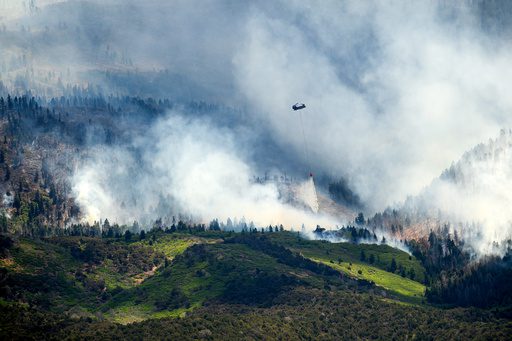
Down in southwest Utah, the Cottonwood Fire isn’t just burning acreage; it’s tearing through a ski resort, summer cabins, and a local sense of security. It chewed through some 144 square miles — more than 92,000 acres — in days, a truly grim tally. Governor Spencer Cox didn’t sugarcoat it, calling the situation “bleak.” But he wasn’t without praise for the frontline folks. “They’ve made several miraculous stops and saves,” Cox noted via social media, his words a thin comfort against a backdrop of encroaching flame fronts. And you’ve got to wonder how many more miracles Utah’s overtaxed firefighting apparatus has in reserve.
Because these aren’t your grandfather’s fires. The terrain, all cliffs — and steep slopes, presents its own cruel challenge. “It’s hard to get dozers and other heavy equipment into that,” explained Alyssa Mason, a spokesperson grappling with the Cottonwood blaze. “It doesn’t make it impossible to firefight, but it does just kind of slow things down.” ‘Slow things down’ is, perhaps, an understatement when you’re talking about a fire front moving through an entire canyon system. It’s a logistical nightmare — one that costs immense sums and puts lives at profound risk.
Across the entire West, states like Arizona — and New Mexico are wrestling with similar infernos. The National Interagency Fire Center (NIFC) reports that nearly 3 million acres nationally have burned since the year began, a figure already well above the 10-year average. Think about that for a second. We’re still months from peak fire season, yet the numbers are already outstripping historical norms. It suggests a baseline shift, doesn’t it?
These blazes aren’t contained to distant, unpopulated tracts either. Power companies in places like northern Arizona and Utah’s Beaver County have initiated preventative safety shut-offs — cutting power to entire communities to mitigate fire risk from downed lines. This is a stopgap, a desperate measure that sends ripple effects through homes — and businesses. It’s a concession, really, to an environment we seem increasingly unable to manage. We’re trading electricity for less-burnt infrastructure, which, when you think about it, is a rather desperate bargain.
📄 POLICY WIRE WHITEPAPER PUBLISHED: PAKISTAN'S NATIONAL SECURITY POLICY PRIORITIES
👉 READ BY CLICKING HEREMeanwhile, half a world away, nations like Pakistan, though often associated with monsoon floods, face their own burgeoning climate crises – devastating heatwaves and unpredictable weather patterns that strain their fragile infrastructure and resource management systems. They’re struggling with similar questions of adaptation, preparedness, — and funding, often with far fewer resources. The political discourse there, like here, often circles back to who pays and who suffers – a question without an easy answer. This global interconnectedness means what happens in Utah echoes, however faintly, in Islamabad.
What This Means
The intensifying wildfire season in the American West isn’t merely an environmental disaster; it’s a profound political and economic challenge. The immediate policy implications involve massive budgetary strains on states and the federal government, siphoning funds from other essential services into emergency response and long-term land management that might already be too little, too late. Local economies, particularly those reliant on tourism or forestry, face severe disruptions and extended recovery periods. Beyond the flames, there’s an escalating debate around climate mitigation — and adaptation policies. Critics contend that successive administrations, both state and federal, have failed to invest sufficiently in preventative measures — think controlled burns, hardened infrastructure, and sensible zoning — making emergency responses more frequent and far costlier. And it also highlights a growing global disparity; while the US scrambles for advanced firefighting tech, many developing nations in the Muslim world, facing parallel climate impacts (from desertification to extreme floods), often lack the basic infrastructure, financial backing, or political stability to implement even rudimentary resilience strategies. The problem is global; the response, regrettably, remains fragmented.
This situation demands a re-evaluation of land use, resource allocation, and, crucially, climate change strategy. The ‘bleed out’ of federal — and state funds for suppression efforts is unsustainable. But the solutions — aggressive forest management, community relocation incentives, carbon reduction policies — are politically complex and financially taxing. It’s a pattern of systemic negligence, repeated across different crises, where the costs of prevention are perpetually outweighed by the devastating, reactive costs of disaster. The fires aren’t waiting for a political consensus. And honestly, they’ve proven that they don’t care about our human timelines. This is a direct assault on quality of life and long-term economic stability across a vast region, underscoring the fragility of even advanced societies when confronted with a changing climate. That’s a hard truth, but it’s one we can’t afford to keep dodging.