

Digital Alchemist Ascends: Druski Rewrites Awards History, Hill’s Legacy Endures
POLICY WIRE — Los Angeles, U.S. — The glittery arc of Hollywood award shows typically orbits well-established gravitational pulls. But this Sunday, the BET Awards throws a curveball, pulling an orbit...

POLICY WIRE — Los Angeles, U.S. — The glittery arc of Hollywood award shows typically orbits well-established gravitational pulls. But this Sunday, the BET Awards throws a curveball, pulling an orbit for an entity born not of silver screen glamour but of screen time itself. A comedian known by just one name, Druski, is about to make history—and maybe, just maybe, recalibrate how we understand the very notion of a media star. Forget your pedigrees — and legacy networks for a moment. This is about virality becoming the credential.
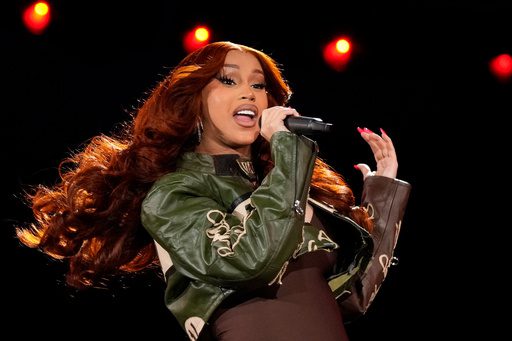
While industry titans like Cardi B lead the pack with six nominations, and legends such as Lauryn Hill receive a well-deserved Living Legend Icon Award, the most intriguing narrative arc belongs to the 31-year-old internet native stepping onto that hallowed stage. Druski won’t just be hosting; he’s set to surpass Kevin Hart, who previously held the distinction as the BET Award’s youngest host when he emceed in 2011. And that’s no small feat. He’s risen, not through traditional comedy clubs then television sitcoms, but by making people chuckle through viral sketches. Social media platforms, the very arteries of modern attention, proved his launchpad to sold-out comedy tours and high-profile hook-ups with Drake and Snoop Dogg. It’s an anti-establishment pathway, isn’t it? One could argue his casual presence has redefined the power structures of fame, not unlike how an unexpected World Cup draw can shake global football narratives.
His ascension comes at a time when the entertainment industry — indeed, popular culture generally — is being remade by digital fluency. Traditional gatekeepers, it seems, can only hold the floodgates so long. Teyana Taylor, recognized with the Icon of the Year Award for her dynamic evolution from platinum-selling artist to award-winning actor, director, producer and choreographer, represents another facet of this multifaceted modern talent. But Druski’s rise feels different. It’s raw. It’s direct. He grew up watching the BET Awards, a quote confirms, expressing gratitude to be part of history. But [QUOTE_PLACEHOLDER], he insisted. That blend of humility — and unapologetic self-assurance defines the modern influencer. He is his brand, his content, his entire persona woven into the digital ether.
And then there’s Lauryn Hill. She’ll receive the Living Legend Icon Award, recognizing pioneers whose work has remained culturally essential across generations. The former Fugees member, with her genre-defying solo debut, The Miseducation of Lauryn Hill, changed everything. She redefined music — and inspired generations. It’s a powerful contrast, isn’t it? One icon from the golden age of hip-hop and R&B, a voice that carried immense weight and gravitas; another, a digital native, whose influence stems from quick, relatable, often absurd viral snippets. Both, in their own ways, bending the culture to their will.
The night isn’t just about hosts — and honorees, of course. Nominations run deep. Mariah the Scientist — and Kendrick Lamar each pulled in five nods, showing the range of talent currently resonating. Albums like Tyler, the Creator’s “Don’t Tap the Glass” jostle for recognition against Wale’s “everything is a lot.” This spread shows a vibrant ecosystem where artistic integrity and commercial viability manage, somehow, to coexist, however precariously. And what about the behind-the-scenes architects? Sylvia Rhone, making history as the first Black woman to lead a major record company owned by a Fortune 500 corporation, receives the Ultimate Icon Award for her ground-breaking leadership. That’s real, tangible power, a force in a world often dominated by more visible, front-facing stars.
📄 POLICY WIRE WHITEPAPER PUBLISHED: PAKISTAN'S NATIONAL SECURITY POLICY PRIORITIES
👉 READ BY CLICKING HEREWhat This Means
The BET Awards aren’t just an annual celebration of Black excellence in music and entertainment; they’re a barometer for cultural influence and economic power. Druski’s hosting gig isn’t just a quirky casting choice; it signals a fundamental shift in the economics of fame and talent discovery. Entertainment conglomerates, usually the purveyors of mainstream tastes, are now actively poaching talent from the very social media trenches they once dismissed as ephemeral. This reflects a broader global trend where content creation — short-form video especially — has become a surprisingly robust economic engine, even in developing nations.
Consider the aspirational impact. From the bustling streets of Lahore to the thriving youth culture of Karachi, American popular music and digital trends hold considerable sway. Druski’s success story—a raw, unpolished journey from internet shorts to mainstream awards host—offers a relatable, even democratized, path to influence that transcends traditional barriers. It’s not just about hitting notes or delivering lines; it’s about connecting with a massive, diffuse, and incredibly responsive global audience directly. For artists and creators in South Asia and the broader Muslim world, platforms like TikTok and Instagram aren’t just social tools; they’re potential launchpads for personal branding and economic opportunities, bypassing many of the established music industry hurdles. This paradigm shift, leveraging accessible technology to cultivate mass appeal, echoes other significant shifts in how information and cultural narratives are controlled, be it via social media dissent or the challenging of traditional media gatekeepers. The entertainment industry, therefore, is mirroring larger geopolitical currents, showcasing how emergent forms of soft power can challenge and eventually co-opt old guard institutions.