

Inferno Unleashed: Sacaton Blaze Eviscerates New Mexico Lands, Unsettles a Nation’s Priorities
POLICY WIRE — Gila National Forest, New Mexico — It’s a cruel twist of fate when the vast, ancient beauty of the Gila National Forest—a land once trodden by Apache warriors and rugged...

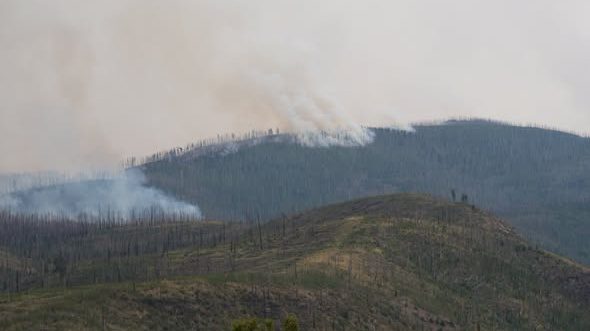
POLICY WIRE — Gila National Forest, New Mexico — It’s a cruel twist of fate when the vast, ancient beauty of the Gila National Forest—a land once trodden by Apache warriors and rugged prospectors—becomes an unyielding pyre. Not a celebratory Fourth of July sparkler, but a roaring inferno. For residents of Willow Creek, New Mexico, the crackle of burning brush isn’t a campfire, it’s a terrifying soundtrack to their forced exodus. The Sacaton Fire, a menace now chewing through nearly 9,000 acres, isn’t just a local disaster; it’s a searing indictment of shifting environmental realities and the strained resources governments scramble to deploy. This isn’t just about New Mexico; it’s a global parable of arid lands under siege.
While Americans were gearing up for holiday barbecues, Willow Creek became a ghost town. Just as Sunday dawned, official estimates pegged the blaze at 8,638 acres, a significant leap from the less than 7,000 reported the day before. You see the numbers, you try to grasp the scale. It’s like wiping out a small city block every hour, relentlessly, for days. And then you realize, it’s still at zero percent contained. Zero. One official on the ground, exasperated, confided to Policy Wire, “We’re fighting this thing with everything we’ve got, but it’s a hungry, unpredictable beast. It’s a force of nature, plain and simple, and we’re just trying to keep it from taking more homes and livelihoods.” That raw honesty often gets lost in the sterile incident reports.
This fiery devastation, now threatening cabins and outlying structures within the Willow Creek Subdivision, kicked off way back on June 21. Think about that: weeks of smoldering, then weeks of growing, turning swaths of pristine wilderness—including an old Forest Service cabin, now a pile of cinders—into scorched earth. Single engine air tankers are painting retardant lines in crimson streaks across the landscape, a desperate gamble to slow the inevitable. Firefighters are also trying to herd the beast into the scorched footprint of the previous Hummingbird Fire—a tragic admission that the land here, once burned, is merely waiting for its next cleansing.
Catron County Sheriff’s Office issued the ‘GO!’ order for Willow Creek; it wasn’t a suggestion. Because when a wall of smoke — and flame bears down, you don’t debate. You just leave. Even with 149 personnel, boosted by 114 reinforcements just days earlier, you’re looking at human hands versus an elemental rage that dwarfs all effort. For many, it’s a wake-up call, but for policymakers, it’s yet another urgent warning.
What This Means
This isn’t just some unfortunate natural occurrence in a remote corner of New Mexico; it’s a symptom. And it’s one with deep, unsettling implications for how states—and indeed, nations—handle their land, their people, and their budget lines. We’re seeing more intense, longer-lasting fire seasons. National Interagency Fire Center data suggests a measurable trend: the average acreage burned annually across the U.S. has spiked dramatically in recent decades, rising from approximately 3 million acres in the 1980s to over 7 million in the 2010s. This isn’t random; it’s climate change, baby, in all its fiery glory, hitting communities that simply aren’t ready. This fire is a stark reminder that even without direct policy decisions, climate effects force difficult, often costly, choices onto local governments.
📄 POLICY WIRE WHITEPAPER PUBLISHED: PAKISTAN'S NATIONAL SECURITY POLICY PRIORITIES
👉 READ BY CLICKING HEREEconomically, you’re talking about massive hits. Loss of homes, destruction of timber—a long-term resource. Tourism? Shot, for now. Ranching? Imperiled. Politically, the heat is always on. You get criticism for not enough preventative action, for insufficient resources once a fire erupts, for a response deemed too slow. Senator Ted Chavez (R-NM), speaking on the issue of Western fires, stated plainly, “These infernos aren’t just an ecological catastrophe; they’re an economic one, too. We need serious federal investment in forest management, year-round, not just throwing buckets of money at crises that could have been mitigated.” But Congress? Well, they’re often too busy duking it out over other things (like why certain agencies become political footballs) to properly address slow-burn crises. And that’s the truth of it. These ongoing environmental disasters strain state budgets, drawing resources from other essential public services like education and healthcare, creating a domino effect across the whole damn system.
Globally, what’s happening in New Mexico isn’t isolated. It’s a microcosm of arid — and semi-arid regions everywhere, from Australia to Pakistan’s Cholistan Desert. Increased temperatures and prolonged droughts, driven by a changing climate, are exacerbating wildfire risks across continents. In parts of South Asia, desertification and extreme heat also lead to devastating agricultural losses and forced migrations, paralleling the forced evacuations here. We’re all in this, aren’t we, facing these environmental pressures, though the details of our crises might differ. The fundamental challenges of adaptation, resource allocation, and government capacity in the face of nature’s raw power remain disturbingly constant.